Iran’s rial hits new low as dollar nears 1.92 million
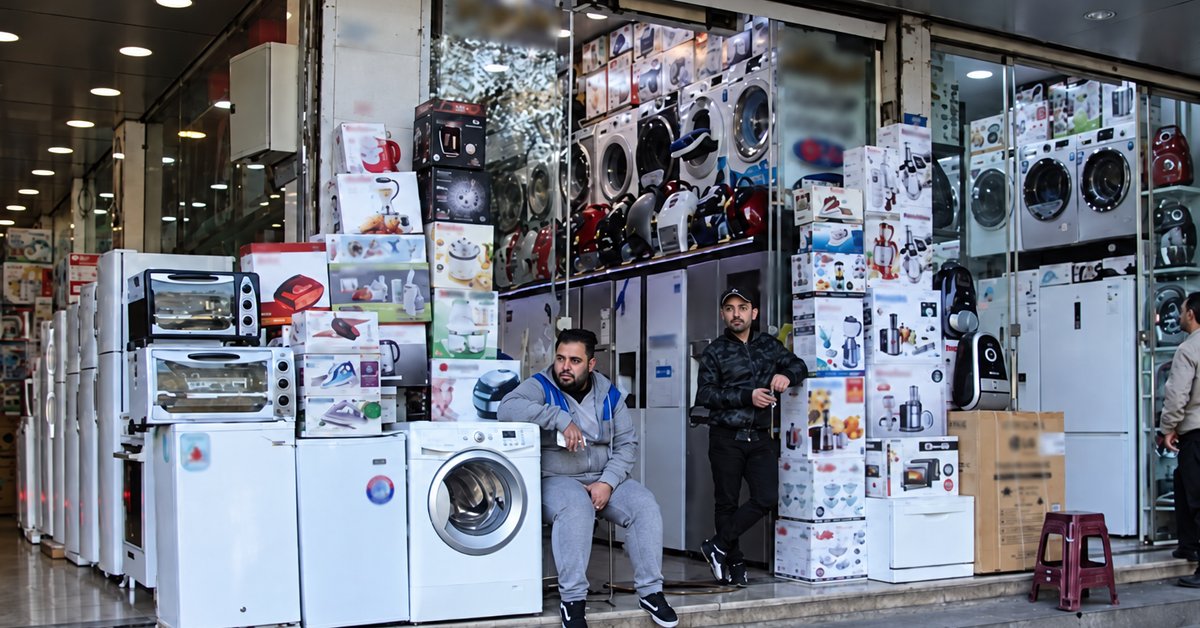
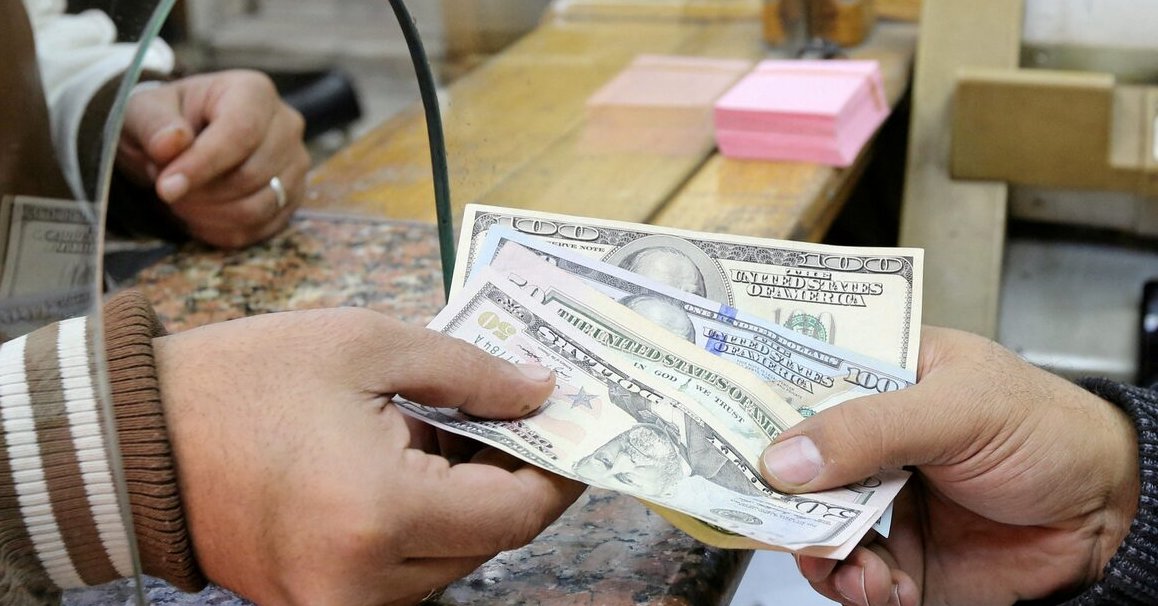
The US dollar reached a record 1,918,000 rials on Iran’s open market Friday, surpassing its previous high as war, inflation and worsening economic prospects continued to weaken the currency.
Britain formally designated Iran’s Islamic Revolutionary Guard Corps as a threat to national security on Friday, making public support for the organization or assistance to it punishable by up to 14 years in prison.
Australia declined to provide a timeline for resolving delayed skilled visa applications from Iranian nationals and did not directly answer whether Iranian applicants face additional security or identity checks compared with other nationalities.
Britain's decision to create a new legal framework targeting Iran's Revolutionary Guards was driven less by political pressure than by the scale of alleged Iranian activity on British soil, according to Jonathan Hall, the UK government's independent reviewer of terrorism laws.
Britain said on Monday it would designate Iran's Islamic Revolutionary Guard Corps and two other groups under new state threats legislation, making it a criminal offense to support or assist them if the measure is approved by parliament later this week.
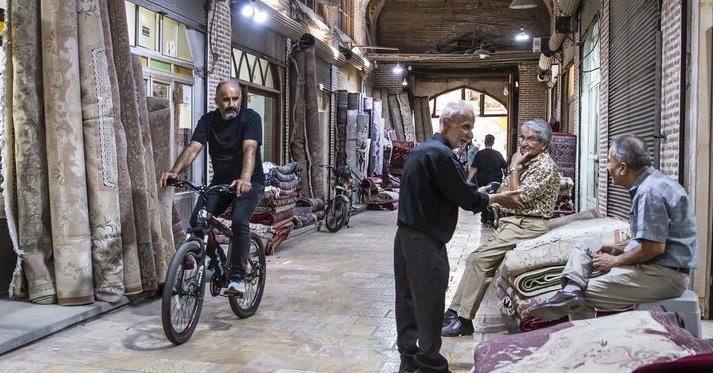
War has erased Iran’s already weak growth prospects. The economy shrinks as prices rise at one of the region’s fastest rates, forcing households to bear war, sanctions and years of economic mismanagement through fewer jobs, weaker incomes and collapsing purchasing power.
Britain has enacted legislation creating powers that could allow the government to designate Iran's Islamic Revolutionary Guards Corps under a new legal framework targeting organizations linked to hostile foreign state activity as of July 2026.
The European Association of Nuclear Medicine (EANM) has barred Iranian citizens from attending its congresses, regardless of where they live, citing European Union sanctions, according to a letter obtained by Iran International.
For just over two weeks, Iran had something it had not held in decades: a US authorization opening the way for the sale of its oil. On Tuesday, after tanker attacks near the Strait of Hormuz, Washington took it back.
The latest Statistical Review of World Energy published by the Energy Institute paints a troubling picture of Iran’s energy sector: a country with some of the world’s largest oil and gas reserves is increasingly struggling to meet its own energy needs.
Iran was among the main foreign powers carrying out intelligence activities against Germany in 2025, targeting opposition groups, pro-Israeli and pro-Jewish targets and the Iranian diaspora, Germany’s domestic intelligence agency said in a security report published Tuesday.
A banking disruption lasting more than two weeks has left many Iranians unable to access their accounts, make purchases or transfer money, adding to financial pressures after the recent war and ceasefire.
Global oil prices have fallen back to around where they stood before the Iran war. But the decline reflects not a recovery in supply but a combination of emergency measures including strategic reserve releases, alternative export routes and, above all, weakening global demand.
Iranian daily Shargh says Iran’s banking system is trapped in a familiar cycle: cyberattack, service collapse, public confusion, brief official statements and a gradual return to normal without any clear report on what failed or who was responsible.
The new US-Iran memorandum of understanding marks a fundamental shift in Washington's approach to Tehran, replacing years of "maximum pressure" with an effort to use economic incentives to secure nuclear concessions, experts told Iran International.
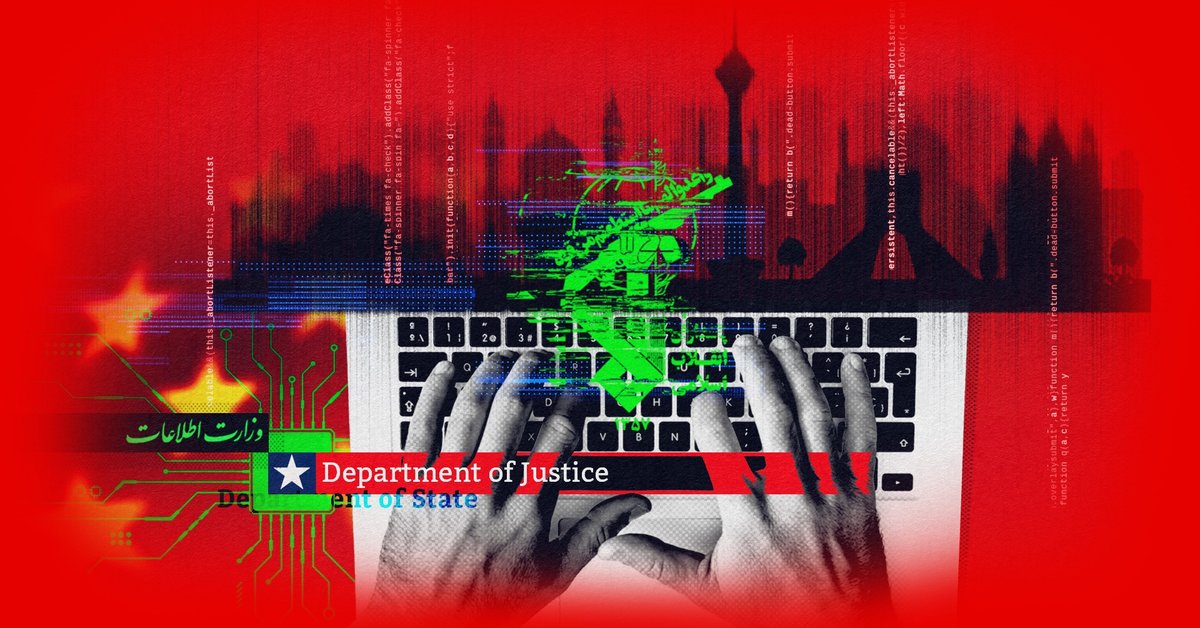
Montenegrin police and the FBI have arrested an Iranian national wanted by the United States over a major hacking campaign that allegedly targeted US universities and benefited Iran’s Revolutionary Guards, Reuters reported.
Economists and business analysts in Iran say the country's biggest challenges may come after any agreement with the United States, arguing that structural reforms will be as crucial as sanctions relief to achieving a durable economic recovery.
Iran’s negotiators have opened a renewable 60-day clock. Its factories may not have that long. The Chamber of Commerce’s own PMI survey shows warehouses emptying, orders drying up and production lines at risk of stoppage within months.
Iranian entities moved more than $3. 84 billion in cryptocurrency through the Seychelles-based exchange CoinEx over the past six years, helping connect Iran's crypto ecosystem to global markets despite US sanctions, The Wall Street Journal reported on Wednesday.
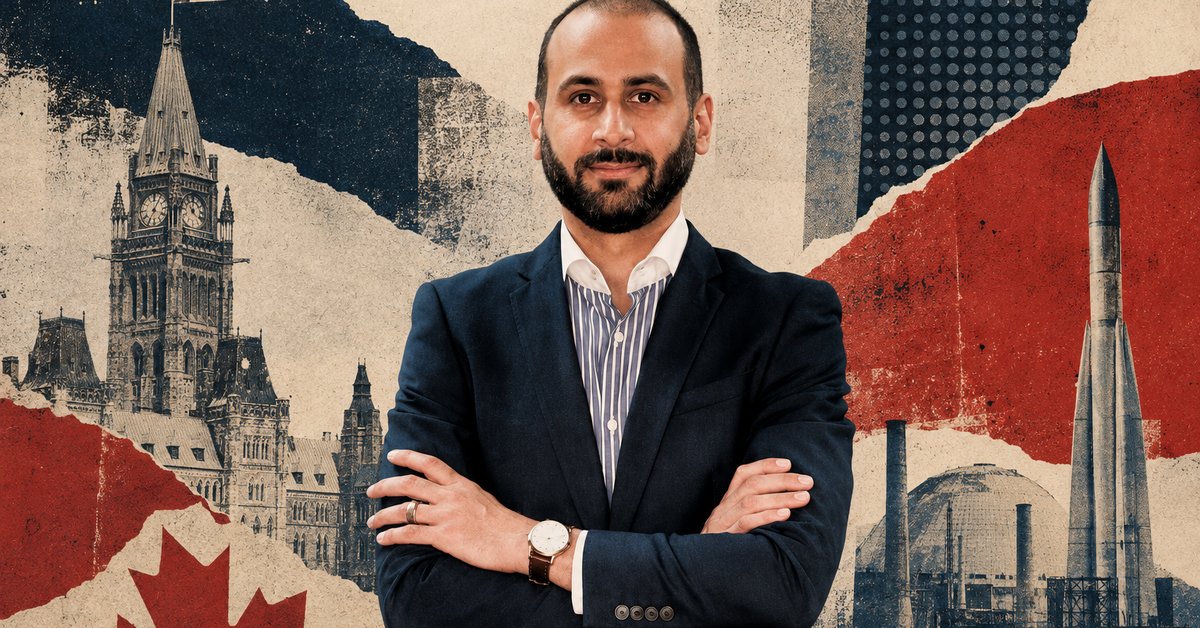
Canadian security agencies flagged an Iranian doctoral student at Carleton University as a threat to national security, saying his aerospace research could help advance Iran’s weapons programs, Global News reported on Wednesday.