Iran Supreme Court upholds protester's death sentence
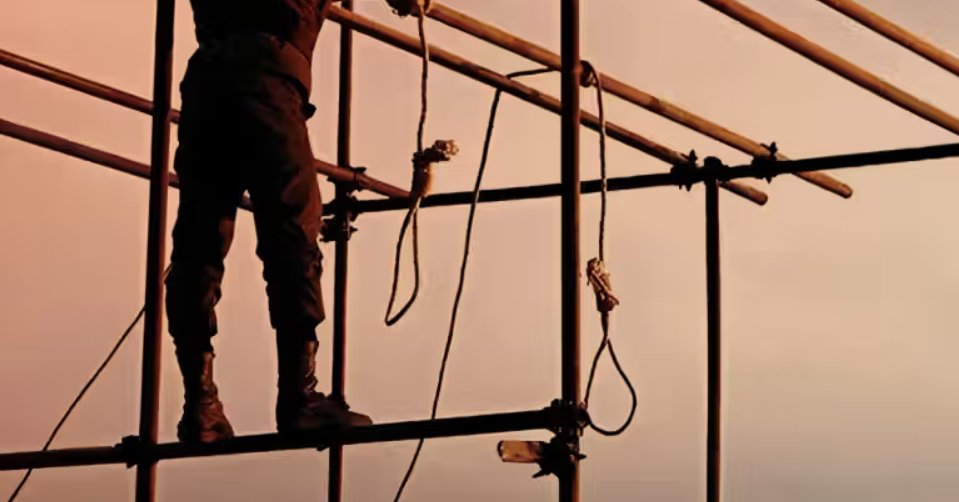
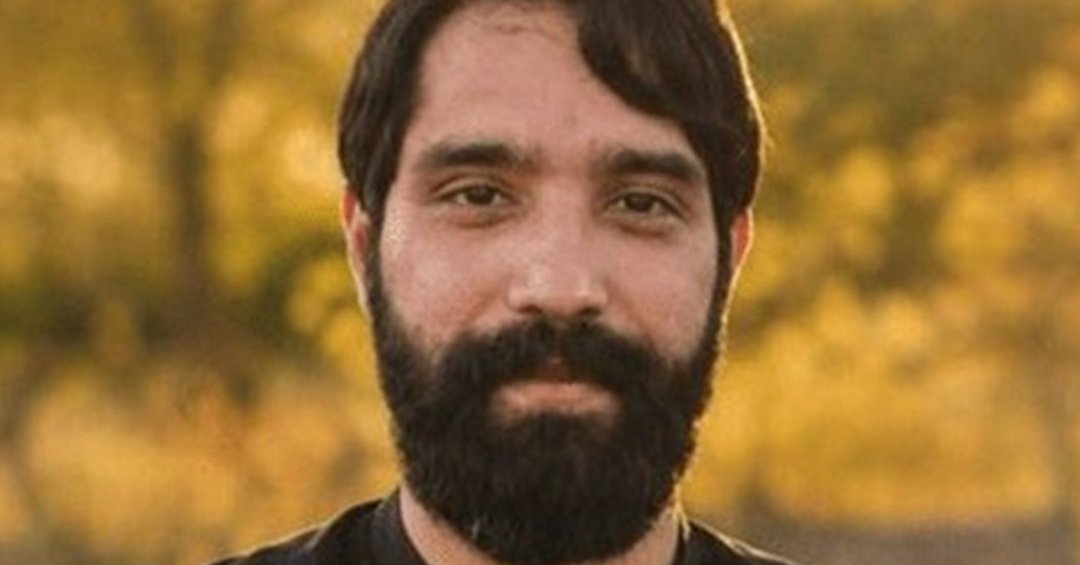
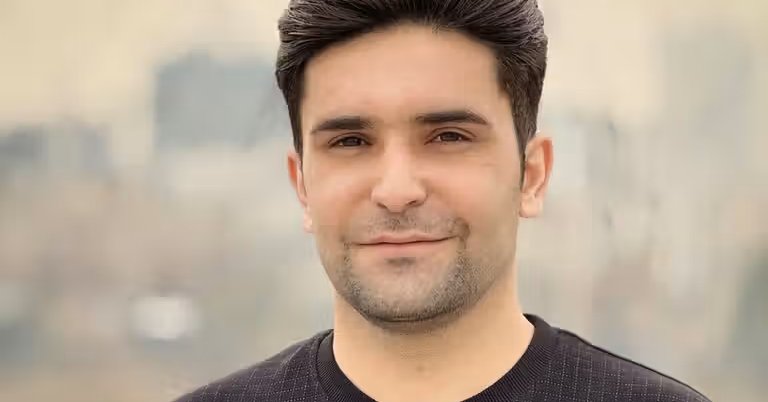
Iran’s Supreme Court has upheld the death sentence of 28-year-old protester Rasoul Rezaei, who was arrested during nationwide protests in January, US-based rights group HRANA reported on Sunday.
Iran’s Supreme Court has upheld the death sentence of 28-year-old protester Rasoul Rezaei, who was arrested during nationwide protests in January, US-based rights group HRANA reported on Sunday.
Iranians are struggling to afford medicines and medical care, with some foregoing treatment as prices rise, drug shortages spread and insurance coverage falls short, according to accounts from patients.
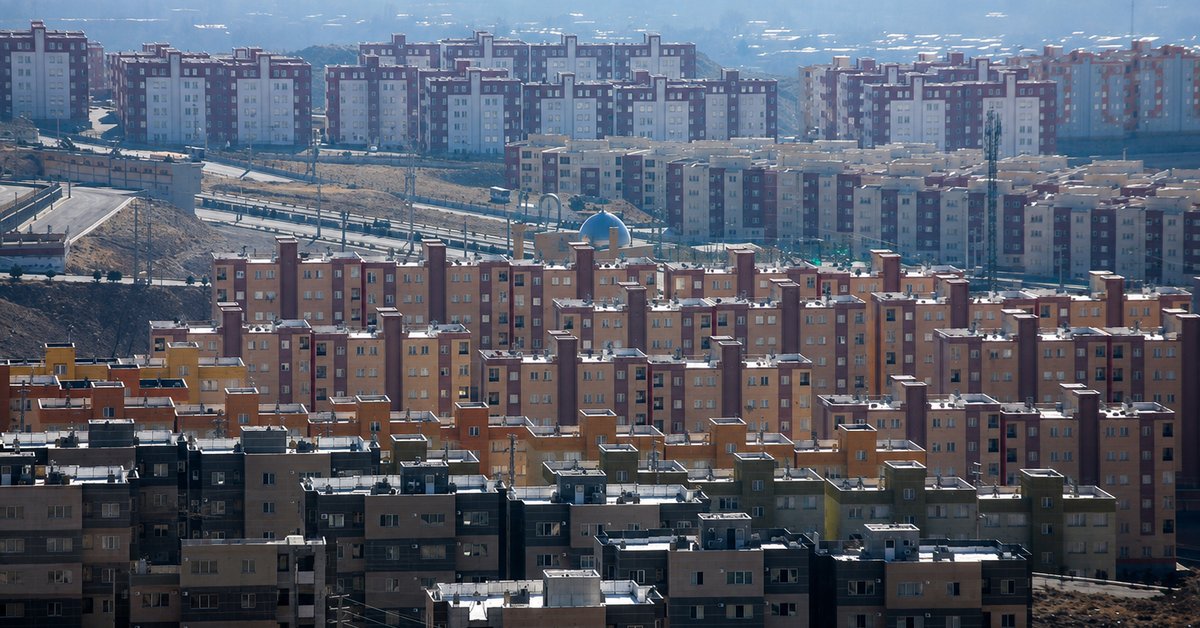
Average advertised monthly rent in Tehran has climbed above 720 million rials, roughly three times the earnings of many Iranian workers, exposing a widening affordability gap as some tenants face increases of up to 100%, market data showed in late July.
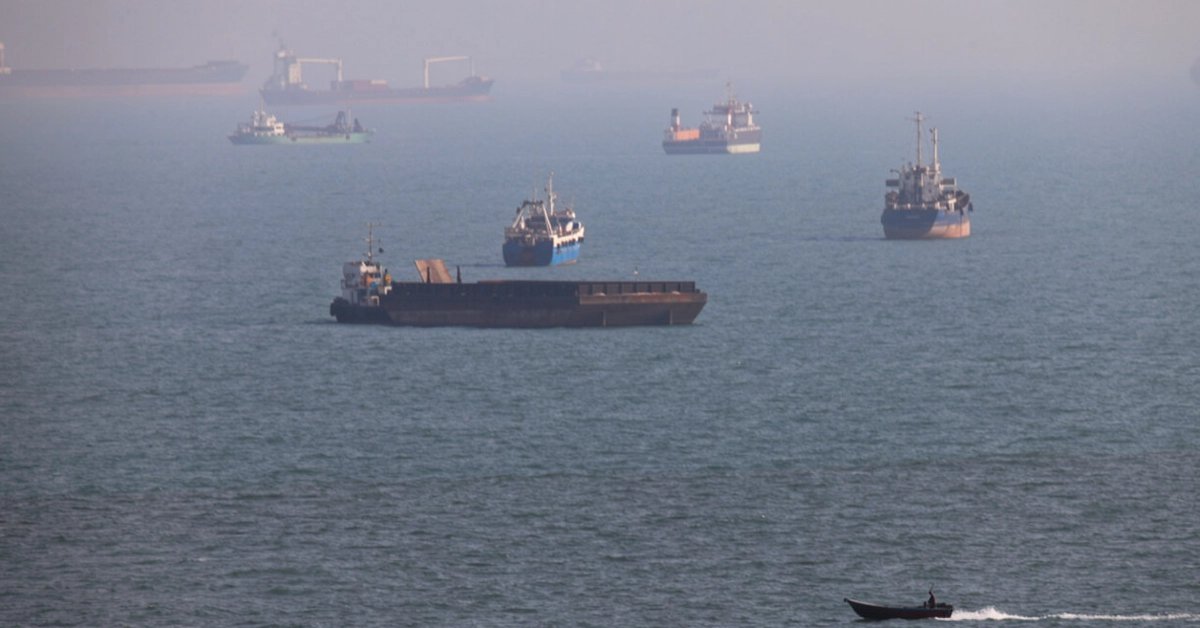
Iran says the Strait of Hormuz will not reopen until the United States meets its conditions, even as Tehran and Oman move closer to an agreement on a temporary shipping route.
Nearly 100 prominent Iranians, including artists and filmmakers, have been summoned by security agencies or judicial authorities after speaking out against a new wave of executions, particularly the public hanging of protesters in Isfahan, a rights activist said.
Persian-language reality shows filmed outside Iran are giving young Iranians freedoms that would be impossible on television under the Islamic Republic, while revealing another side of life abroad: uncertainty over work, residency, identity and where ultimately to belong.
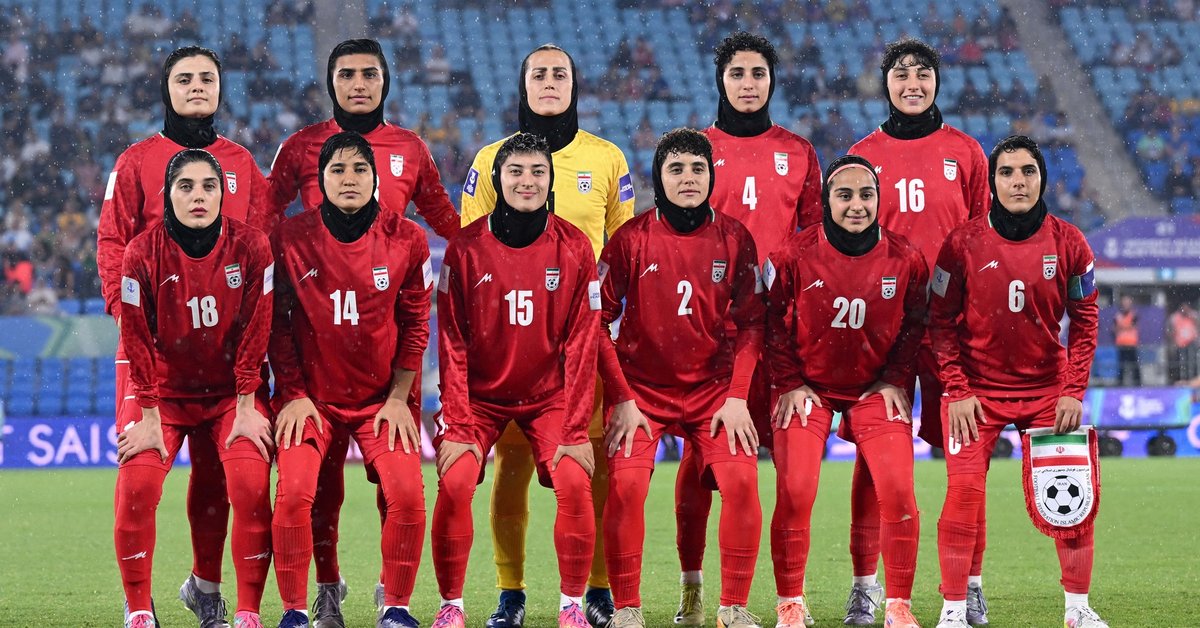
Late last month, Iran's finest striker sat across from the country's judiciary chief and asked him to help her find a job. Last week, two of her former teammates became Australian citizens. Between those two scenes lies everything the Islamic Republic offers its sportswomen.
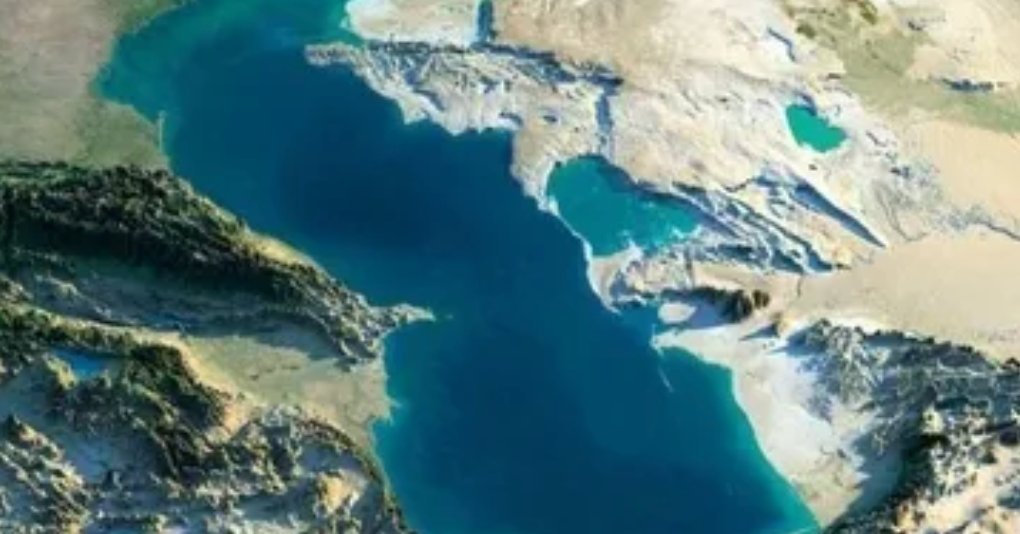
Iran is moving to ratify the Caspian treaty it left dormant for seven years, choosing the depths of a war to settle the status of its one quiet frontier, and reopening the oldest wound in its modern diplomacy: the belief that Tehran signed away half a sea.
Hamidreza Rajabzadeh, a pro-establishment Iranian religious singer, was abducted and killed after being missing for several days, the IRGC-affiliated Tasnim news agency reported on Saturday.
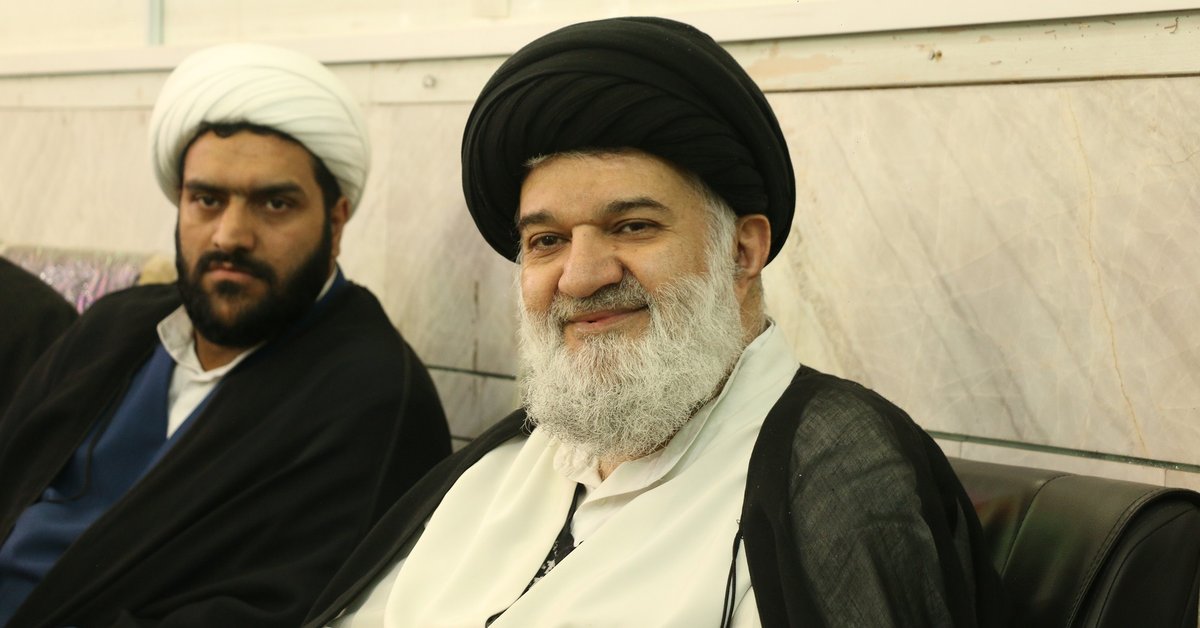
Iranian cleric Mohammad-Bagher Kharrazi was summoned to the Special Clerical Court after calling for the Islamic Republic to be replaced by a more hardline “Islamic government” and outlining plans to mobilize a 250,000-strong network capable of surrounding government sites.
Nearly one million people dropped off Iran’s social security contribution rolls over the past year, a labor expert told ILNA, pointing to a sharp contraction in formal employment that he said is not reflected in the country’s official unemployment rate.
Ending the Iran war could expose the Islamic Republic to one of its greatest vulnerabilities, experts say, as Tehran confronts a battered post-war economy that may strain its ability to finance the institutions underpinning its rule.
The United States imposed fresh sanctions targeting Iran’s financial networks Friday even as US officials said progress had been made toward a deal with Tehran over the Strait of Hormuz and it could be clinched as early as the weekend.
Washington likely underestimated Iran’s ability to withstand the initial US-Israeli strikes, making a negotiated settlement harder to achieve and deepening mistrust, foreign-policy expert Paul Saunders told Iran International.
President Donald Trump's latest order to investigate leaks about US munitions stockpiles may look like another dispute between the White House and the American media. In Tehran, it is being read as vindication.
Iranian hardliners are intensifying pressure on authorities to enforce compulsory hijab, as recent cafe closures and online campaigns raise fears of a renewed crackdown despite widespread defiance of the dress code.
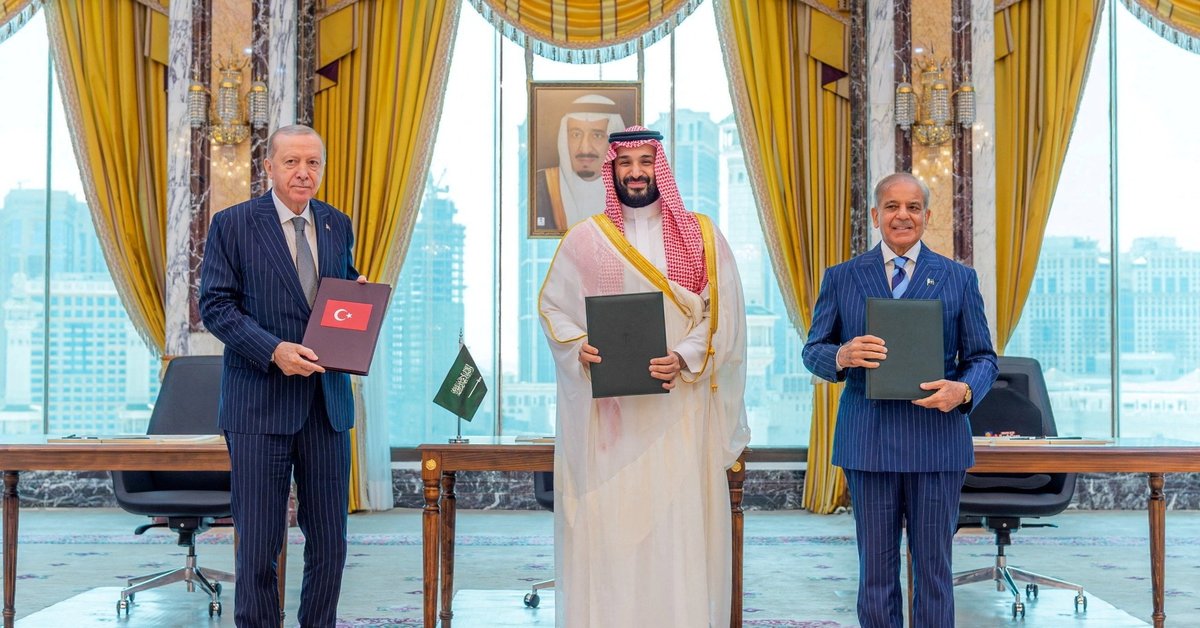
Saudi Arabia, Turkey and Pakistan signed a mutual defense pact in Mecca on Friday that never once named a threat, and within hours Iranian officials and clerics had named it for them, mocking the agreement and promising that "the roar of our missiles" will reach its signatories.
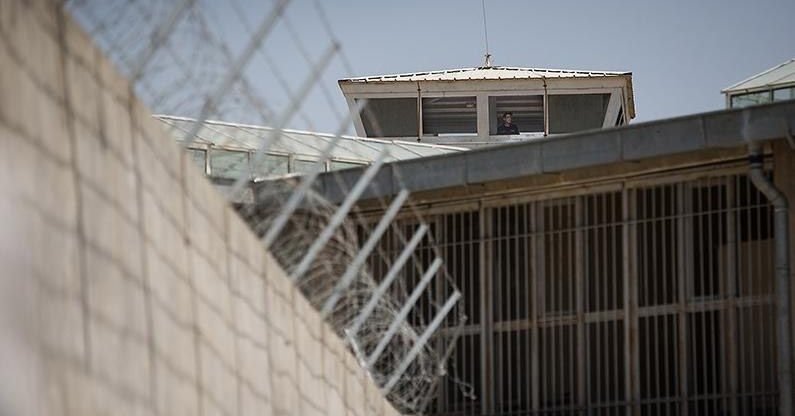
Dozens of people detained over Iran's January protests remain in a security ward in the country's northwest, with more than half still awaiting hearings or serving prison sentences of up to five years, the US-based Human Rights Activists News Agency (HRANA) reported on Friday.
Iran has opened a second case against Ahmad Seyyed-Abdollahi, who is serving a prison term after posting a video urging Donald Trump to protect demonstrators during January’s nationwide protests, sources familiar with the case told Iran International.
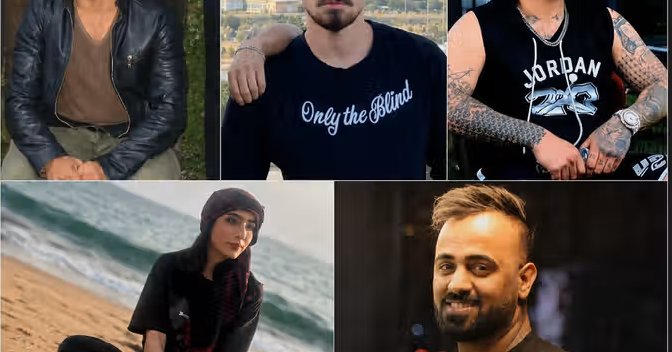
Five people detained over Iran’s nationwide January protests have been sentenced to death or are at risk of receiving death sentences in the northeastern city of Mashhad and nearby Shandiz, sources familiar with their cases told Iran International.