US says not seeking conflict with Iran as it deploys shipping protection mission
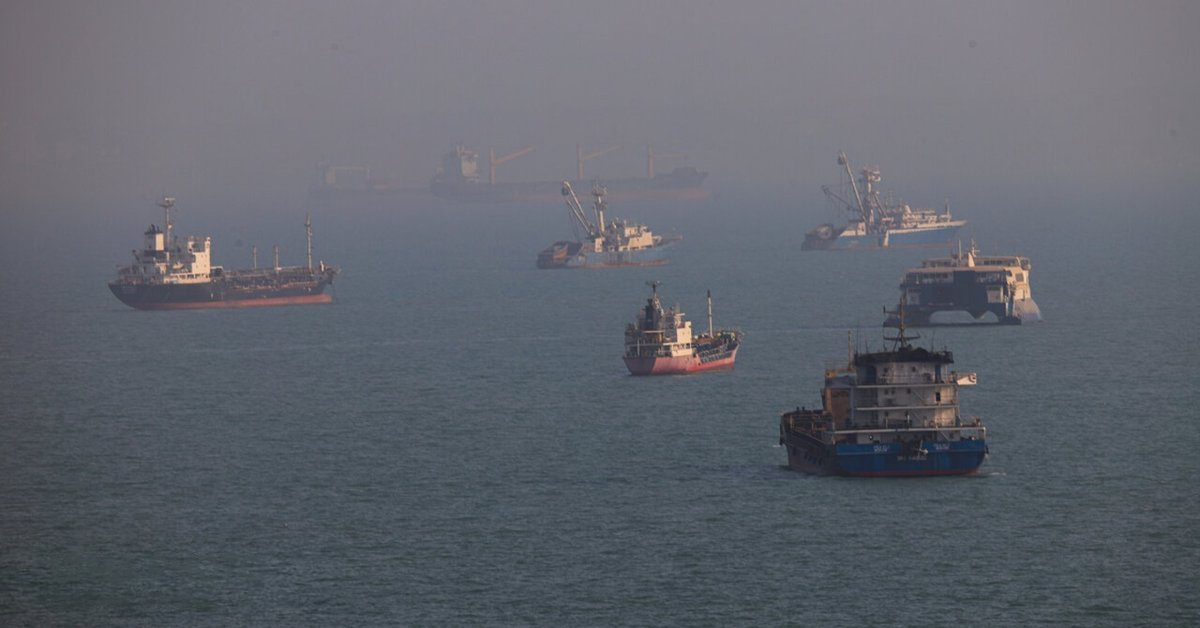
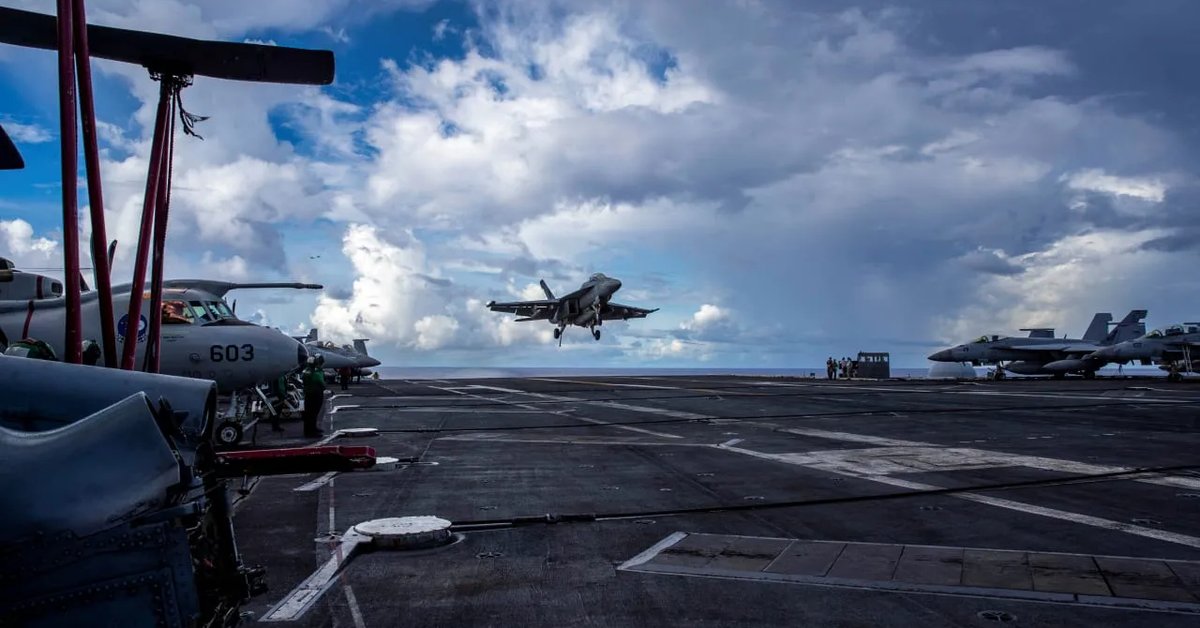
US War Secretary Pete Hegseth said the United States is not seeking conflict with Iran as it launches a temporary operation to protect shipping in the Persian Gulf.
Iranian newspapers reacted to the latest escalation in the Strait of Hormuz and attacks on the United Arab Emirates with a tone of pride and vindication, presenting the crisis as proof that Tehran can set the rules in the Persian Gulf.
Iran’s labor-focused news agency ILNA has pushed back against government efforts to downplay the economic impact of the recent conflict, citing experts who warn that actual unemployment figures far exceed official estimates.
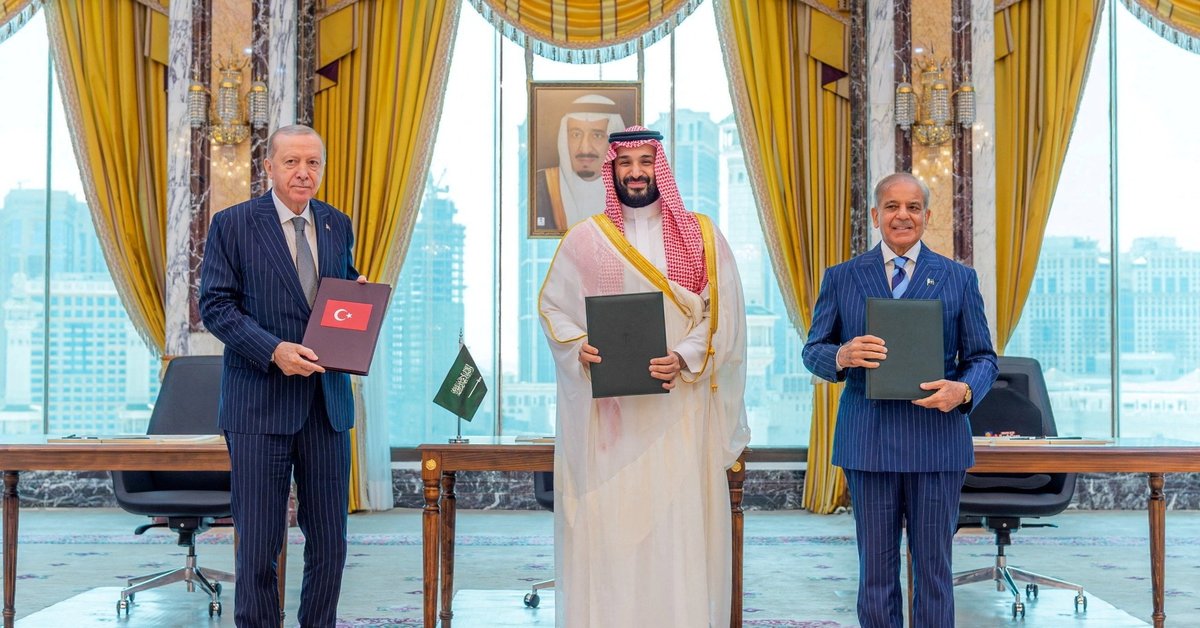
India and Pakistan condemned on Tuesday Iran’s attacks on the United Arab Emirates, calling for restraint and a return to diplomacy.
Iranian media are now openly discussing the war’s impact on livelihoods—a subject largely avoided until recently, when journalists resorted to indirect language to navigate censorship.
US intelligence agencies assess that recent military action has caused only limited additional damage to Iran’s nuclear program, Reuters reported Monday, leaving Tehran’s potential timeline to produce a weapon largely unchanged.
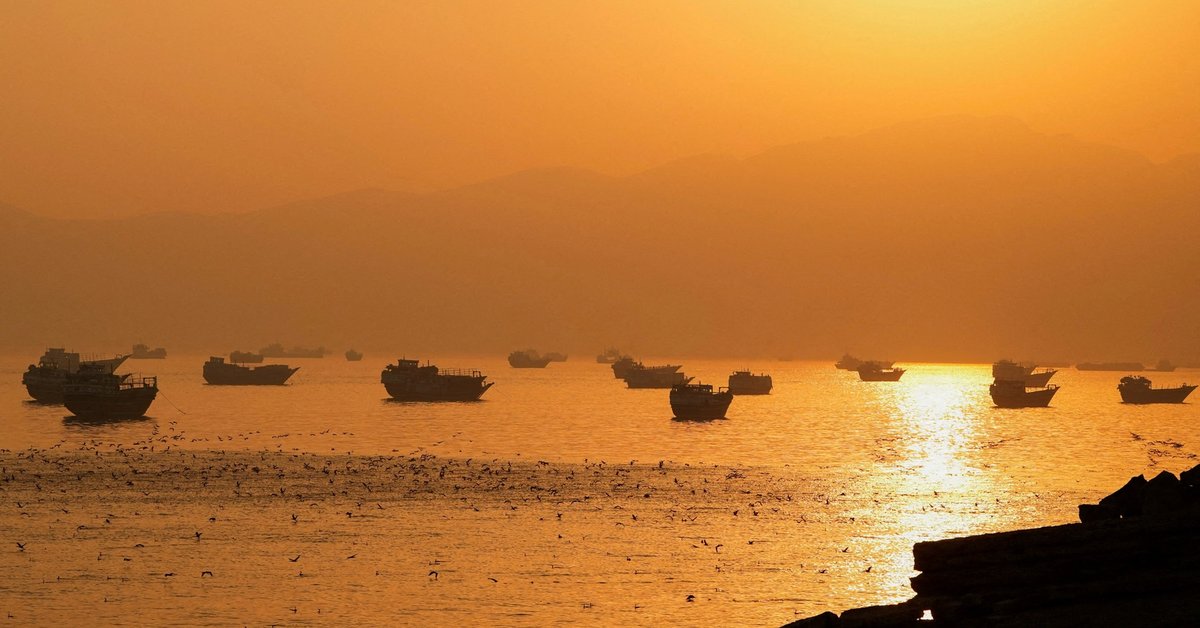
Iran has paired a sharp escalation on the water with increasingly explicit threats, signaling what appears to be a deliberate move to deter further US attempts to reopen shipping through the Strait of Hormuz.
US President Donald Trump could pursue major military action against Iran if talks do not soon produce the outlines of an achievable deal, Axios reported on Monday, citing a senior US official.
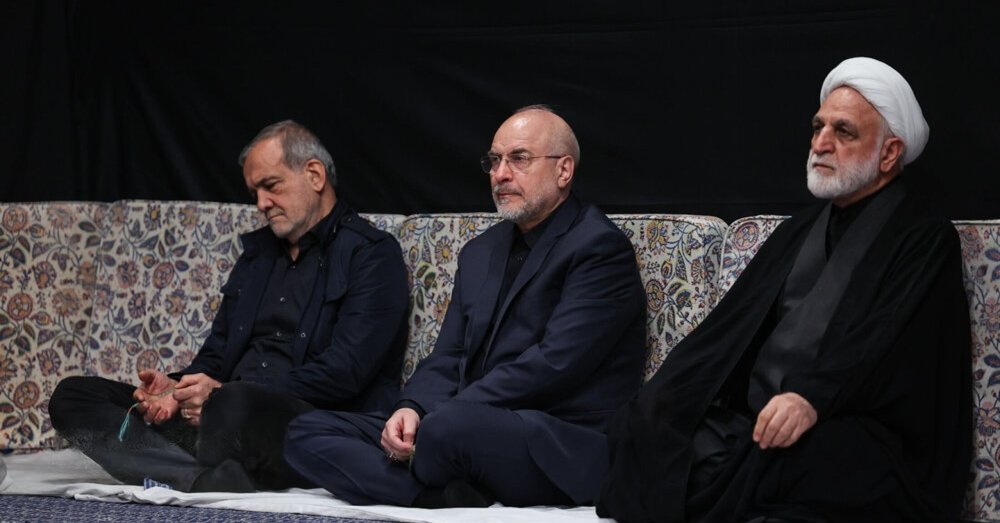
The war with the United States and Israel has exposed unusually open divisions within Iran’s clerical establishment, with hardline calls for escalation clashing with warnings over the cost of continued conflict.
Iran is facing accusations of supplying attack drones to Sudan’s army as the country’s civil war enters its fourth year, with US officials and analysts warning that drone strikes are increasingly hitting civilians, hospitals, schools and aid operations, Fox News reported.
Any settlement of the Iran war that leaves the Revolutionary Guards in control would preserve the Islamic Republic's core of power and risk turning a military advantage for the US and Israel into a strategic defeat.
The United States has asked partner countries to join its newly formed Maritime Freedom Coalition to help secure passage through the Strait of Hormuz and Persian Gulf waterways, according to a State Department cable.
Iran’s worsening economic crisis is drawing unusually blunt warnings from state media and establishment voices as war, inflation and shortages squeeze households and expose the limits of the government’s response.
European airlines are facing their biggest test since the COVID-19 pandemic as the Iran war drives up jet fuel prices, disrupts Middle East routes and raises concerns about possible fuel shortages ahead of the summer holiday season.
Iran’s foreign trade has suffered a sharp contraction in the first month of war with the United States and Israel, newly released customs data show, signaling a severe blow to the country’s already fragile economy.
Iran and the United States traded accusations at the United Nations on Monday over the Strait of Hormuz, as the archfoes’ weeks-long standoff over the strategic waterway continued to disrupt global energy supplies and world trade.
New intelligence obtained by Iran International reveals the identities of operatives in an IRGC-linked espionage and assassination network, including a foreign cleric trained in Qom who allegedly coordinated attacks targeting Israeli and Western interests.
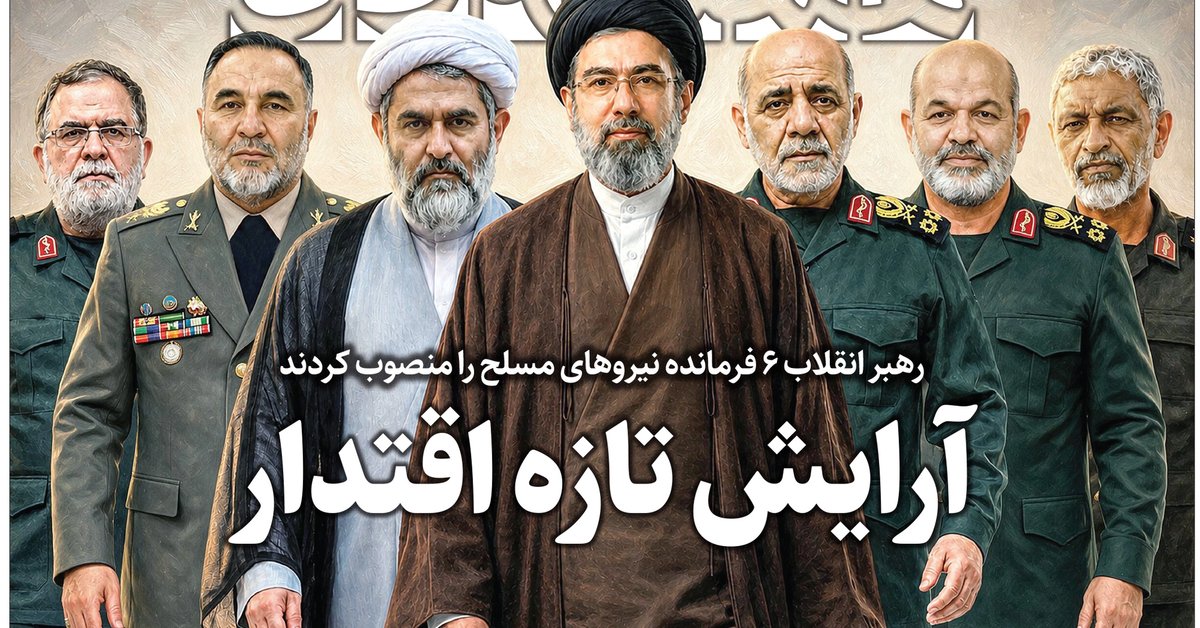
The Islamic Republic that has emerged from the killing of Iran's Supreme Leader Ali Khamenei may prove more operationally aggressive than the one it replaces, analysts say.
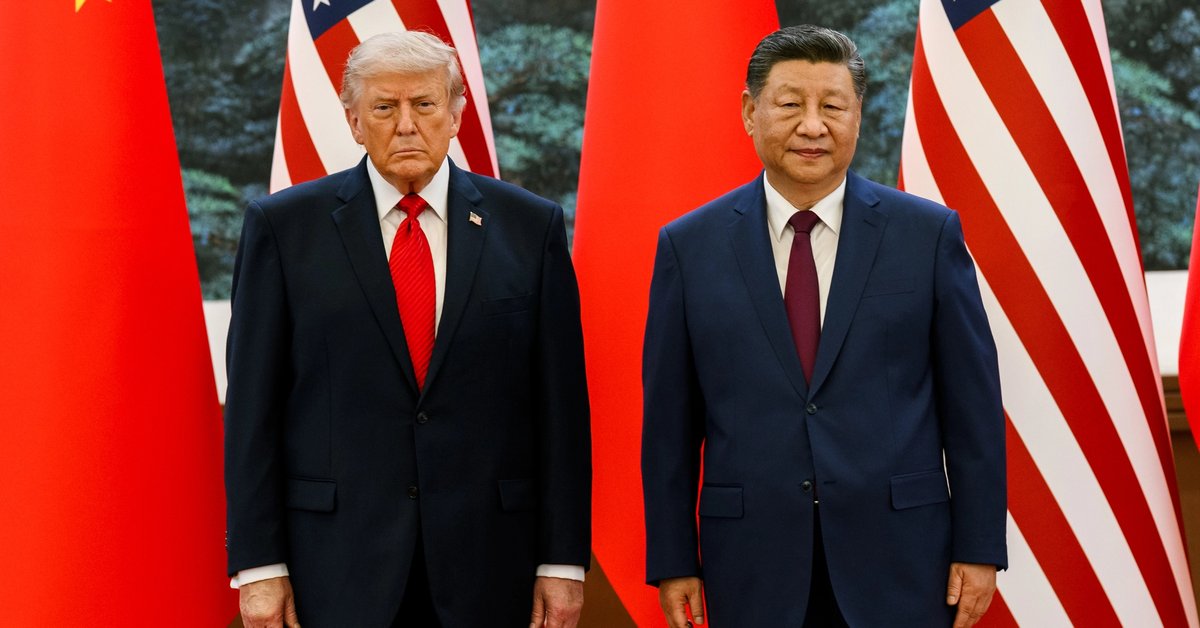
As Washington and Tehran navigate a fragile ceasefire, one of the biggest questions looming over the conflict may not be about Iran at all—but China.
Iran’s state broadcaster has sparked ridicule after claiming that 87% of Iranians support continuing the war with the United States, in a curious turn from early in the conflict where pro-war sentiments of an alienated populace was branded treachery.