The strange stability between Tehran and the Taliban
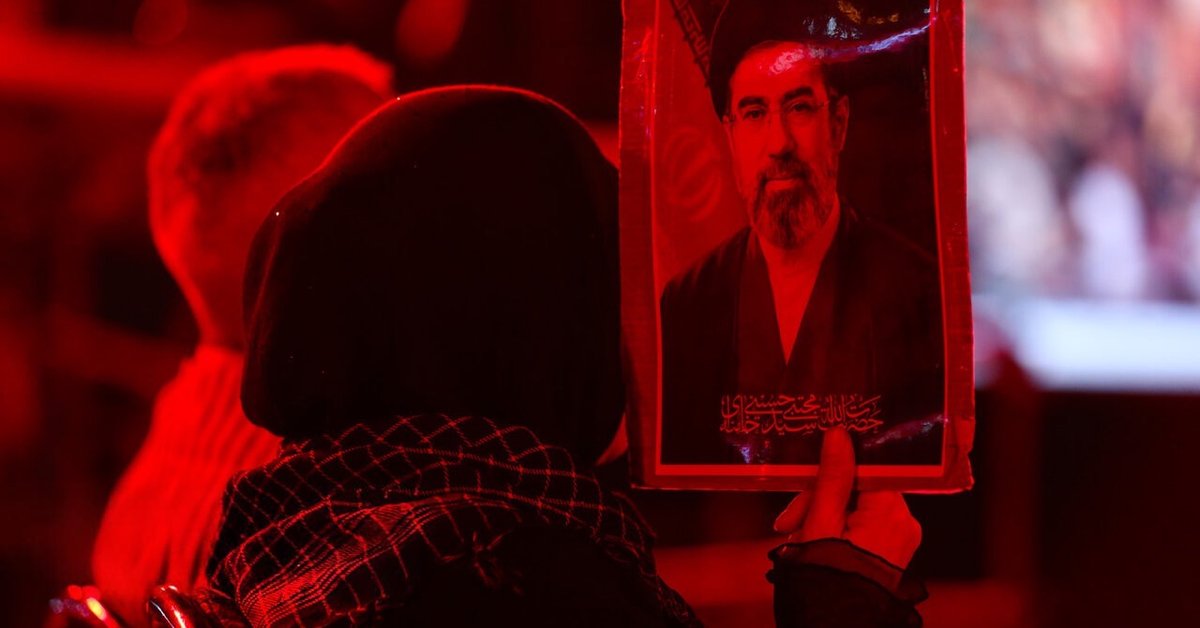
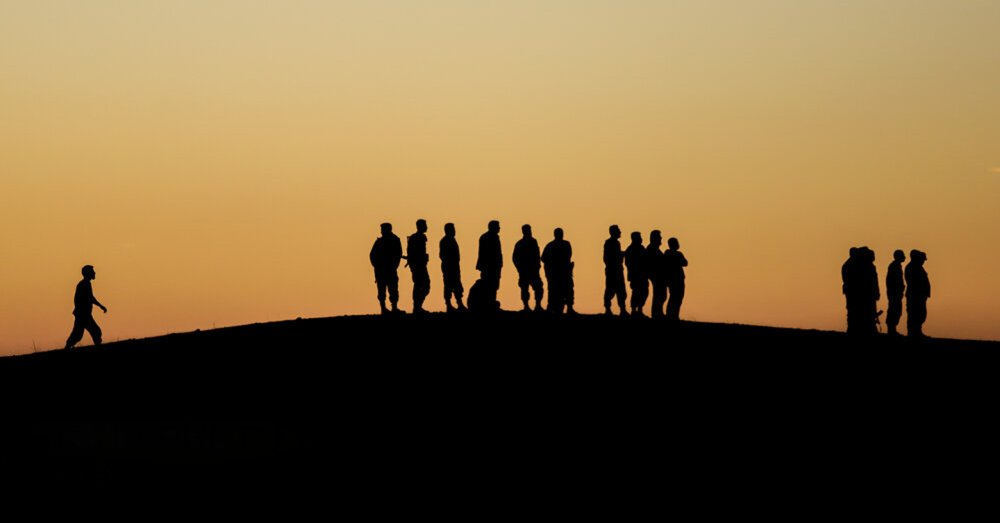
The relationship between the Taliban and Iran, once marked by military confrontation and nearly pushed to war, is now defined by caution and quiet engagement.
As tensions escalate in the Middle East, critics say Canada’s “values-based realism” has left Ottawa a passive observer rather than an influential middle power confronting Iran’s threats and regional crises.
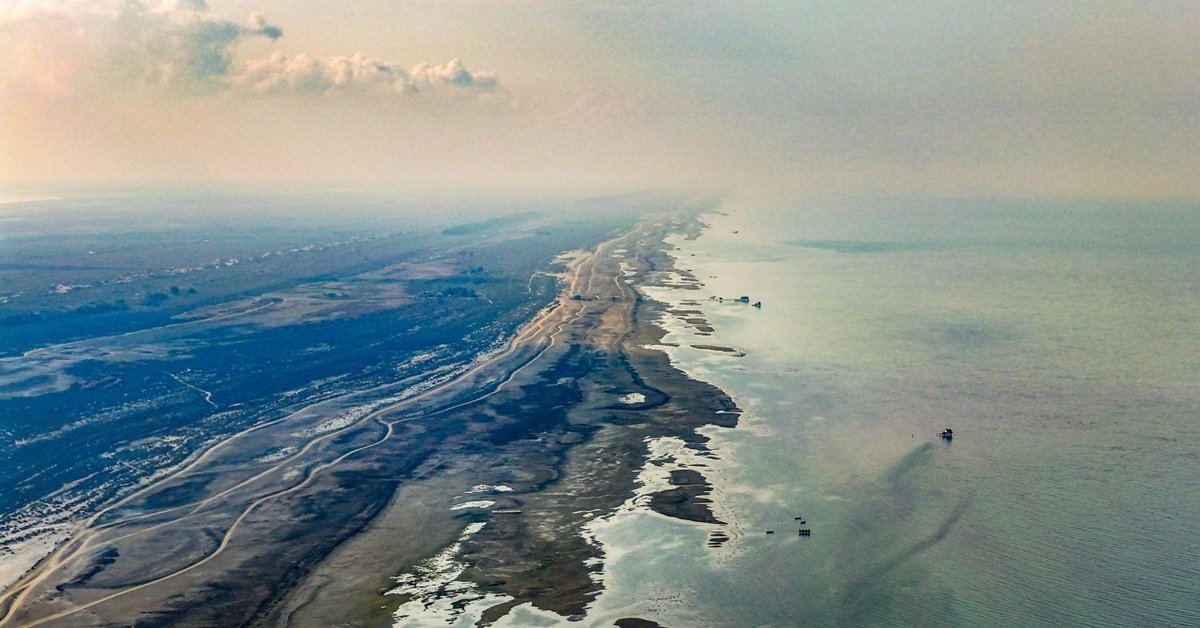
Iran’s water crisis is not only about scarcity or drought. It is also about where the Islamic Republic chooses to spend the country’s money, and what it leaves unfunded at home.
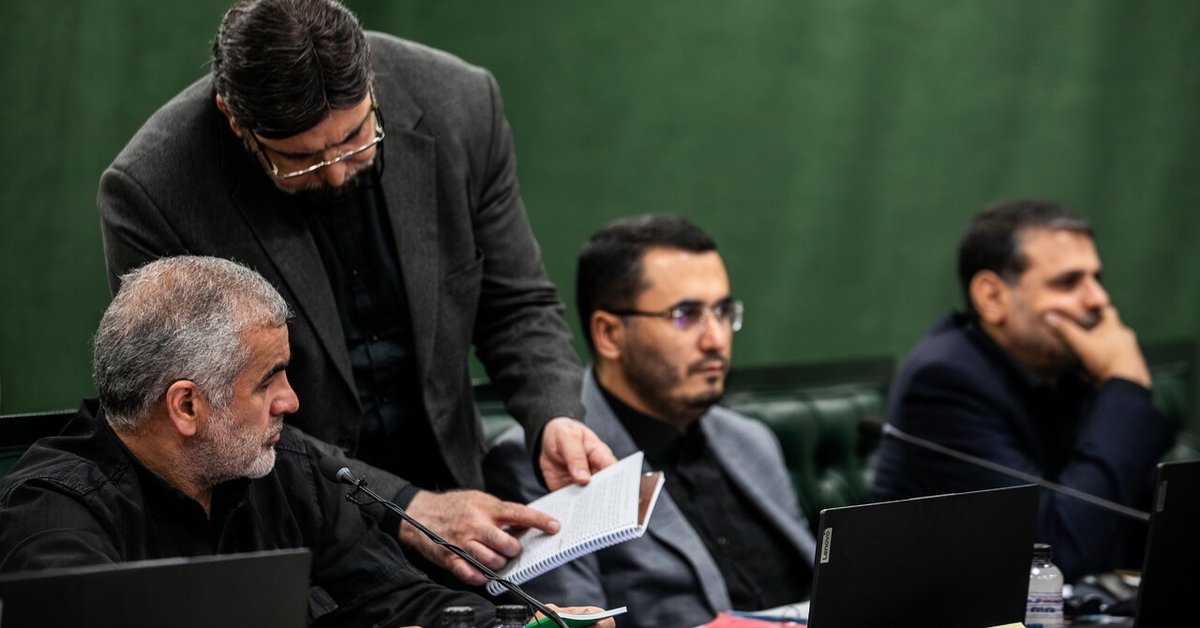
Parliament Speaker Mohammad Bagher Ghalibaf appears to be trying to solidify his position inside Iran’s fractured post-war leadership after recent weeks exposed the limits of assumptions that he had effectively emerged as the country’s de facto ruler.
Iranian media have welcomed Beijing’s unusually sharp rhetoric in support of Tehran, portraying recent Chinese diplomacy as evidence of a deepening strategic partnership.
Renewed deal talk between Washington and Tehran has angered many Iranians, who questioned in messages to Iran International whether another agreement would reward the Islamic Republic while ordinary people bear the cost.
A former senior Iranian security official has criticized state television for amplifying hardline rhetoric that he warned could deepen social divisions at a sensitive moment for the country.
Signs of a possible breakthrough between Tehran and Washington have triggered sharply divergent reactions across Iran’s political and media landscape.
Iranians need access to weapons to challenge their rulers, President Donald Trump said on Monday, arguing that protesters would fight effectively if armed but are currently outmatched by government forces.
Exclusive information obtained by Iran International points to a growing clash between Iran’s moderate president Masoud Pezeshkian and the country’s military leadership over Monday’s escalation in the Persian Gulf and attacks on the United Arab Emirates.
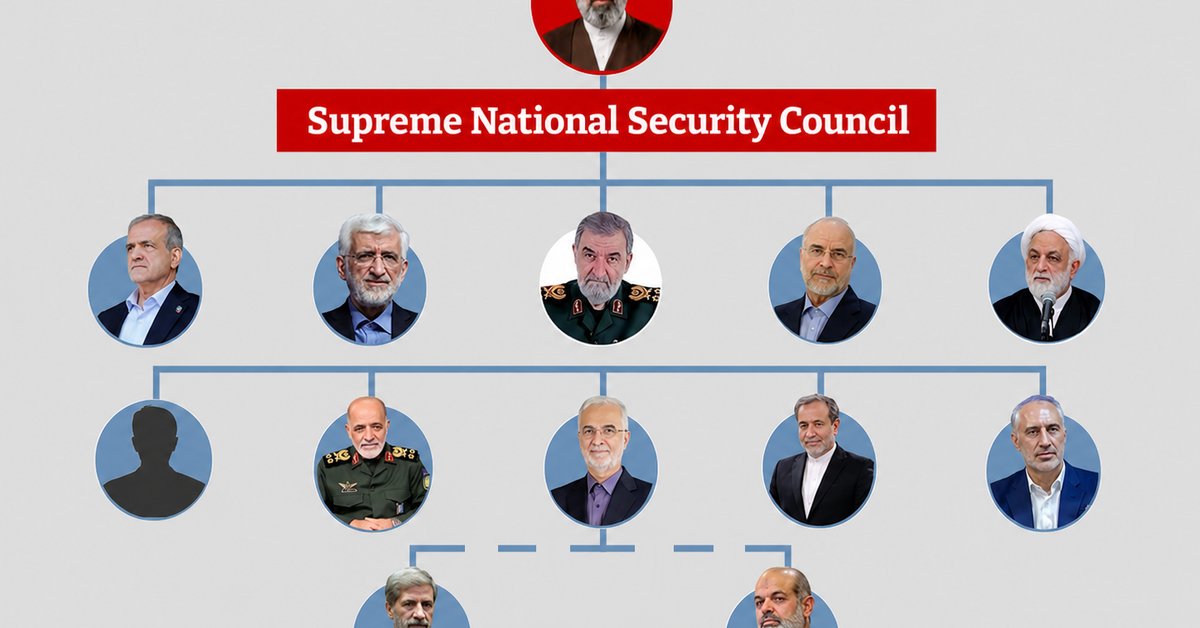
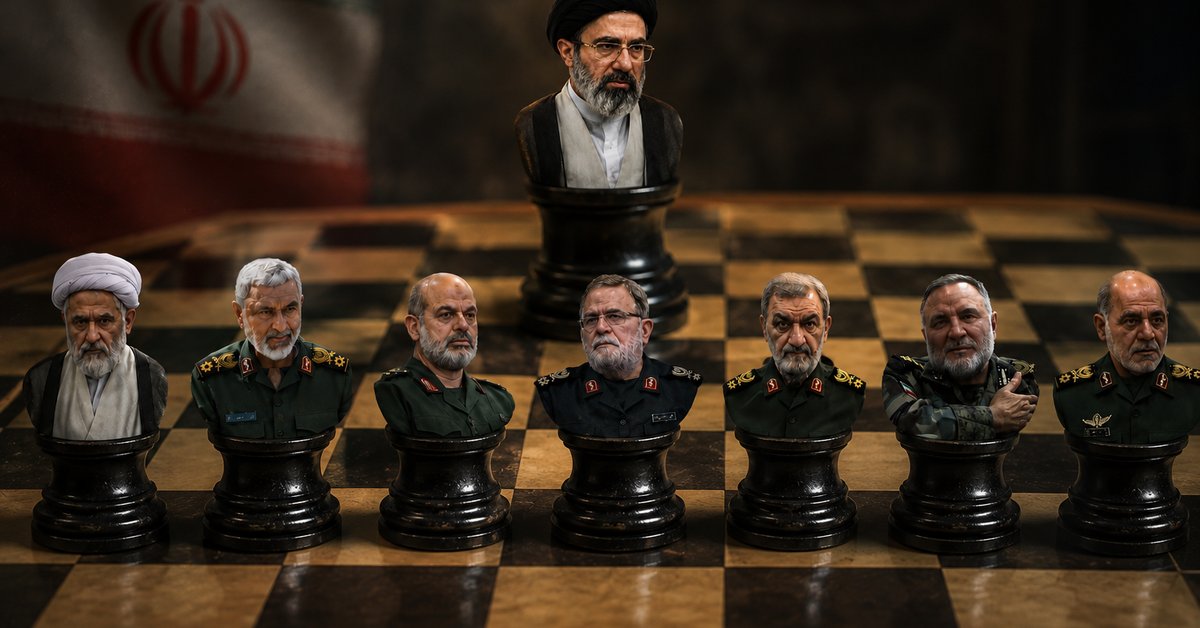
The most important question in Tehran may also be the one least possible to answer with confidence: who is making decisions?
Canada’s Official Opposition has accused the government of bypassing its own rules after Iran International reported that an IRGC-linked Iranian football official was granted special permission to enter the country despite being inadmissible.
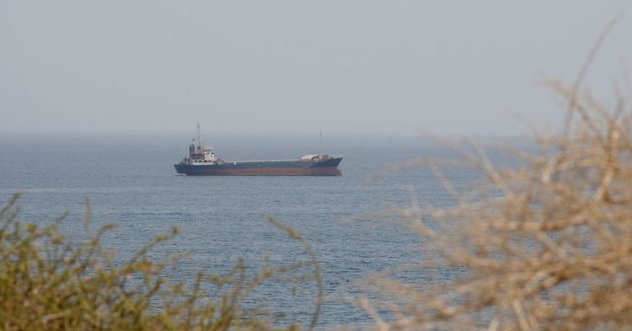
Iran’s leadership is hardening its stance on the Strait of Hormuz, framing the waterway as a strategic and non-negotiable asset amid rising tensions and US pressure.
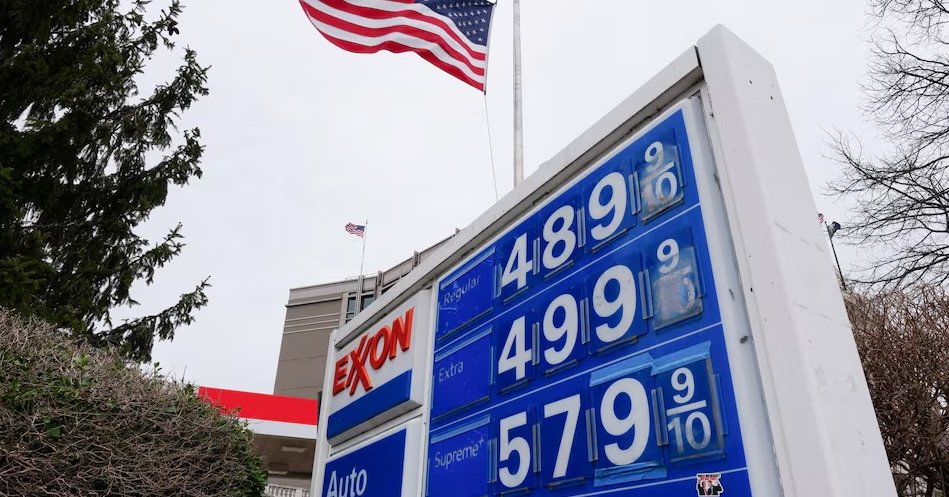
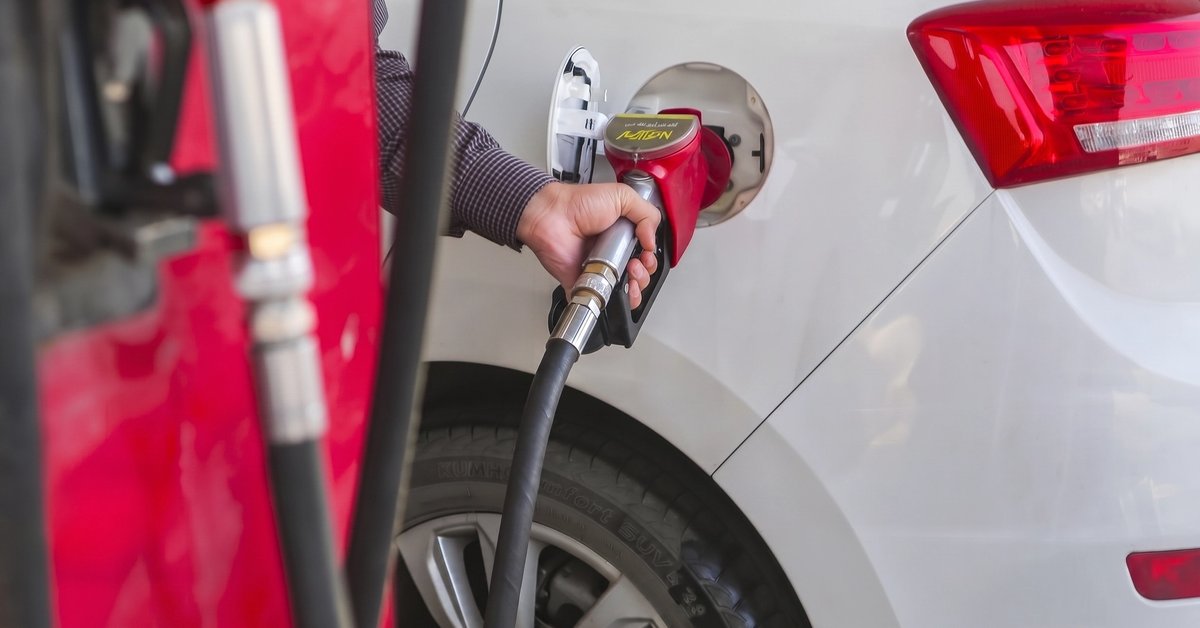
Rising prices for essential goods, inflation above 73%, and a surging dollar amid a fragile “no war, no peace” environment, US naval pressure, and political divisions have heightened concerns among some officials about internal instability.
Canada’s government is under pressure to explain how Mehdi Taj, Iran’s football chief and a former IRGC intelligence commander, was allowed into the country after Iran International revealed he had been granted a special permit despite Canada’s IRGC ban.
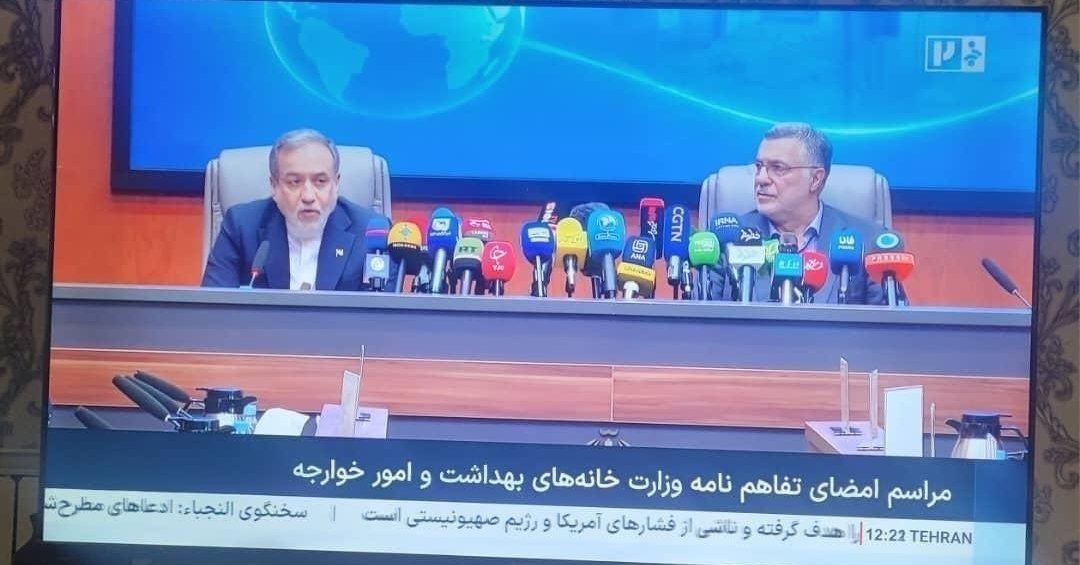
Iran's president and parliament speaker are seeking Foreign Minister Abbas Araghchi’s removal, accusing him of following the Revolutionary Guard chief’s instructions in nuclear talks without informing the president, two sources familiar with the matter told Iran International.
Taliban leaders and affiliated figures voiced support for Iran after Israeli strikes in June 2025 and later US threats, signaling a limited and conditional alignment despite longstanding disputes with Tehran.
As Iranian officials continue to tout a “strategic partnership” with Russia, rare public criticism has emerged over Moscow’s muted response to the recent war.
Iran's football chief Mehdi Taj, once a commander in the Islamic Revolutionary Guard Corps, was sent back from Canada just hours after landing, according to a government source who spoke to Iran International.
A widening split over how to deal with the United States has reached the deepest layers of Iran’s hardline establishment, surfacing in state-linked media and among factions that have long presented a united front under the banner of revolutionary loyalty.