‘Now is the moment to invest’: Syria needs global backing, says UN expert
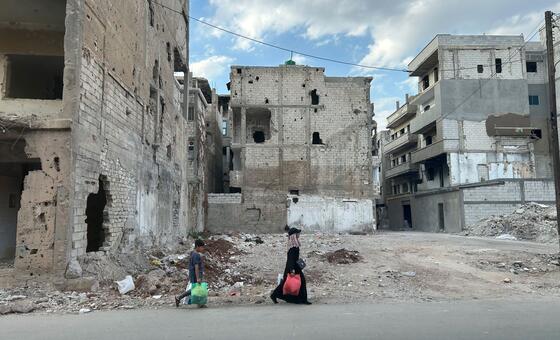
Syria has made “remarkable progress” on transitional justice within the past year, raising hopes for accountability and recovery after more than a decade of civil conflict.
As the war in the Middle East continues, the United Nations Secretary-General issued a passionate call for “serious negotiations” between the US and Iran to resume, warning that respect for international law “is being trampled” underfoot.
Yemen must not be drawn into the escalating conflict in the Middle East, the Security Council heard on Tuesday, stressing the need for de-escalation, political progress and urgent humanitarian funding for beleaguered civilians battered by years of grinding war.
Developments over the weekend have raised fresh concerns across the Middle East and beyond after talks between the United States and Iran on Saturday ended without agreement, fuelling uncertainty and renewed tensions. The US announcement of a planned blockade targeting Iranian ports has added to fears of further escalation and potential disruption to global trade routes. Meanwhile, the humanitarian toll continues to mount, with Lebanese authorities reporting that the death toll from Israeli airstrikes has now surpassed 2,000 since the escalation began last month.
The United States and Iran must continue talks aimed at ending their weeks-long war, UN Secretary-General António Guterres said on Monday, underscoring that there is no military solution to the conflict.
Fighting continues across parts of the Middle East, with renewed exchanges between Israel and Hezbollah adding to an already volatile regional picture. The escalation comes as humanitarian needs deepen, with rising civilian casualties, mounting displacement and growing strain on critical infrastructure and health services. At the same time, diplomatic efforts continue amid the scope of the recent US-Iran ceasefire, with talks scheduled in the coming days.
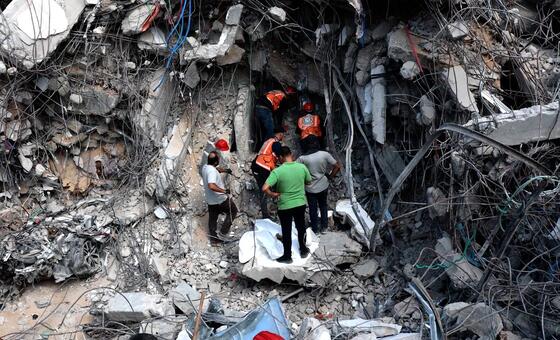
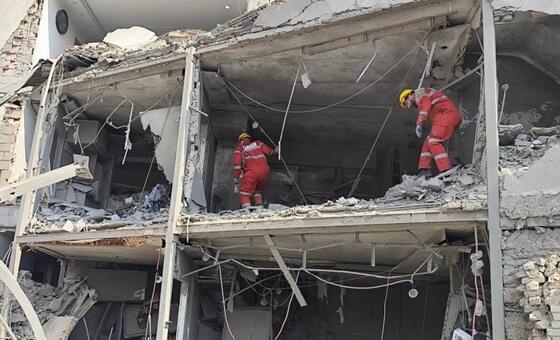
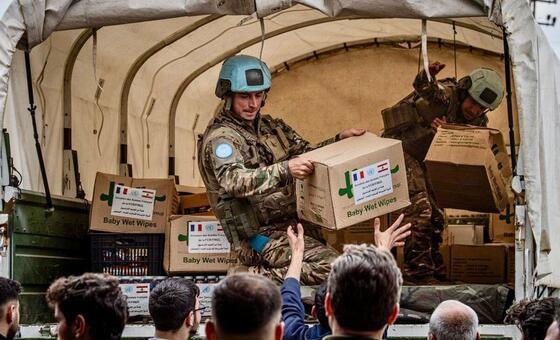
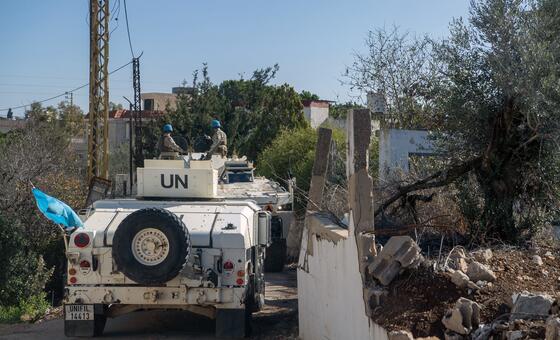
With Lebanon still reeling from Israel’s devastating airstrikes on 8 April, UN humanitarians reported new fears of attacks on ambulances and looming food shortages in the south of the country on Friday.
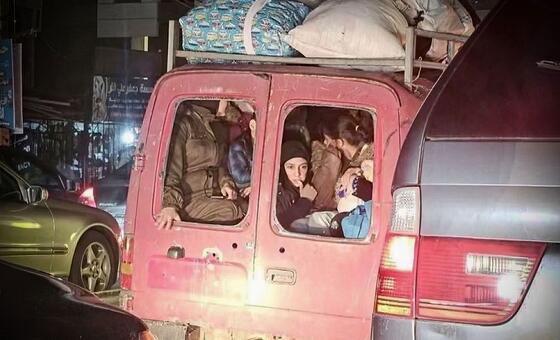
With a US-Iran ceasefire offering a fragile glimmer of hope after weeks of conflict, violence continues to reverberate across the Middle East. Massive airstrikes in Lebanon have caused heavy civilian casualties and widespread destruction, drawing strong UN condemnation. As humanitarian needs deepen and diplomatic efforts intensify, the situation remains highly volatile.
The scale and speed of destruction from the wave of airstrikes in Lebanon which began just hours after the US-Iran ceasefire announcement, has left the country’s already strained health system struggling to cope, according to the World Health Organization (WHO).
After nearly 40 days of intense hostilities across the Middle East – marked by rising civilian casualties and widespread damage to critical infrastructure – a two-week ceasefire between the United States and Iran has been announced, offering a potential pause in the fighting. While the UN Secretary-General has welcomed the move as a step toward a broader peace, reports of continued Israeli strikes in southern Lebanon underscore the fragility of the situation. Stay with us for live updates on developments across the region and beyond.
The United Nations has strongly condemned airstrikes by the Israeli military across Lebanon on Wednesday which have resulted in significant casualties and destruction.
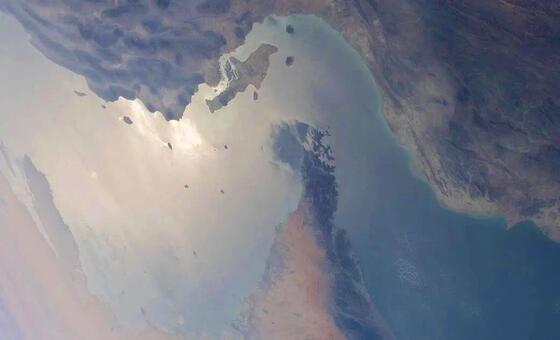
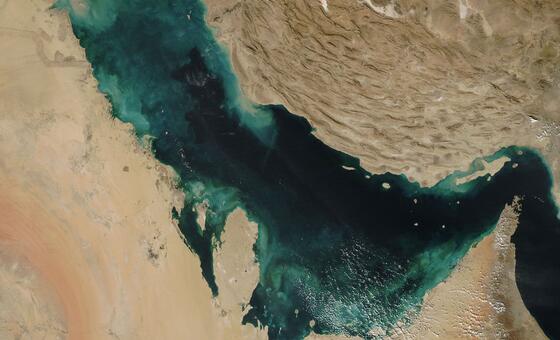
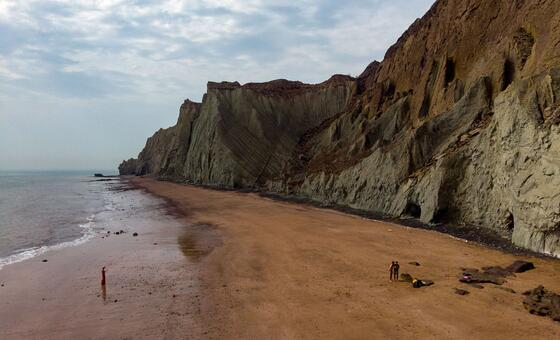
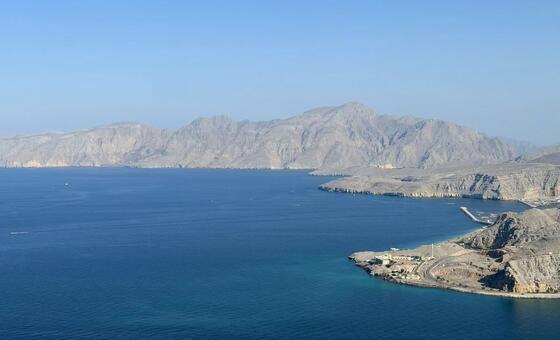
The announcement of a two-week ceasefire between the US and Iran, will it is hoped, lead to the opening of the strategically important Strait of Hormuz, a vital waterway through which one fifth of the world’s oil and gas passes.
Hostilities continue across the Middle East, with ongoing strikes, rising civilian impacts and mounting pressure on critical infrastructure and humanitarian services. Attention is also turning to New York, where the Security Council is expected to vote on a Bahrain-led draft resolution concerning the situation in the Strait of Hormuz. Meanwhile, displacement remains high, aid access is constrained, and economic and security impacts continue to ripple far beyond the region.
The UN Security Council has failed to adopt a resolution aiming to boost security in the Strait of Hormuz as the critical shipping corridor remains largely closed to global trade and the transport of humanitarian aid, with war continuing to rage across the region.
Strikes and counter-strikes continue across the Middle East, with dozens of casualties reported over the weekend in Lebanon following Israeli strikes targeting the south and the capital, Beirut. As hostilities persist into their second month, humanitarian needs are rising, critical infrastructure remains under strain, and the wider economic and global impacts of the crisis continue to unfold. Stay with us for live updates from across the UN system.
Reports of yet another projectile strike near the Bushehr nuclear power plant prompted Rafael Grossi, head of the International Atomic Energy Agency (IAEA), to register his deep concern on Saturday.
Deadly new strikes reported across the Middle East overnight and Thursday rattled energy markets and pushed crude oil prices up to $107 in early trading. Hopes dwindled of a quick end to the conflict as President Trump spoke of another "two to three weeks" of attacks, alongside "ongoing" discussions with Tehran. Civilians across the region continue to suffer misery and displacement.
The Middle East crisis has lurched into its second month, prompting UN Secretary-General António Guterres to issue a stark warning on Thursday morning that the world is “on the edge of a wider war” with catastrophic global implications.
The World Health Organization (WHO) has facilitated the delivery of some 106 metric tonnes of lifesaving nutrition supplies to the Gaza Strip – the first shipment via a mechanism to deliver aid by sea, in line with a UN Security Council resolution and amid the ongoing war in the Middle East.
The war in the Middle East and the near halt to shipping in the Strait of Hormuz has amplified the energy crunch facing developing nations in Africa and South Asia that rely heavily on imported liquid gas, food and fertilizers.