Iran says US must meet its demands before Hormuz reopens
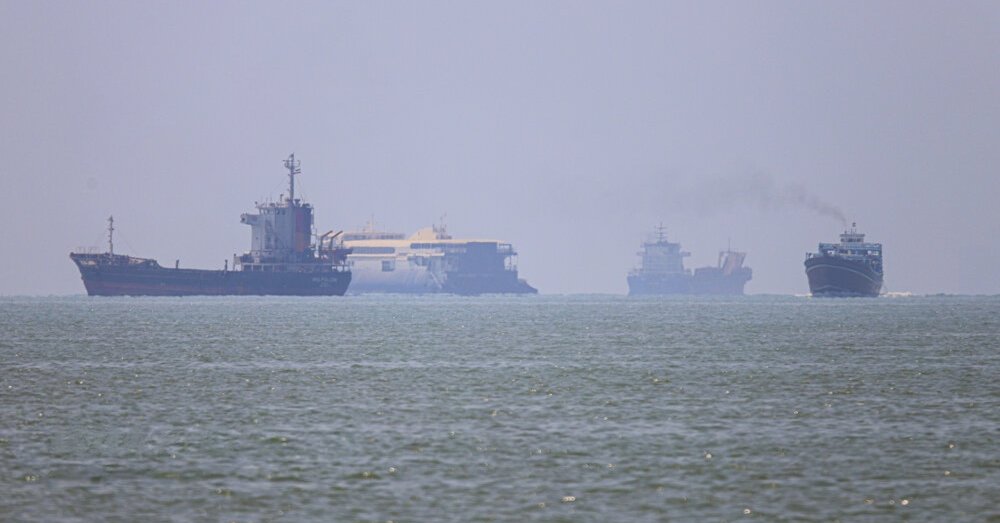
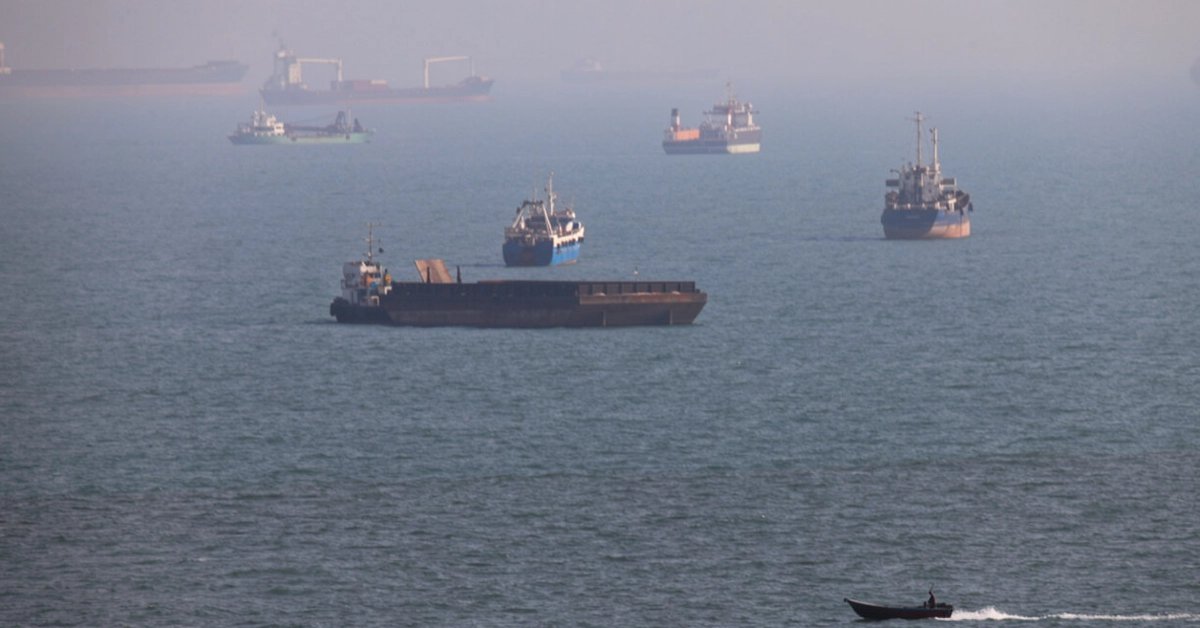
Iran says the Strait of Hormuz will not reopen until the United States meets its conditions, even as Tehran and Oman move closer to an agreement on a temporary shipping route.
Iran says the Strait of Hormuz will not reopen until the United States meets its conditions, even as Tehran and Oman move closer to an agreement on a temporary shipping route.
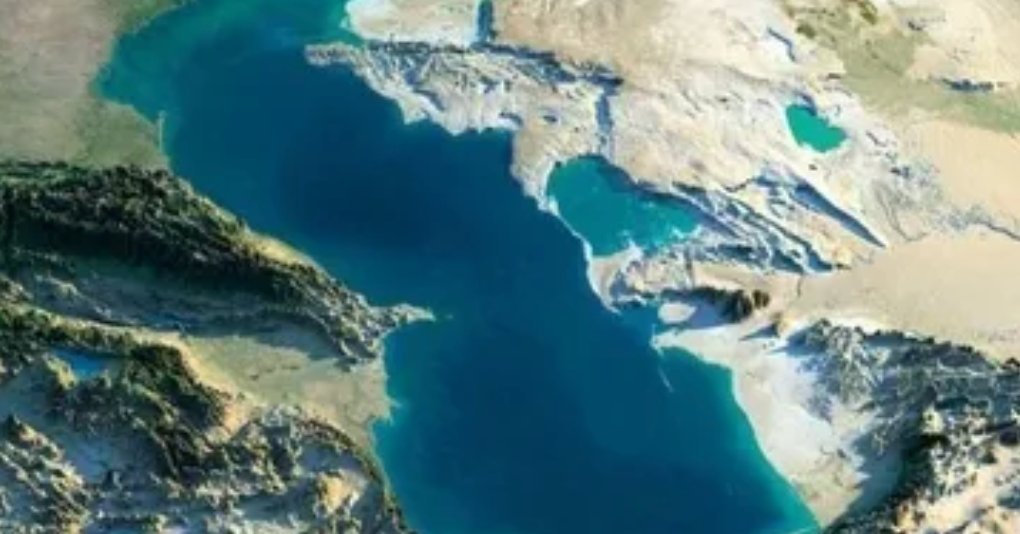
Iran is moving to ratify the Caspian treaty it left dormant for seven years, choosing the depths of a war to settle the status of its one quiet frontier, and reopening the oldest wound in its modern diplomacy: the belief that Tehran signed away half a sea.
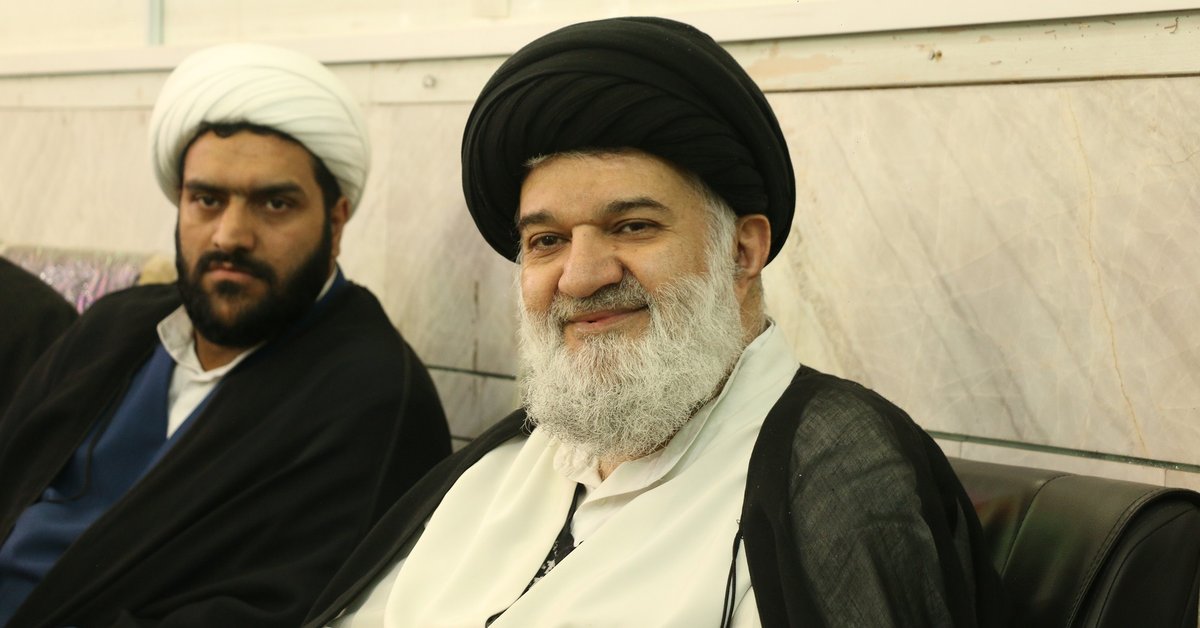
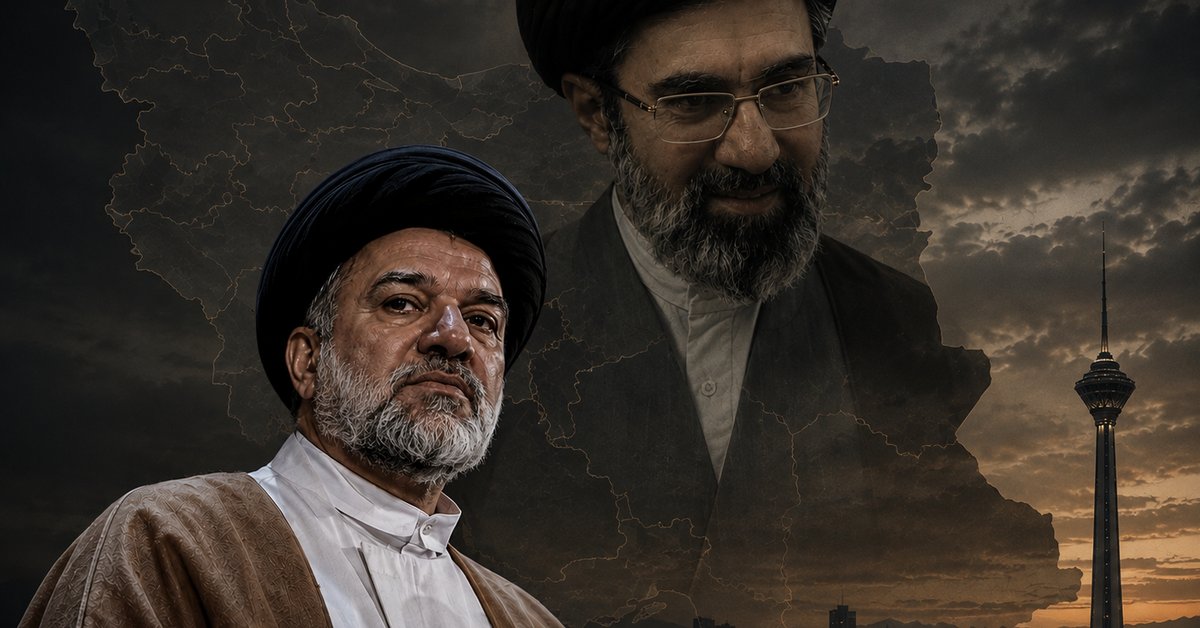
Iranian cleric Mohammad-Bagher Kharrazi was summoned to the Special Clerical Court after calling for the Islamic Republic to be replaced by a more hardline “Islamic government” and outlining plans to mobilize a 250,000-strong network capable of surrounding government sites.
Nearly one million people dropped off Iran’s social security contribution rolls over the past year, a labor expert told ILNA, pointing to a sharp contraction in formal employment that he said is not reflected in the country’s official unemployment rate.
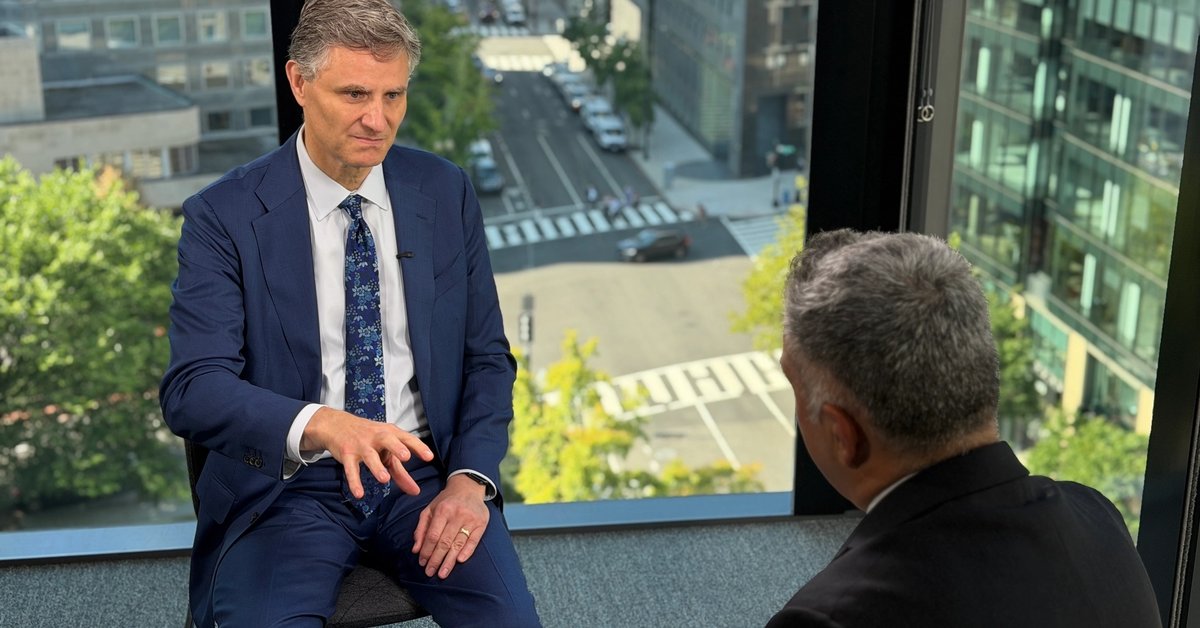
Washington likely underestimated Iran’s ability to withstand the initial US-Israeli strikes, making a negotiated settlement harder to achieve and deepening mistrust, foreign-policy expert Paul Saunders told Iran International.
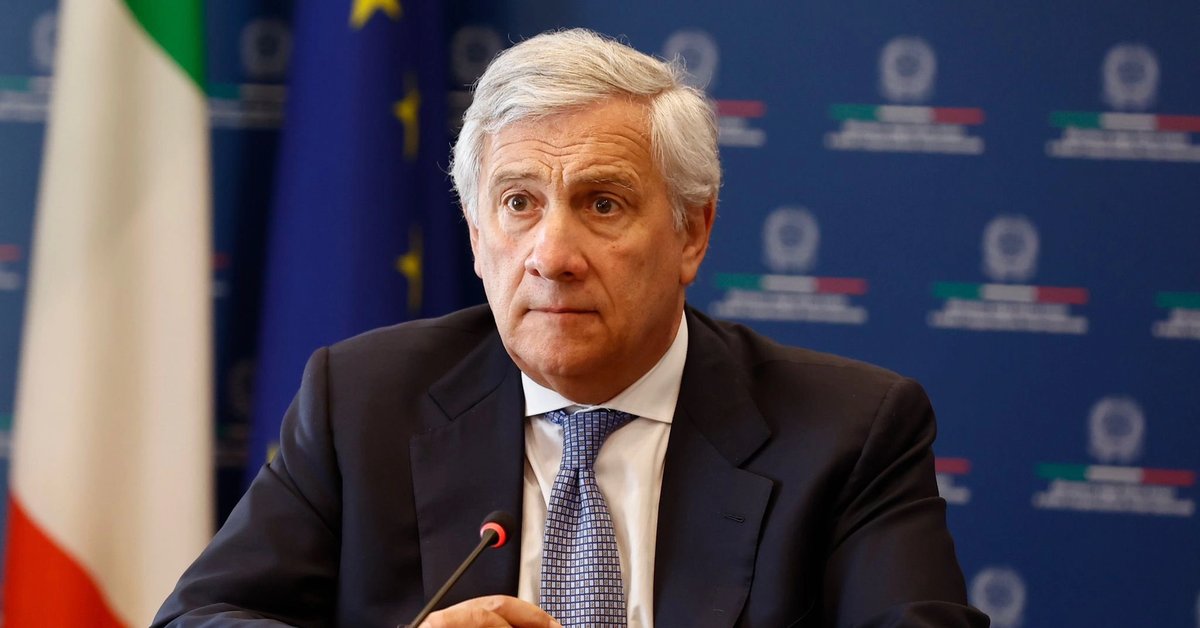
Italy’s Foreign Ministry said the Lion and Sun flag emoji — used on Iran’s national flag before 1979 and now widely adopted by opponents of the Islamic Republic — was removed from Foreign Minister Antonio Tajani’s X post solely because of a technical issue, not external pressure.
A cleric tied by marriage to Iran's ruling family has declared the Islamic Republic obsolete, telling followers that a shadow government already exists and urging them to build a 250,000-strong network to replace the system with an "Islamic government.
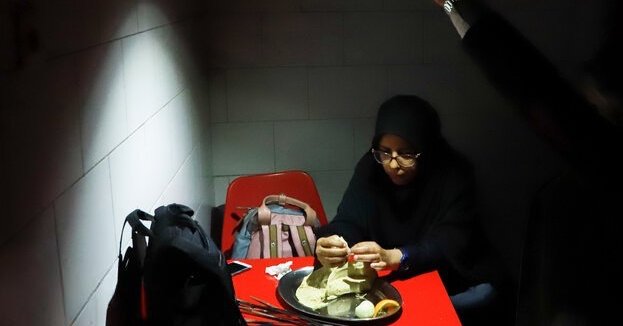
In Iran, the authorities call it a scheduled outage. The electricity will be disconnected for two hours. The water may return later in the evening.
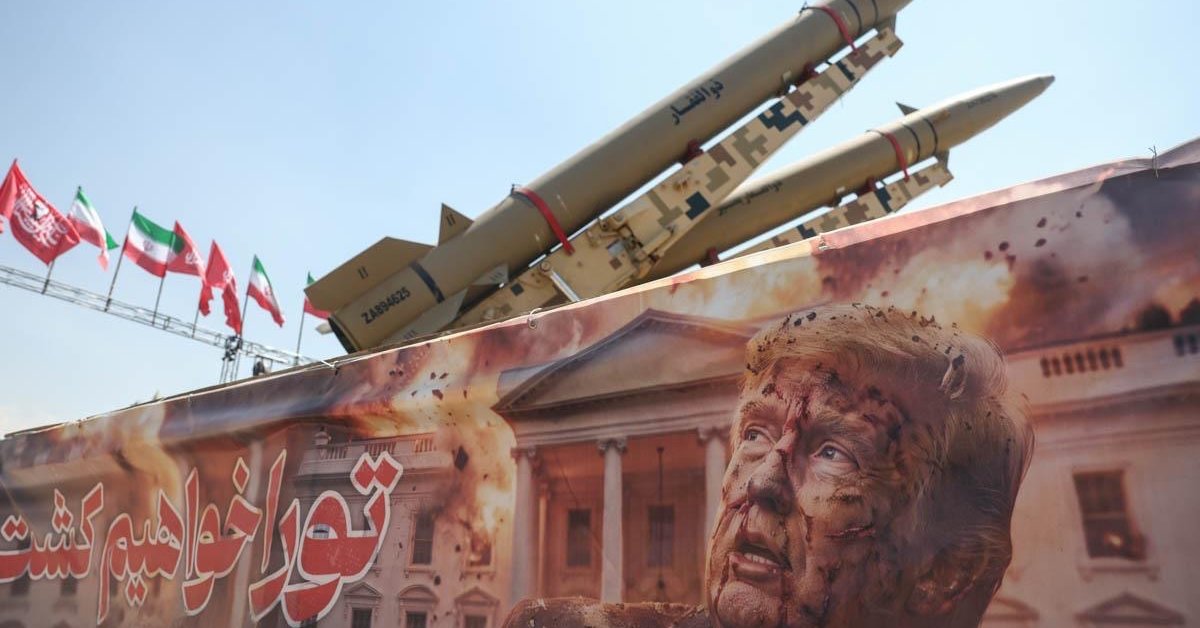
A return to the pre-war status quo between Iran and the United States now appears out of reach for both sides, despite their competing claims of victory.
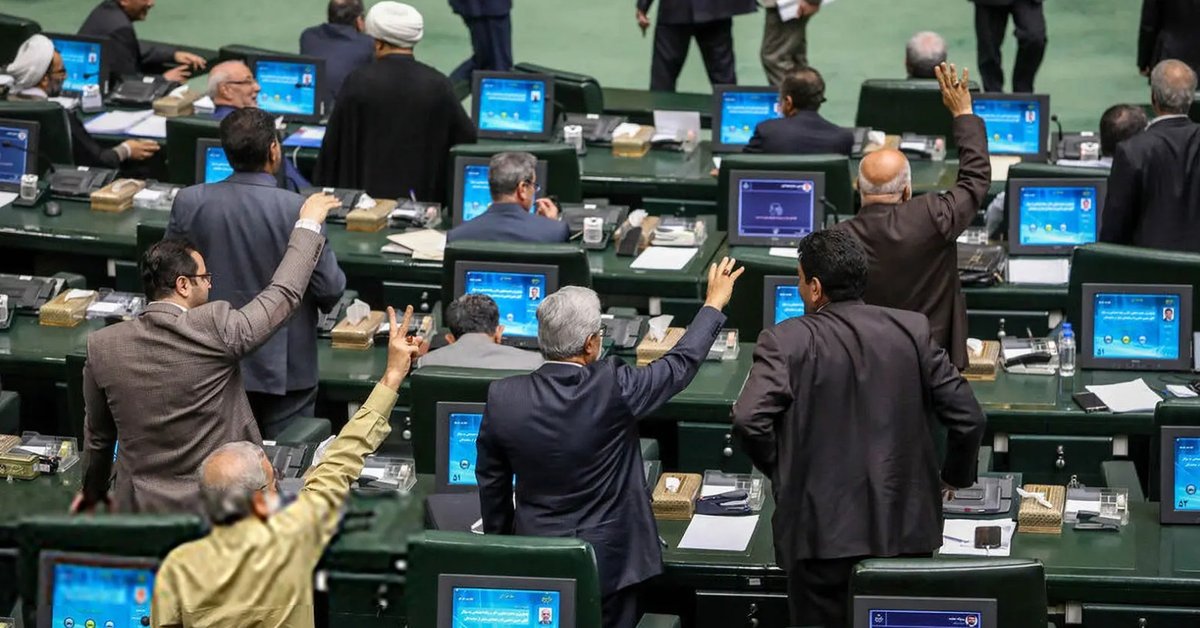
Iran's parliament has become all but irrelevant since the war, as power has shifted further toward the Revolutionary Guards and decision-making has moved ever deeper behind closed doors amid the unresolved leadership transition.
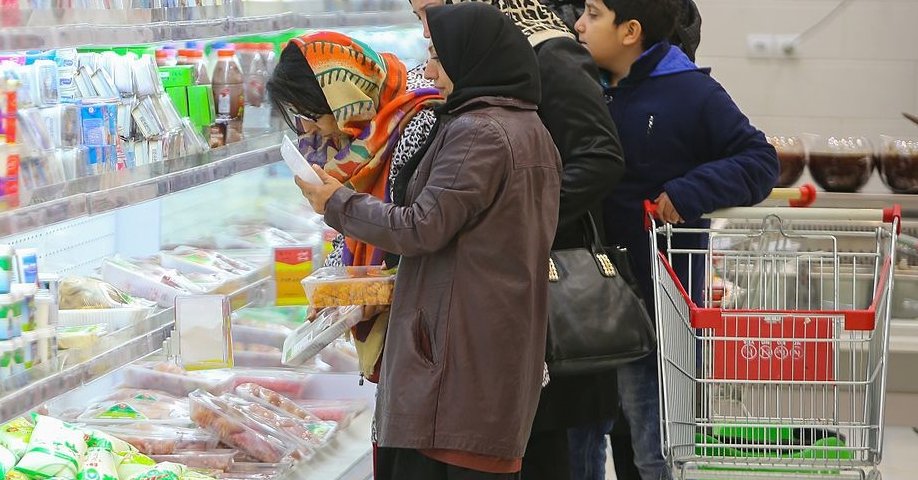
The latest figures released by the Statistical Center of Iran offer the starkest assessment yet of the country's economy, as record inflation intensifies debate over whether the war or government mismanagement is primarily to blame.
Prospects for reopening the Strait of Hormuz remained uncertain Tuesday as Washington said an agreement could come by Wednesday, while Tehran linked normal shipping to transit fees, sanctions relief, security guarantees and an end to the US naval blockade.
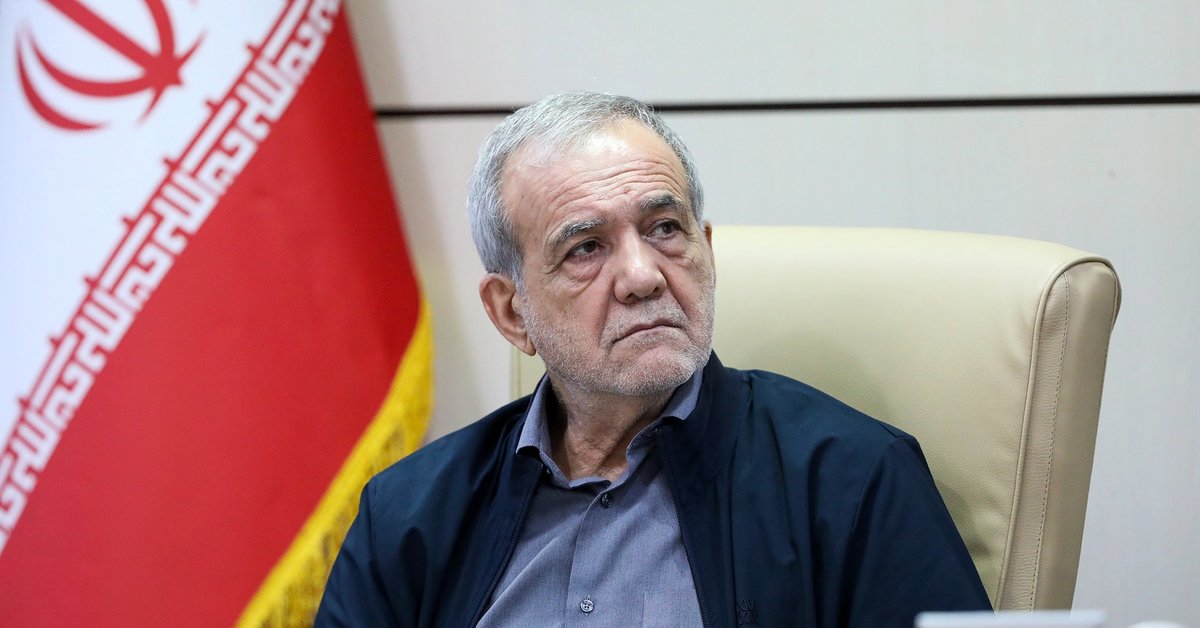
Iran's president was driven to a secret location in Tehran, led into the back seat of a car with tinted windows, and granted a few minutes in the dark beside a man he could not see. Afterwards, Masoud Pezeshkian asked whether the voice had really been the supreme leader's.
Donald Trump's decision to abandon a planned large-scale military strike against Iran has accelerated regional diplomatic efforts to revive US-Iran negotiations, while deepening political divisions inside Tehran over engagement with Washington.
Formal backchannel negotiations between Iranian and Western envoys resumed in Muscat on Monday after President Donald Trump suspended strikes on Iran's energy infrastructure over the weekend, even as Tehran publicly denied direct contacts with Washington.
Prospects for renewed US-Iran diplomacy remained uncertain on Monday as Washington and Tehran offered sharply different accounts of whether negotiations had already begun.
Iran’s Supreme Leader Mojtaba Khamenei has warned President Masoud Pezeshkian that his next resignation would be accepted, a relative of Khamenei by marriage said in a video released Monday, prompting sharp denials and political backlash.
Diplomatic efforts to reopen the Strait of Hormuz accelerated on Sunday after US President Donald Trump called off a planned attack on Iran, with Tehran saying negotiations with Oman were nearing completion and mediators outlining a proposal to revive US-Iran talks.
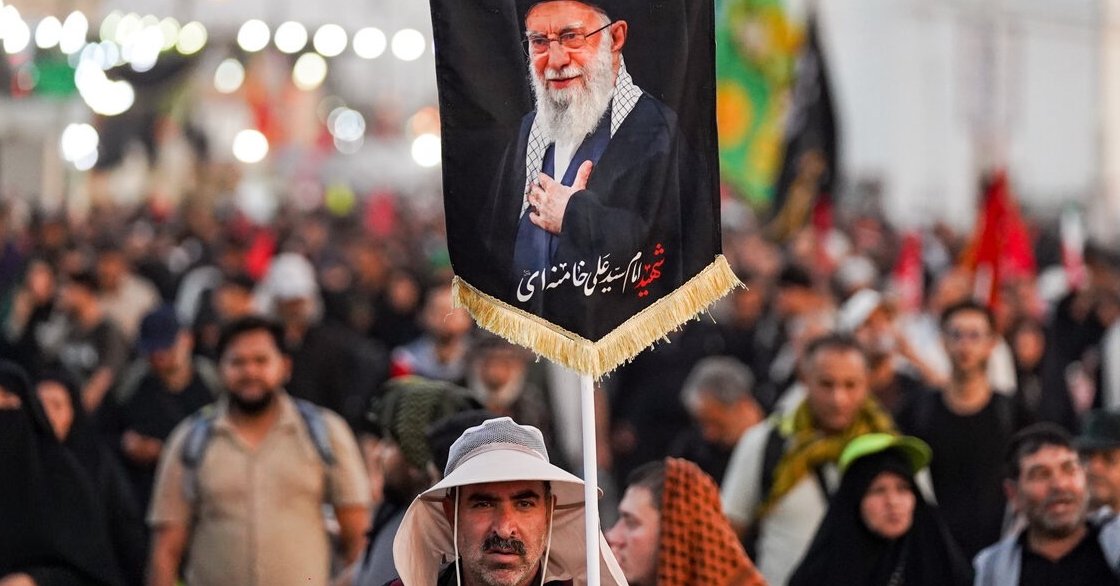
Iranian parliament speaker Mohammad Bagher Ghalibaf said authorities rushed to announce Ali Khamenei’s death and call supporters onto the streets after “overseas media” broke the news, fearing the situation on the streets could otherwise “take a completely different turn.
Iran's state broadcaster has ignored a formal order from its own watchdog to stop censoring senior officials, highlighting the gap between the country's formal institutions and where authority is exercised in practice.