Middle East: Deadly weekend in Lebanon, continued violence in Gaza
The humanitarian situation in Lebanon continues to deteriorate despite the ceasefire announced last month with Israel, the United Nations said on Monday.
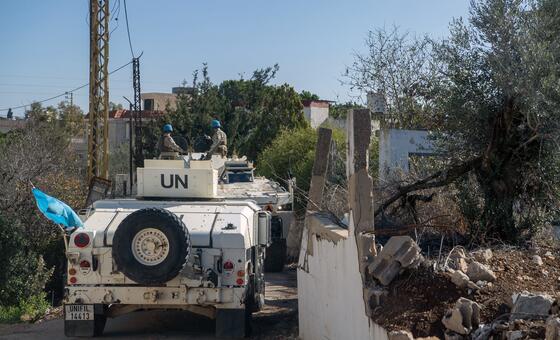
The fragile ceasefire in Lebanon hasn’t prevented “ongoing killing and displacement”, with villages in the south of the country rendered completely unrecognizable after Israeli strikes, aid teams reported on Friday.
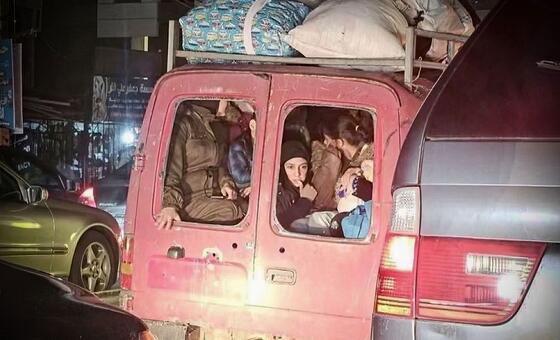
An Israeli airstrike overnight on the southern suburbs of the Lebanese capital Beirut has sparked a new wave of displacement among civilians already impacted by months of conflict, the United Nations said on Thursday.
The UN human rights office on Wednesday called on Israel to immediately release two members of the Global Sumud Flotilla detained in international waters, warning that solidarity with Palestinians and attempts to deliver humanitarian aid to Gaza “is not a crime.
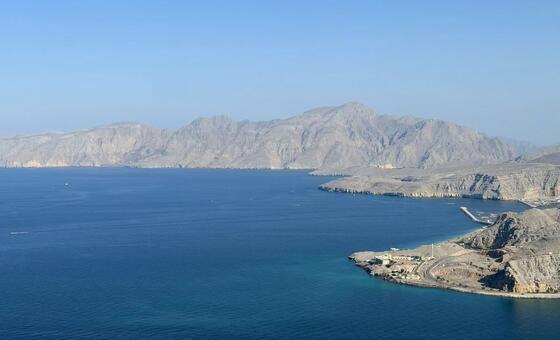
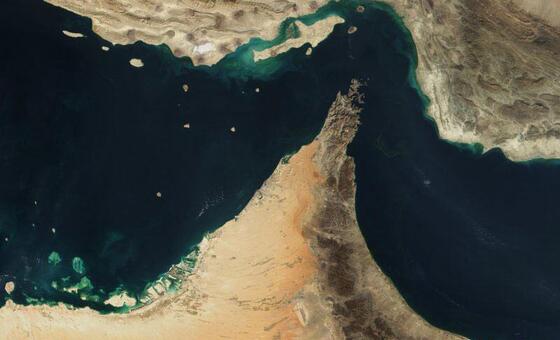
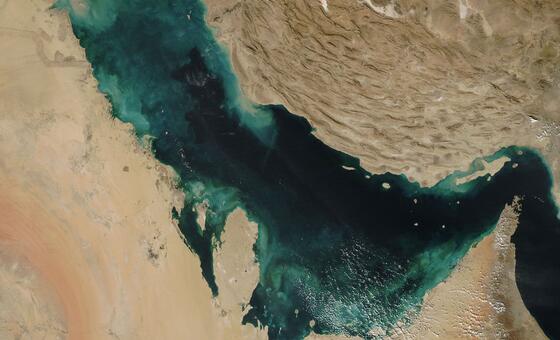
As the crisis in the Strait of Hormuz continues, the United Nations reiterates its commitment to support efforts towards peace, UN Spokesperson Stéphane Dujarric said on Wednesday during his media briefing from New York.
Death and destruction have continued unabated in Lebanon while communities are still unable to return to their homes despite a ceasefire that began on 17 April, humanitarians said on Tuesday.
Amid claims and counter-claims of strikes and confrontations in the crucial Strait of Hormuz between Iran and the United States, UN maritime officials continue to urge vessels to exercise “maximum caution”.
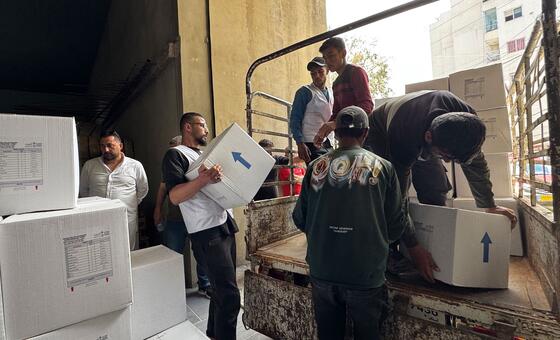
Lebanon’s fragile ceasefire is being tested by renewed violence and rising humanitarian needs amid continuing civilians displacement, services under pressure and aid cuts.
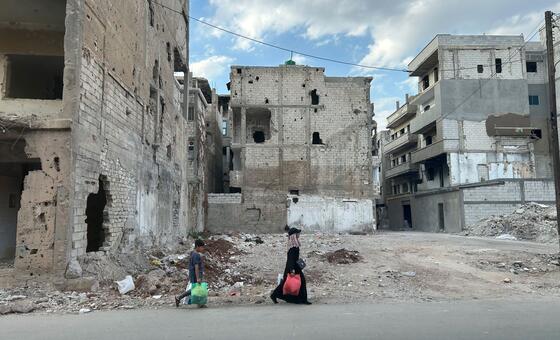
The UN has formally concluded its cross-border humanitarian operations from Türkiye into Syria, marking the end of an 11-year mission that served as one of the most complex supply chains in the organization’s history.
Strain on food, fuel and aid systems continues as the global impacts of the Middle East crisis deepen. Rising oil prices, supply disruptions and mounting transport costs are affecting humanitarian operations and access to essential goods far beyond the region. Stay with us for live updates.
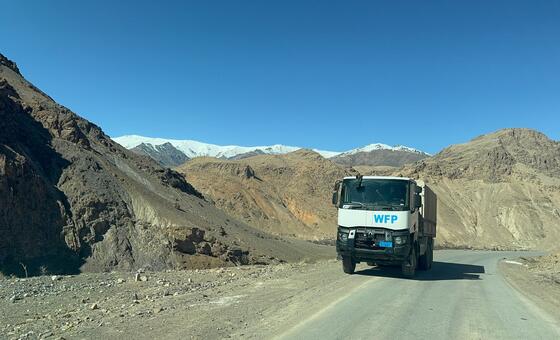
As the Middle East crisis continues the humanitarian fallout is worsening, with aid route disruptions and food and fuel price hikes wrecking the lives and the rights of the most vulnerable people worldwide, UN agencies warned on Friday.
With no end in sight to the shipping stand-off in the Strait of Hormuz and as Brent crude oil prices hovered at around $118 in trading on Thursday, the prospect of running out of fuel, gas and more has focused attention in the world’s capitals on finding solutions, quickly.
At least nine people were reported to have been killed in southern Lebanon on Thursday, as ongoing hostilities continue to exact a heavy toll on civilians and drive a worsening humanitarian crisis marked by rising hunger and strained public services.
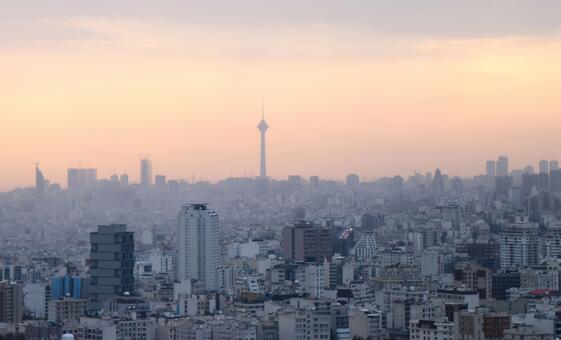
The UN’s top human rights official warned on Wednesday that Iranians’ rights are being eroded in “harsh and brutal ways,” citing a surge in executions, mass arrests and alleged abuses amid a widening crackdown on dissent during the ongoing conflict.
The Security Council turns again to the Middle East crisis in New York on Tuesday, with scheduled debate expected to focus on the fragile Gaza ceasefire, a worsening humanitarian crisis there and efforts to advance a US-backed peace plan. UN Assistant Secretary-General for political affairs Khaled Khiari is set to brief, alongside former UK Prime Minister and member of the US-led Board of Peace Tony Blair. You can follow all the UN's meetings coverage here but follow live and in-depth updates below.
Disruptions in the Strait of Hormuz continue to send shockwaves through global food systems, the UN Food and Agriculture Organization has warned, as a widening crisis across the Middle East continues to strain humanitarian operations and deepen instability.
The recently extended ceasefire between Israel and Lebanon remains under strain as violence continues, with civilian deaths and injuries reported in Israeli strikes over the weekend. Meanwhile, the UN Security Council is set to hold a high-level debate on maritime security amid ongoing concerns over the safety of key global waterways. Stay with us for live updates.
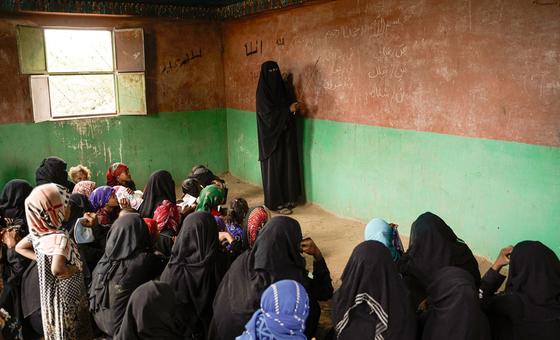
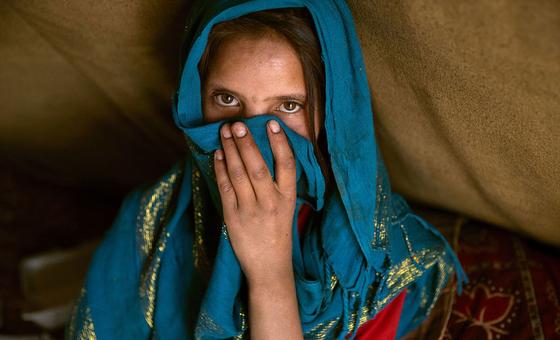
Restrictions on girls’ education and women’s employment in Afghanistan could leave the country with a deficit of over 25,000 female teachers and health workers by 2030, the UN Children’s Fund (UNICEF) warned on Tuesday.
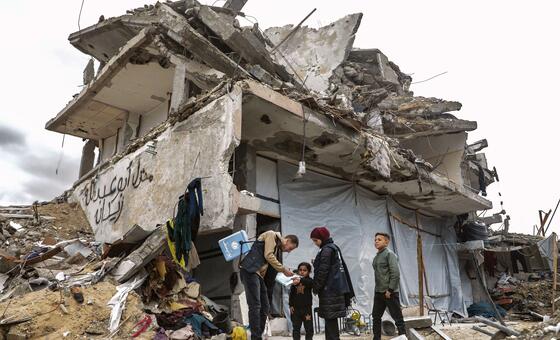
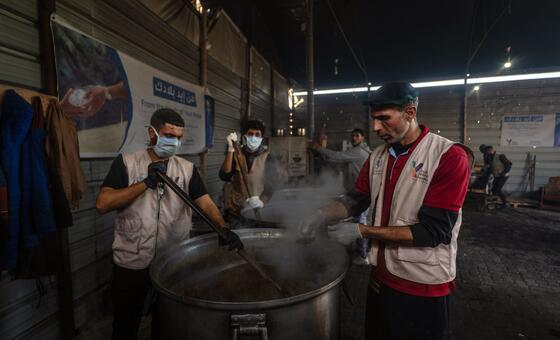
Desperate and dangerous conditions in Gaza continue to hamper recovery efforts for the wartorn enclave's people, the UN health agency said on Friday, while demining experts warned that they’ve “barely scratched the surface” in assessing the level of contamination of unexploded ordnance.
The United States has announced that the Israel-Lebanon ceasefire will be extended by three weeks following talks in Washington, offering a potential pause in hostilities. Meanwhile, humanitarian concerns persist across the region, including in Gaza and Iran. Stay with us for live updates.