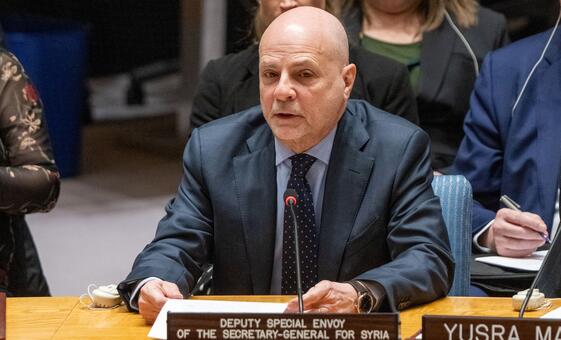
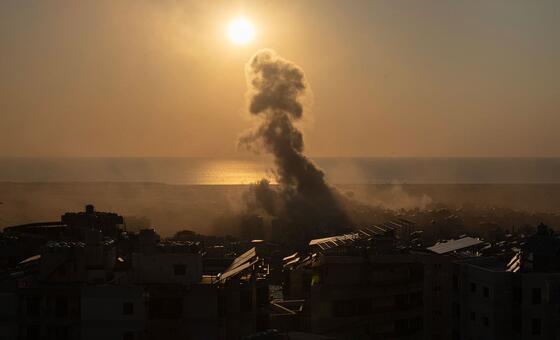
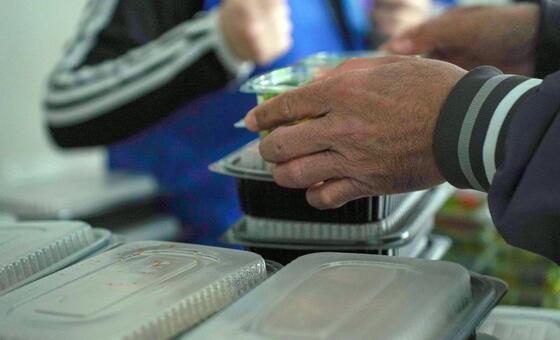
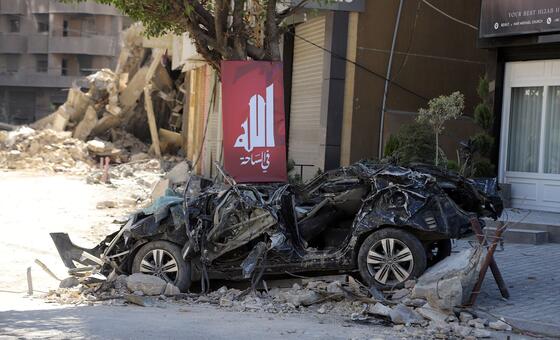
The international community must step up efforts to support Syria amid the current conflict raging in the Middle East, two senior UN officials told the Security Council on Wednesday.
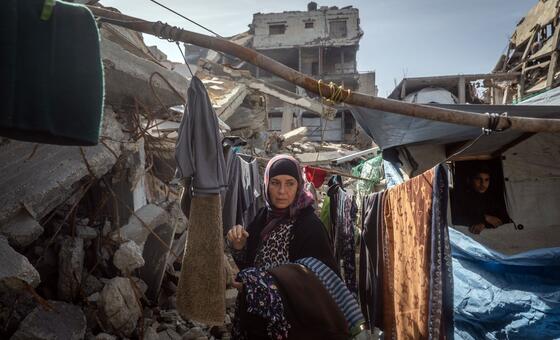
The crisis in the Middle East continues to intensify, with strikes and counter-strikes reported across the region and the humanitarian toll rising. UN agencies warn that health systems are under growing strain, children are increasingly affected by violence and displacement, and hundreds of thousands of people have been forced from their homes. Despite mounting logistical and security challenges, UN agencies are scaling up emergency aid as the conflict’s impact spreads across the region and beyond.
The crisis in the Middle East has entered its third week, with fighting continuing across the region and humanitarian needs rising. Oil prices remain near $100 a barrel, while shipping disruptions and temporary flight suspensions are affecting travel and supply chains. Despite mounting logistical and security challenges, UN agencies are scaling up emergency aid, warning that displacement, food insecurity and pressure on health systems are growing as the conflict’s impact spreads.
The widening war in the Middle East and its growing impact on civilians came under scrutiny at the UN in Geneva on Monday, as independent experts briefing the Human Rights Council warned of escalating violence following the onset of Israeli and US strikes on Iran and counterstrikes by Tehran and allied groups.
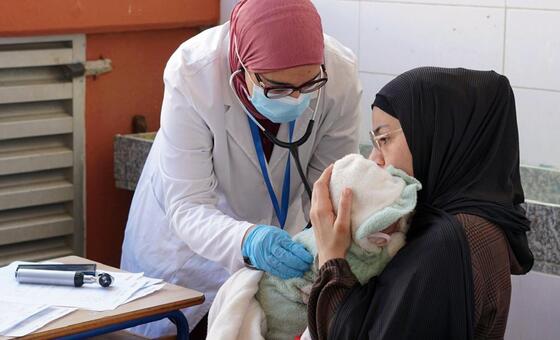
The UN World Health Organization (WHO) is releasing another $2 million in emergency funds to support health systems in Lebanon, Iraq and Syria as strikes against Iran by the US and Israeli continue amid counterstrikes across the Gulf and wider region by Tehran.
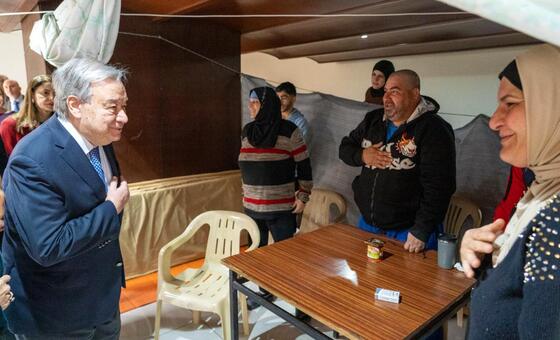
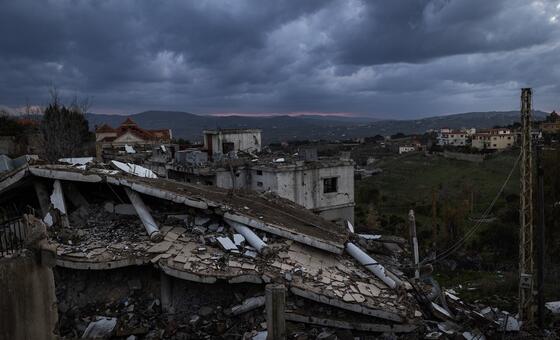
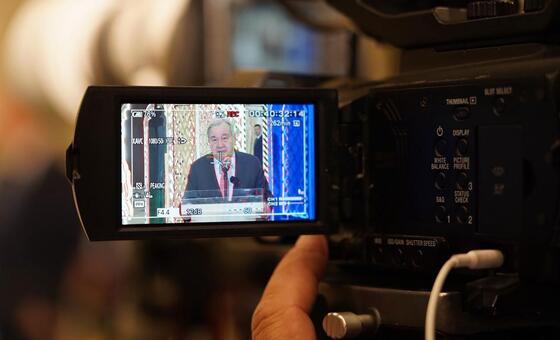
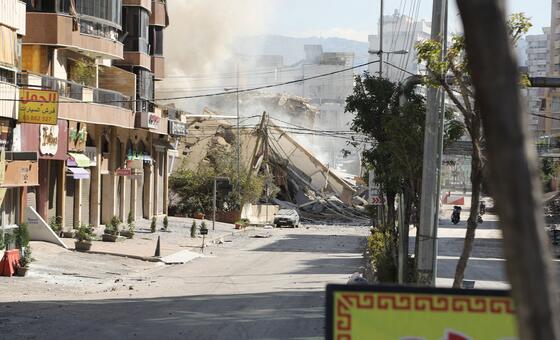
The UN Secretary-General on Saturday called on the international community to intensify support for the Government and people of Lebanon, warning that the south of the country “risks being turned into a wasteland.
Escalating hostilities across the Middle East continue to drive civilian casualties, mass displacement and mounting humanitarian needs. Fighting along the Israel-Lebanon border has intensified, while millions across the region face growing risks from disrupted health services, overcrowded shelters and strained aid operations. UN agencies warn that children and vulnerable families are bearing the brunt as the conflict deepens and regional stability remains under severe pressure.
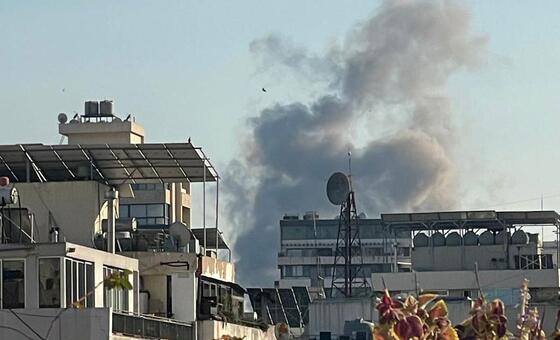
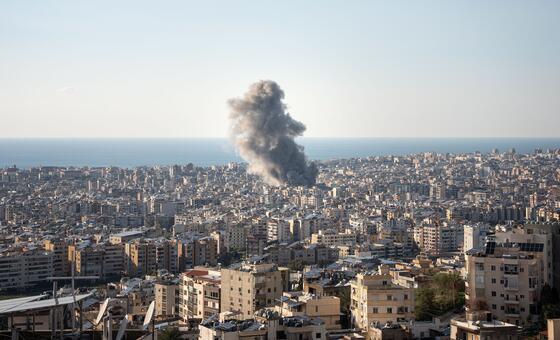
As the UN Secretary-General touched down in Beirut on Friday in solidarity with the people of Lebanon, UN agencies highlighted the dangers for civilians and particularly pregnant women and migrant workers, amid ongoing airstrikes and rocket fire between Hezbollah fighters and Israel.
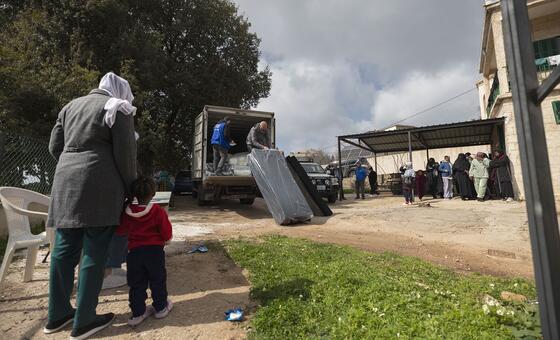
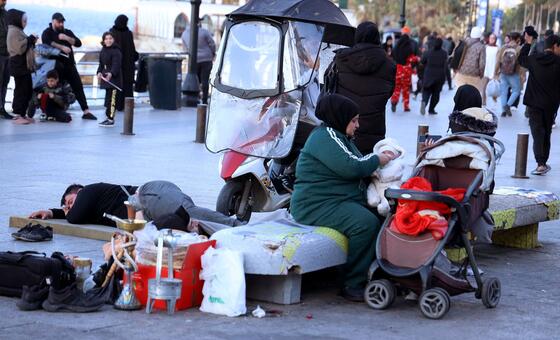
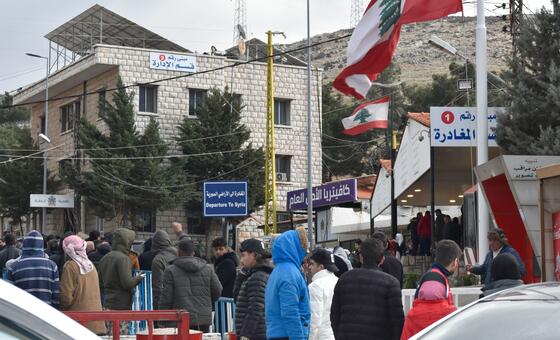
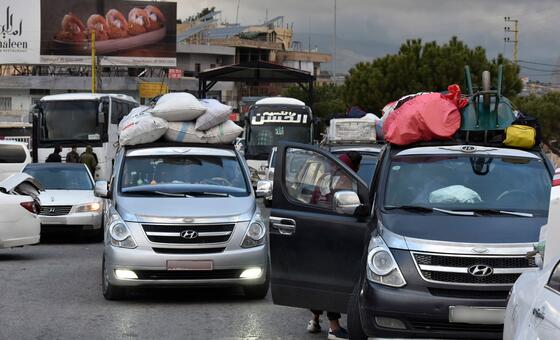
In a solidarity visit to the war-ravaged capital of Lebanon, the UN chief on Friday announced a flash humanitarian appeal of $308. 3 million to support civilians there, after ongoing Israeli strikes countering rocket launches from Hezbollah left around 816,000 Lebanese internally displaced, a figure that looks set to rise.
The crisis in the Middle East continues to reverberate across the region and beyond. Oil prices have climbed to around $100 a barrel as attacks on shipping and energy infrastructure disrupt key supply routes. Strikes and counterstrikes between Israel, Hezbollah and Iran continue, while ships have reportedly been hit in the Strait of Hormuz and the Gulf of Oman, raising fears of wider shocks to global markets.
Lebanon is facing a “perfect storm of unpredictable challenges” as conflict, mass displacement and dwindling humanitarian resources converge, the UN’s Resident and Humanitarian Coordinator in Lebanon, Imran Riza, has warned.
As the war in the Middle East enters its twelfth day, the UN has continued to call for all parties to ensure that civilians are protected across the region, in line with international law and the United Nations Charter. Stay with us for updates from across the United Nations system.
The UN’s emergency relief chief on Wednesday condemned the “$1 billion-a-day” cost of the war in the Middle East, at a time when humanitarian needs are soaring and aid funding is falling dangerously short.
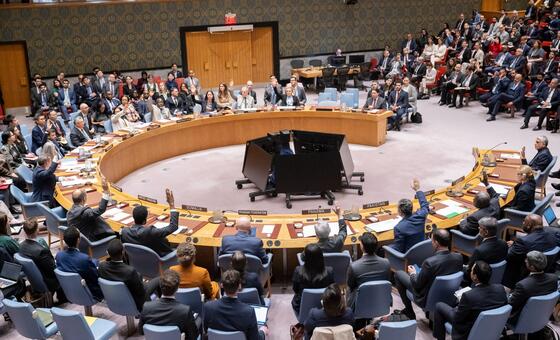
As war continues in the Middle East, the UN Security Council on Wednesday adopted a Bahrain-led resolution condemning Iranian attacks on several regional states, while a separate draft resolution introduced by Russia on the wider crisis failed to pass.
The conflict in the Middle East continues, with strikes and counter-strikes across the region and the humanitarian toll mounting. UN agencies warn that rising civilian casualties, mass displacement – particularly in Lebanon – and damage to critical infrastructure are deepening the crisis, while disruptions to shipping and energy routes risk driving up global prices and worsening food insecurity. Stay with us for updates from across the United Nations system.
Toxic “black rain” linked to strikes on oil depots, mass displacement and continuing disruption to aid supply chains are upending lives across the Middle East and beyond after 10 days of war in the region, UN humanitarians said on Tuesday.
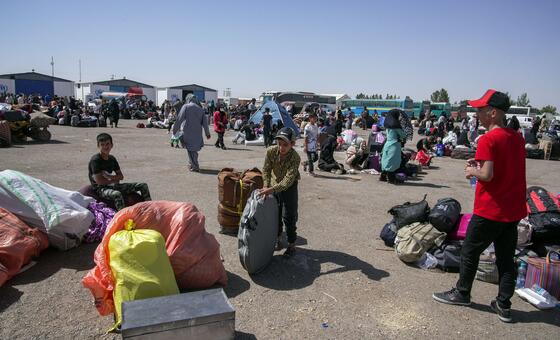
On day 10 of the war engulfing the Middle East, UN agencies on Monday reported massive displacement across the region, along with surging food and fuel prices that risk increasing hunger and suffering for the most vulnerable.
Lebanon has been “dragged back into a state of turmoil and violence”, the UN’s top envoy in the country warned on Saturday, after the latest round of regional strikes triggered a fast‑escalating crisis along the Blue Line. What had been fragile but real momentum, she said, has now collapsed in a matter of days.
Violence across the Middle East is continuing as military strikes and counter-strikes are reported in several countries across the region, raising fears of wider instability and worsening humanitarian conditions. UN agencies warn the crisis is affecting at least 16 countries, with civilian casualties, displacement and damage to vital infrastructure increasing. Follow our live coverage for updates and reaction from across the United Nations system.