World leaders welcome Iran-US deal, back path to final agreement
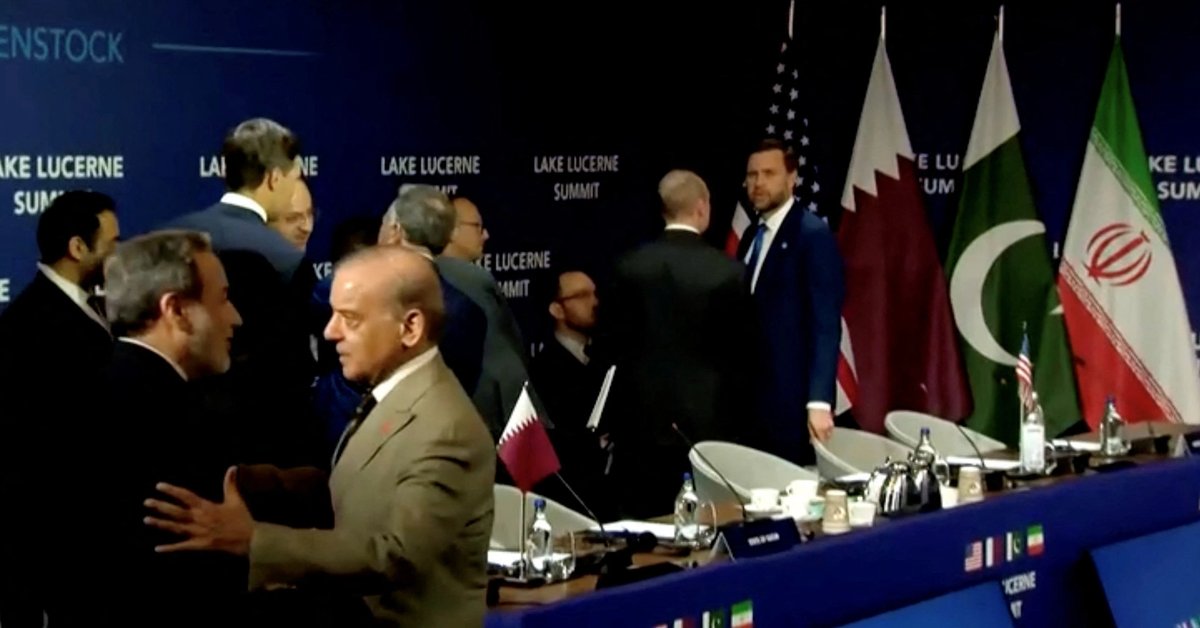
World leaders welcomed the agreement between Iran and the United States to end months of conflict, expressing support for the ceasefire and the negotiations expected to follow.
Iran's state-affiliated Mehr News on Sunday published what it described as details of a 14-point draft memorandum of understanding between Tehran and Washington, provides for the release of $24 billion in frozen Iranian assets during the 60-day talks
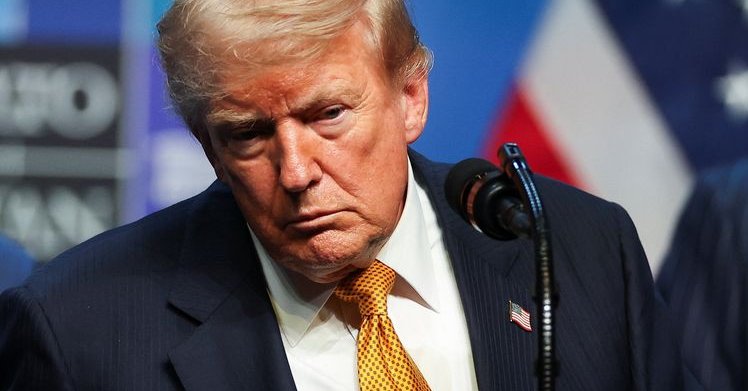
A former US diplomat warned that President Donald Trump may be underestimating the Islamic Republic's resilience, arguing that Tehran's leadership has repeatedly demonstrated its ability to withstand military and economic pressure.
As Washington and Islamabad push for a preliminary agreement with Iran, experts say the unresolved fight over Lebanon could determine what the region looks like after the war and how much influence Iran retains.
A US-Iran deal may be within days, but Tehran’s path to signing is being clouded by hardline backlash, disputes over nuclear terms and frozen funds, and fresh military tension around the Strait of Hormuz.
Canada’s response to the latest Iran crisis reflects the contradiction at the heart of Western policy toward Tehran: a continued call for diplomacy with a government it simultaneously treats as a source of terrorism, repression and regional instability.
Iran’s foreign minister said a Memorandum of Understanding with the United States could be signed remotely in the coming days, even as Tehran said the text was not final and hardliners attacked both the emerging deal and his handling of its public messaging.
Hours after threatening to hit Iran “very hard,” President Donald Trump said a deal with Tehran was close, leaving Iranian officials to balance threats of retaliation with signals that talks over Hormuz, sanctions relief and a fragile ceasefire are still alive.
A UK minister said new state-threat legislation could give the Home Secretary power to act against hostile state-backed threats, as lawmakers pressed the government over the IRGC, Iran-linked proxy groups and threats to UK-based journalists and Jewish communities.
The US State Department is investigating NIAC founder Trita Parsi and weighing whether to revoke his green card, The Free Press reported, in a case that revives long-running questions over Tehran’s influence in Washington.
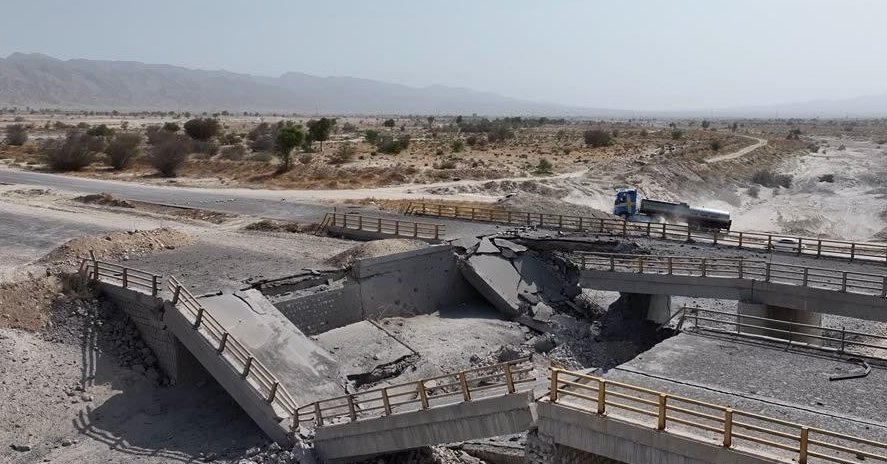
A strike on the Karoon Petrochemical complex in southwestern Iran on Monday put the spotlight on a key industrial facility with roles in both civilian production and sectors tied by Israel and Western governments to Iran's military capabilities.
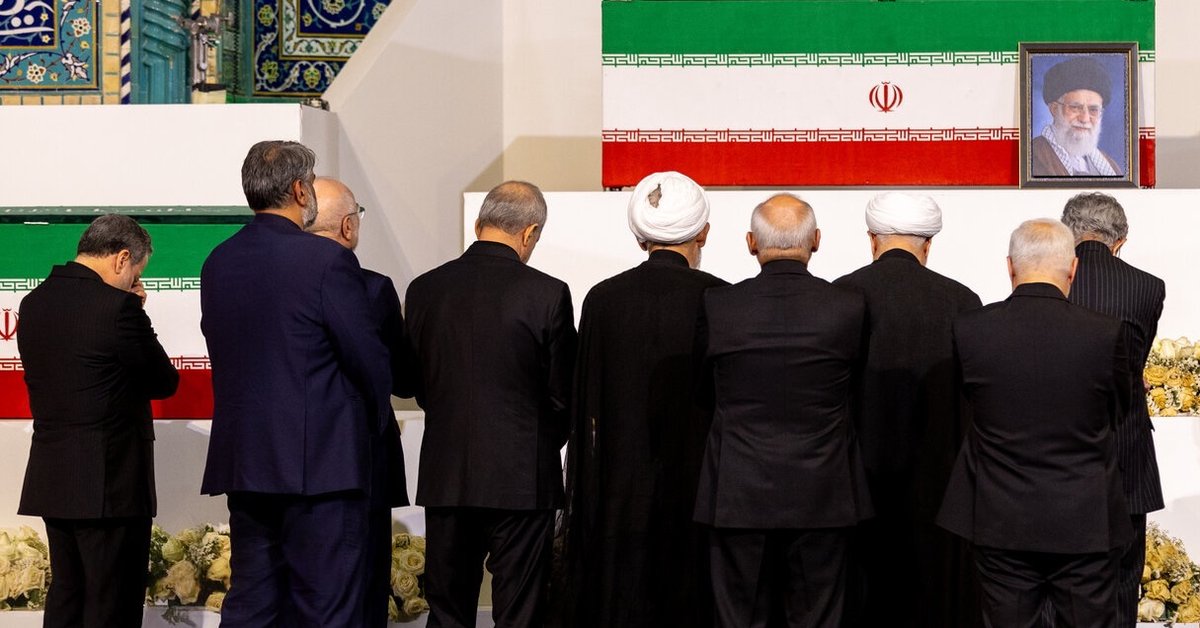
One hundred days after former Supreme Leader Ali Khamenei was killed in an attack on his office in Tehran, the Islamic Republic has yet to bury the man who led the country for more than three decades.
For decades, a dangerous illusion governed the Persian Gulf. Arab capitals knew the Islamic Republic was hostile. Yet, they believed the threat could be managed.
As US-Iran talks stall over Tehran's demand for billions of dollars in frozen assets, the Trump administration faces a familiar challenge: whether it can force a deal before Iran's long-standing strategy of delay reshapes the terms of negotiation.
As indirect contacts between Tehran and Washington continue and regional actors push to keep negotiations alive, competing signals continue to emerge from Iran's political establishment.
Iranian officials and hardline media are signaling a tougher stance toward Washington after the most serious US-Iran military exchange in weeks, even as President Donald Trump says negotiations are progressing and an Iran deal may still be within reach.
Three Iranian Kurdish opposition groups denied Israeli media reports that the Mossad and CIA had armed Kurdish fighters as part of a plan to help bring down Iran’s government.
As Iran grapples with its most severe crisis since 1979, a new book by journalists Yeganeh Torbati and Bozorgmehr Sharafedin is revisiting how a revolution built on promises of justice and equality turned into what the authors describe as a mafia state.
Shortages and rising prices of addiction treatment medicines are disrupting care for many people with substance dependence in Iran, raising concerns that patients could relapse or turn to more dangerous drugs, a former addiction treatment official said on Thursday.
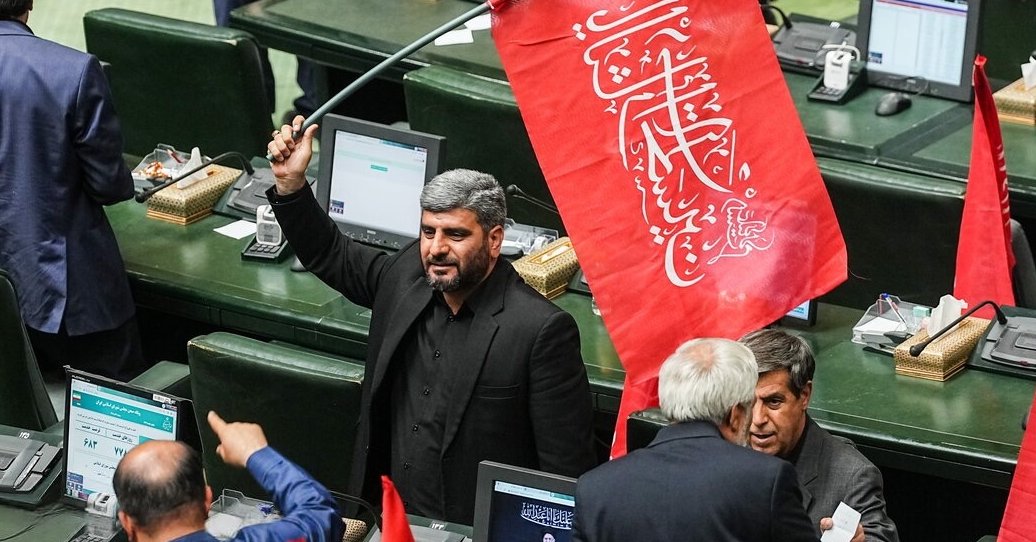
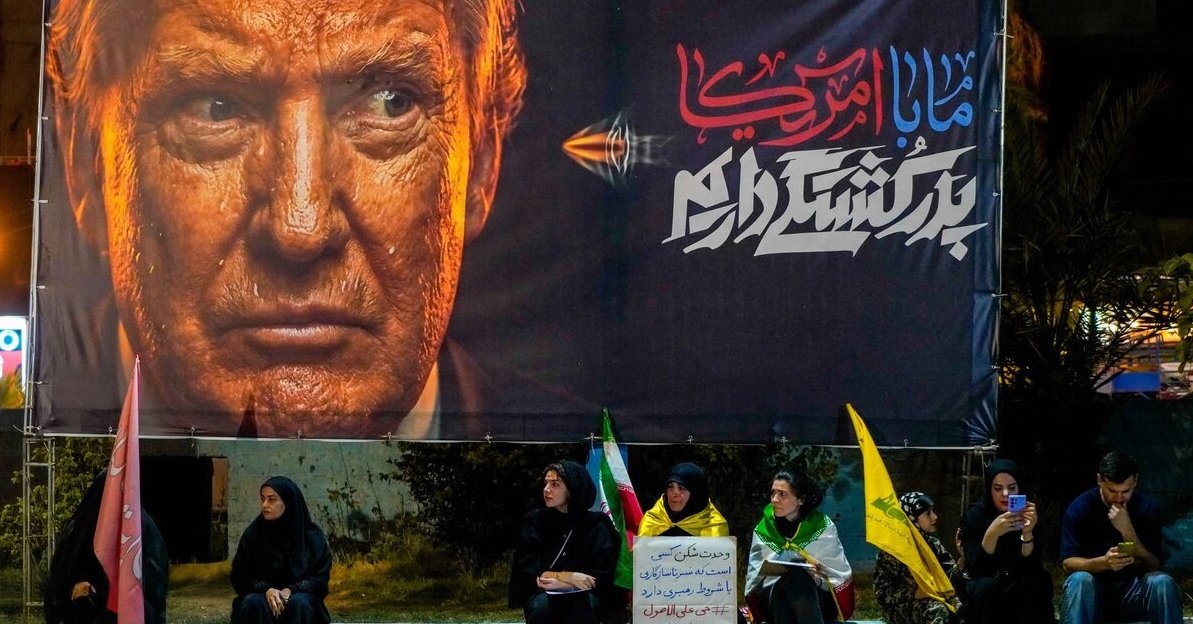
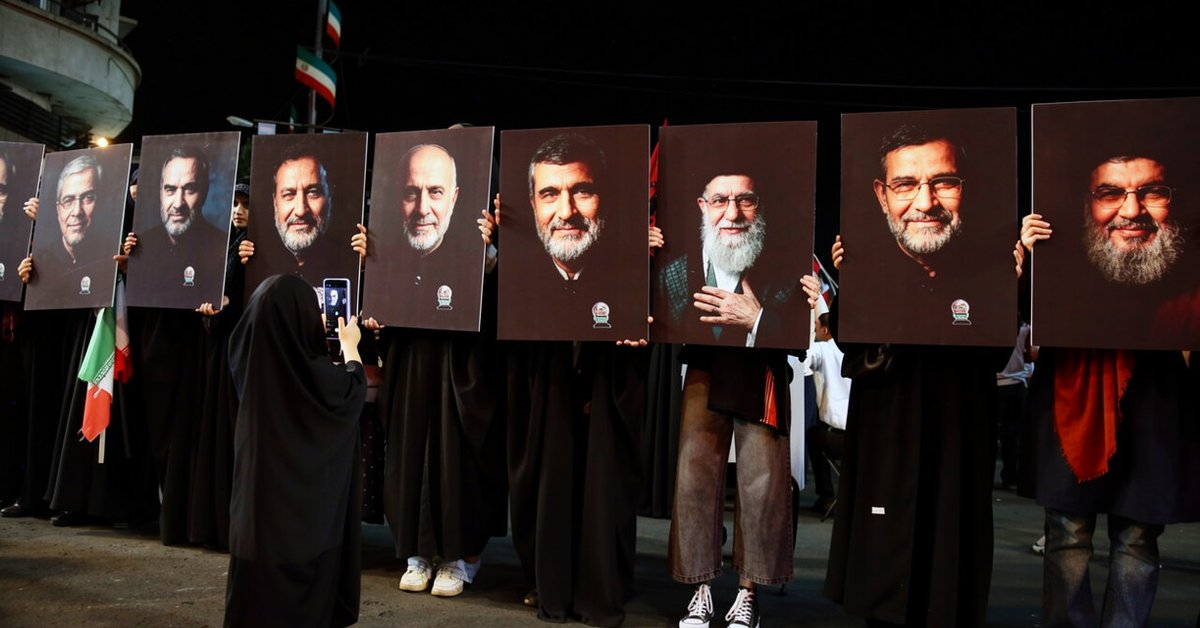
Supporters of the ultra-hardline Paydari Front were removed earlier this week from nightly state-organized rallies backing the Islamic Republic, in an apparent effort to contain hardline pressure as talks with the United States continue, Iran International has learned.