The Three Snakes of Zahhak
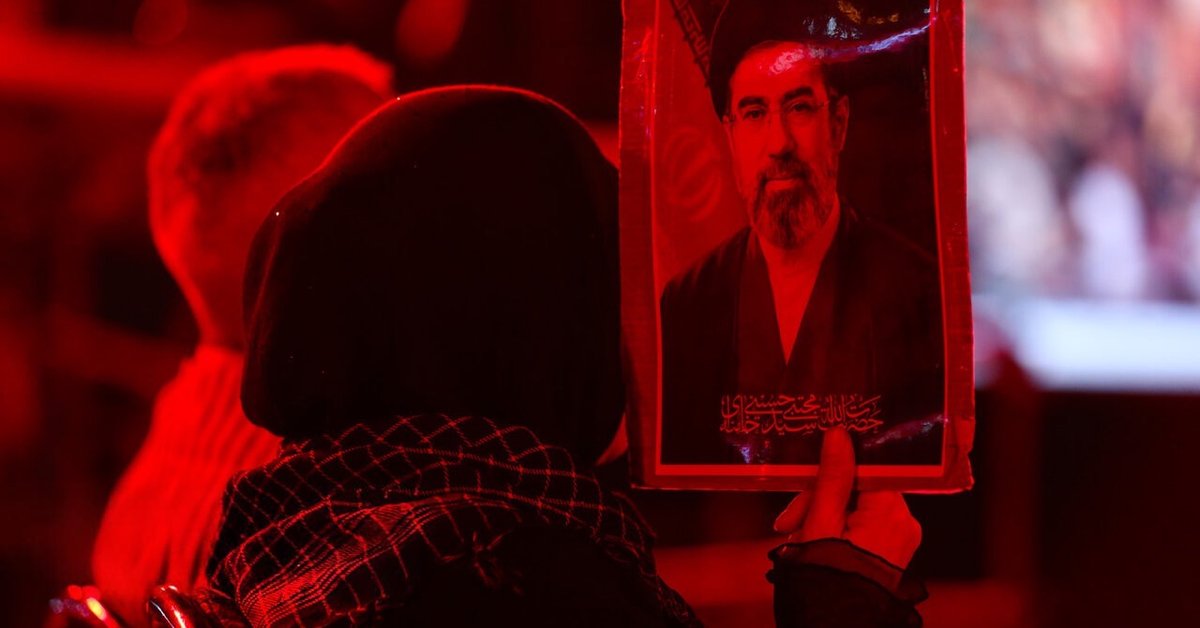
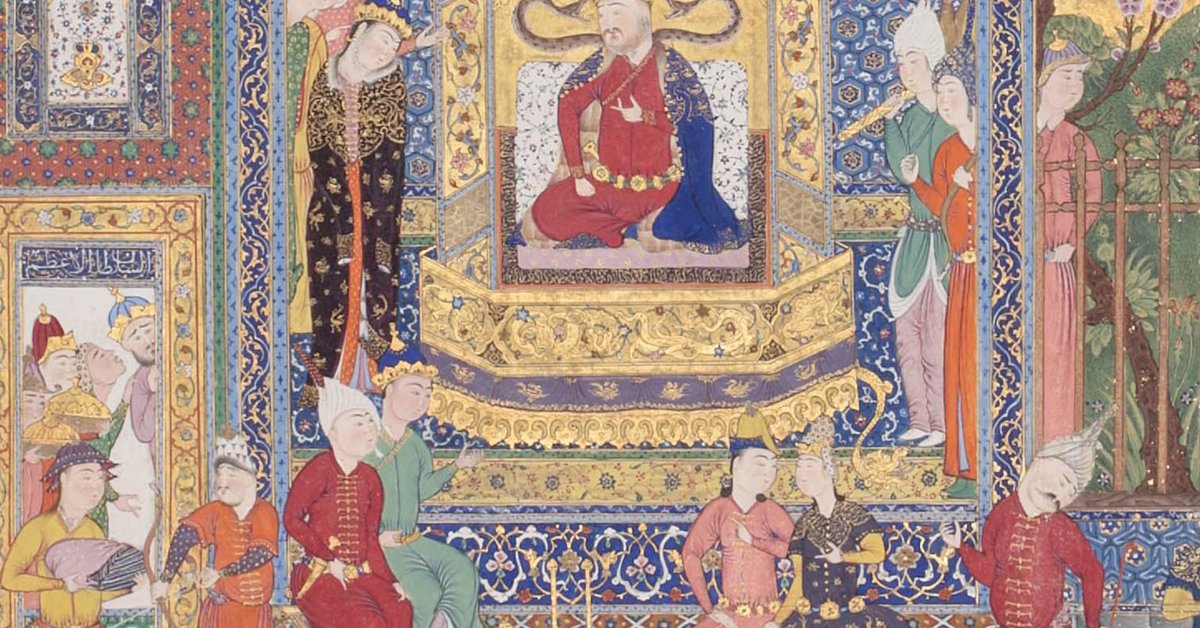
In the Persian classic Shahnameh, Ferdowsi tells the story of Zahhak, the usurper king who is kissed on each shoulder by Ahriman, the spirit of evil, and finds two black snakes growing from the wounds.
In the Persian classic Shahnameh, Ferdowsi tells the story of Zahhak, the usurper king who is kissed on each shoulder by Ahriman, the spirit of evil, and finds two black snakes growing from the wounds.
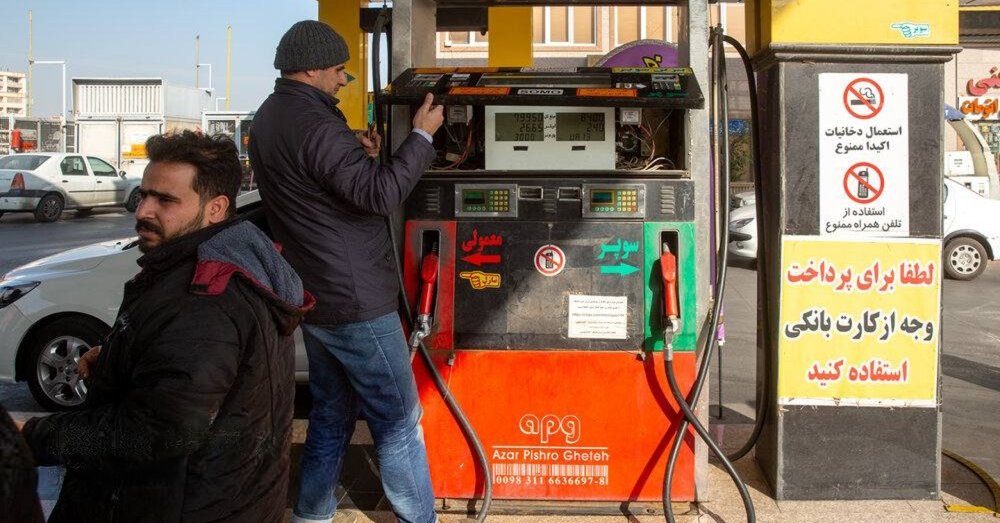
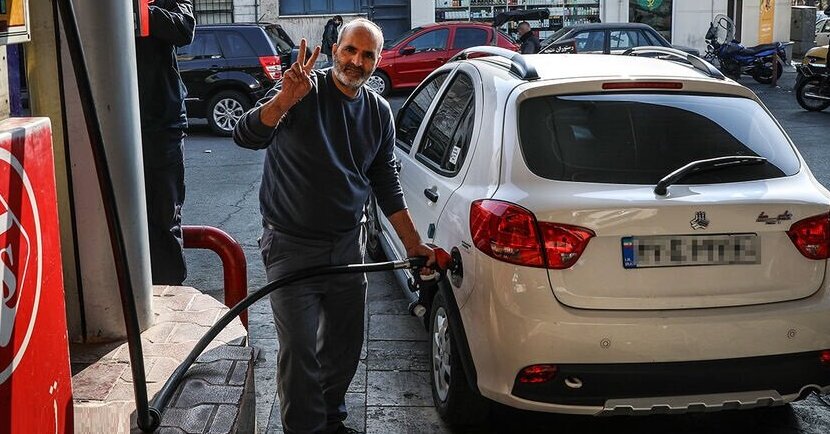
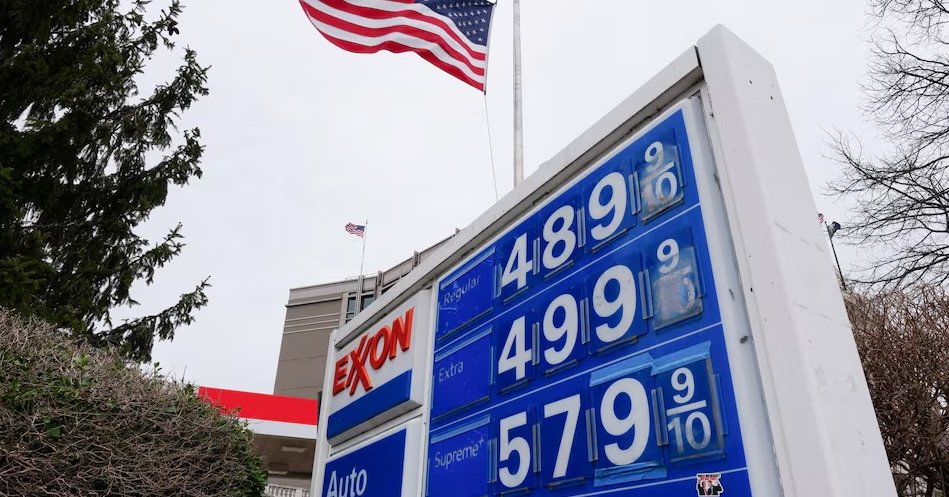
Iran’s government is considering three proposals to curb gasoline consumption as war damage, import difficulties and a widening gap between domestic production and demand put growing pressure on fuel supplies.
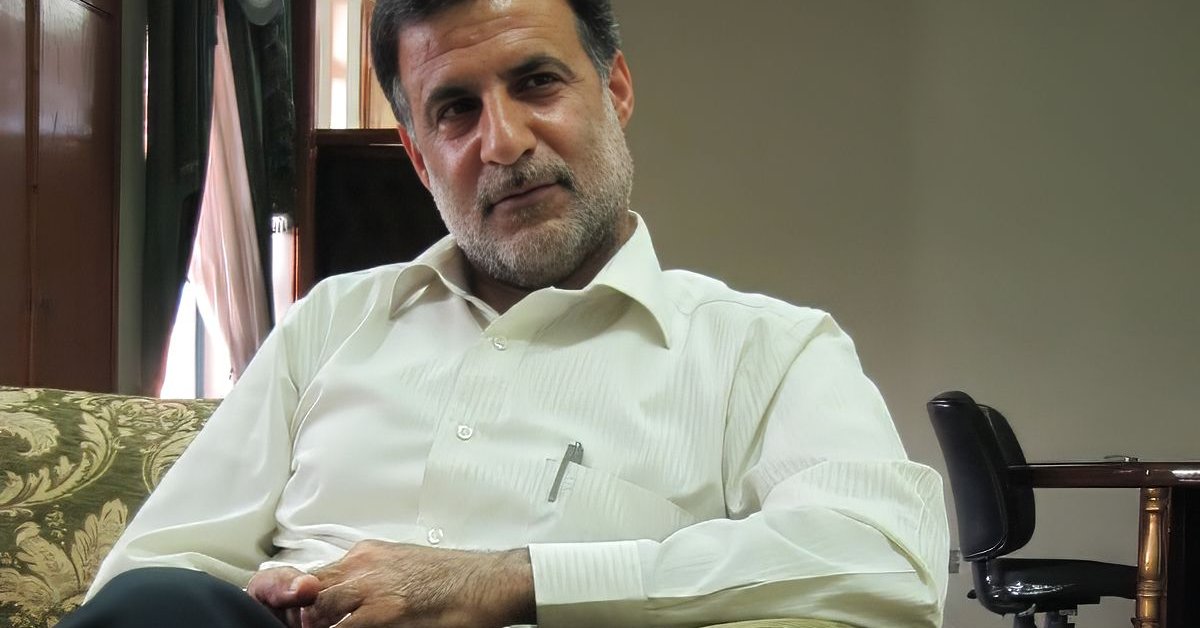
Jafar Pourkabgani, a lawmaker representing the southern Iranian province of Bushehr and a former longtime member of the IRGC and Basij, personally fired at protesters during nationwide demonstrations in January, witnesses told Iran International.
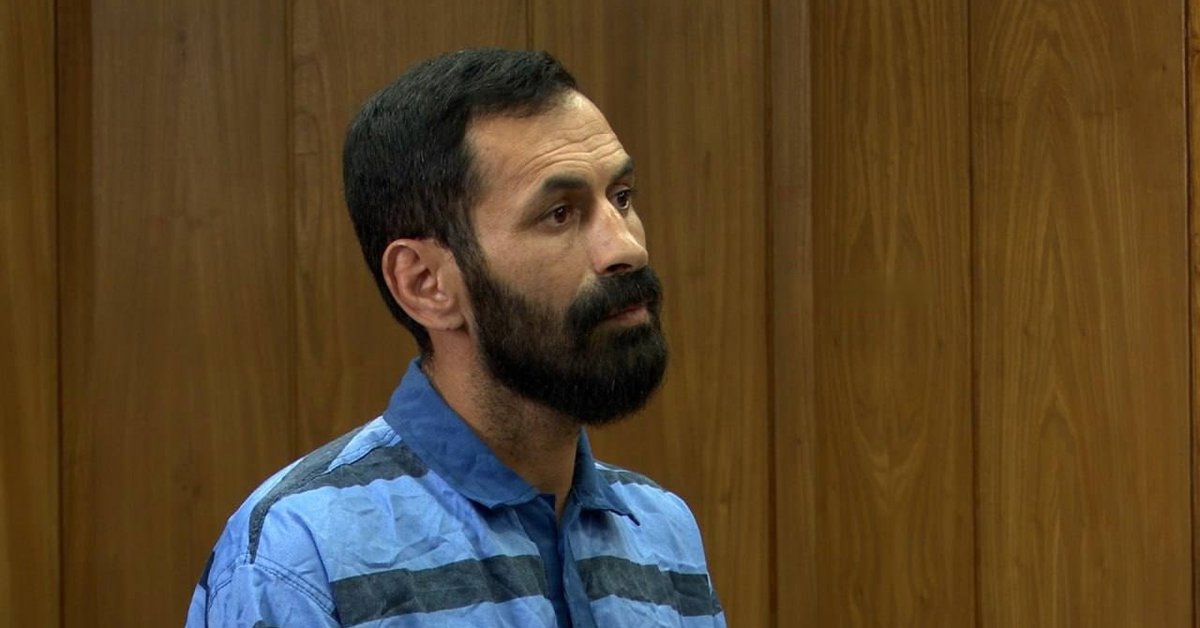
Iran executed Shahram Sadeghi early Sunday after accusing him of security offenses and deliberately driving into police officers during protests in Karaj on January 8, the judiciary’s Mizan News reported.
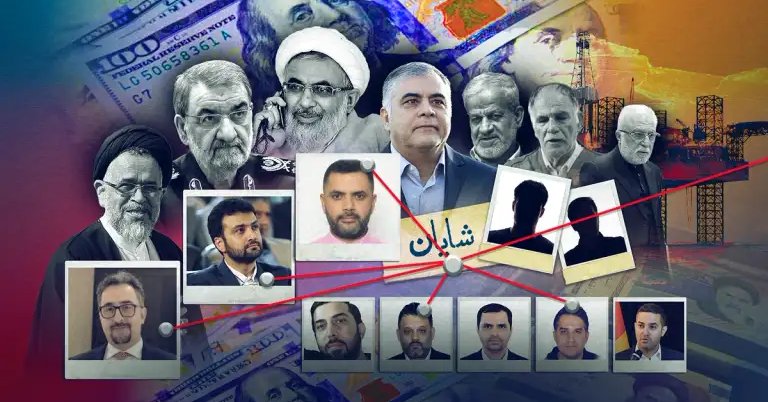
Relatives of some of Iran’s most powerful security figures, including Mohsen Rezaei’s son, were among nine people tied to an oil-sales network that sources say failed to return about $11 billion in proceeds, an Iran International investigation found.
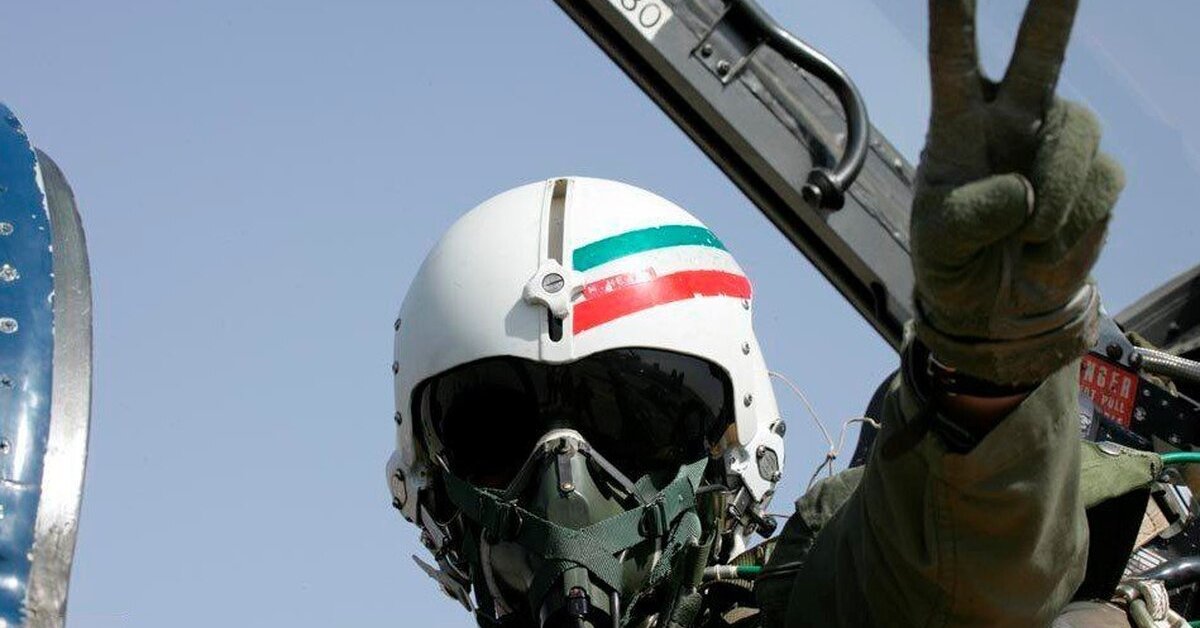
Qatar on Saturday dismissed the Iranian military’s claim that it had detained and held three pilots from two Su-24 bombers shot down in March, saying it recovered only one pilot’s remains and had invited Tehran to review the search.
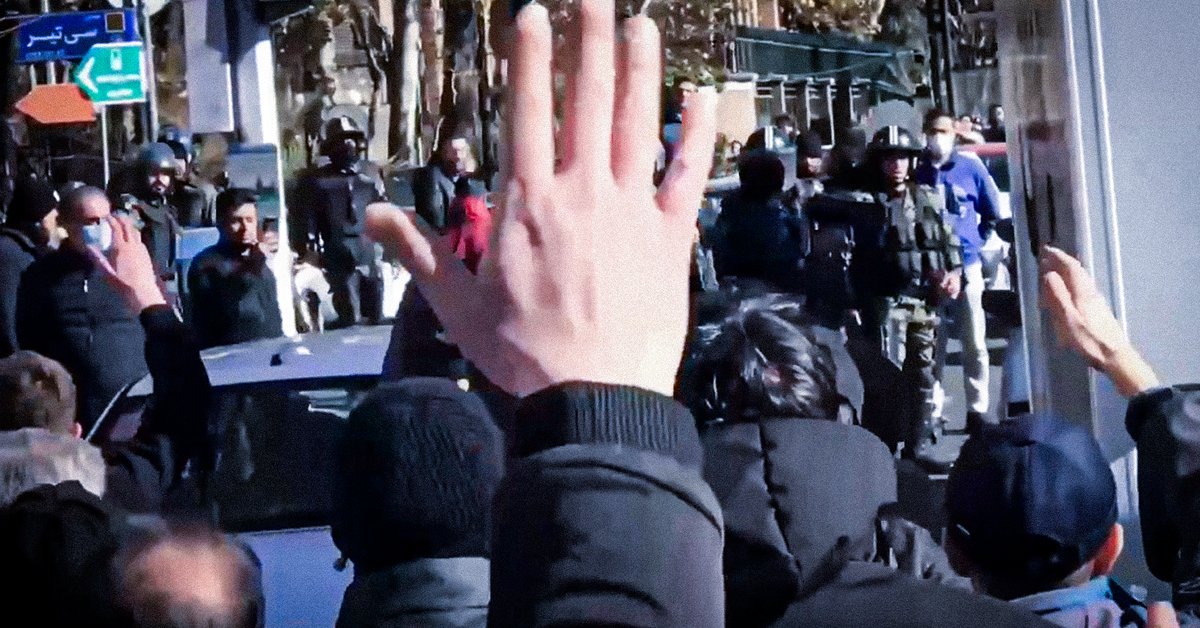
As Iran confronts military pressure abroad and mounting economic strain at home, signs are emerging that the Islamic Republic is increasingly turning its attention to another potential threat: renewed unrest on its own streets.
Iran says its non-oil trade has fallen by around 30% since the war began, but figures from several of its biggest trading partners point to far steeper declines in some of the country’s most important commercial relationships.
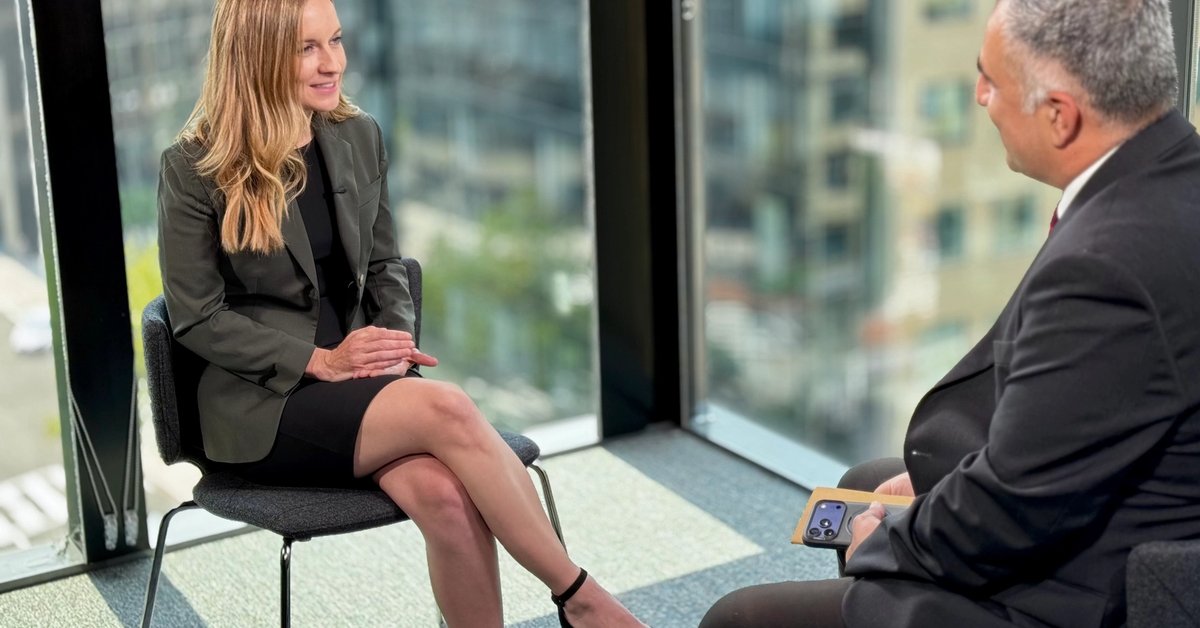
Sanctions can make Iran’s military and nuclear activities costlier and more difficult but cannot bring down the Islamic Republic on their own, former US Treasury official and weapons procurement expert Kerri Bitsoff told Iran International.
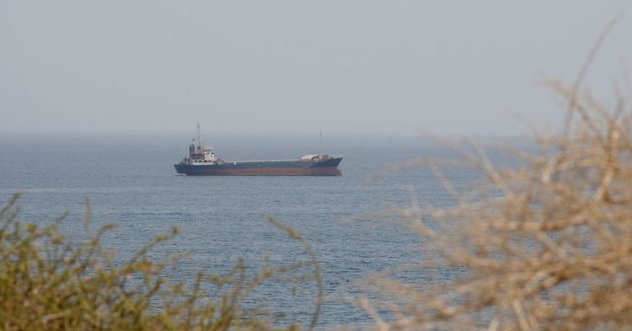
President Donald Trump said he may soon declare the Strait of Hormuz US territory as shipping through the waterway nearly stopped and Tehran insisted it alone would decide when the strait opens or closes.
The aborted move in Kerman Province revived one of the most politically explosive questions in Iran: how to curb gasoline consumption without repeating the upheaval that followed the last major nationwide price increase in 2019.
With a deadline to fully reopen the Strait of Hormuz only days away, parts of Iran’s media are increasingly treating any easing of tensions not as a return to normality but as a brief window to replenish essential supplies before the confrontation potentially resumes.
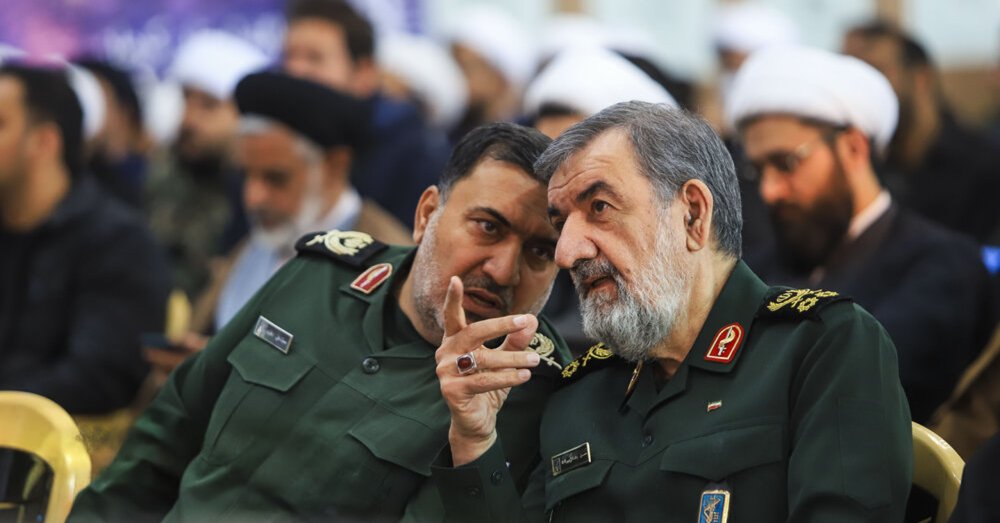
The ascension of Mohsen Rezaei as secretary of Iran’s Supreme National Security Council underscores that there is much political drama beneath the surface of the Islamic Republic’s portrayal of strength as the Trump administration tries to end the war.
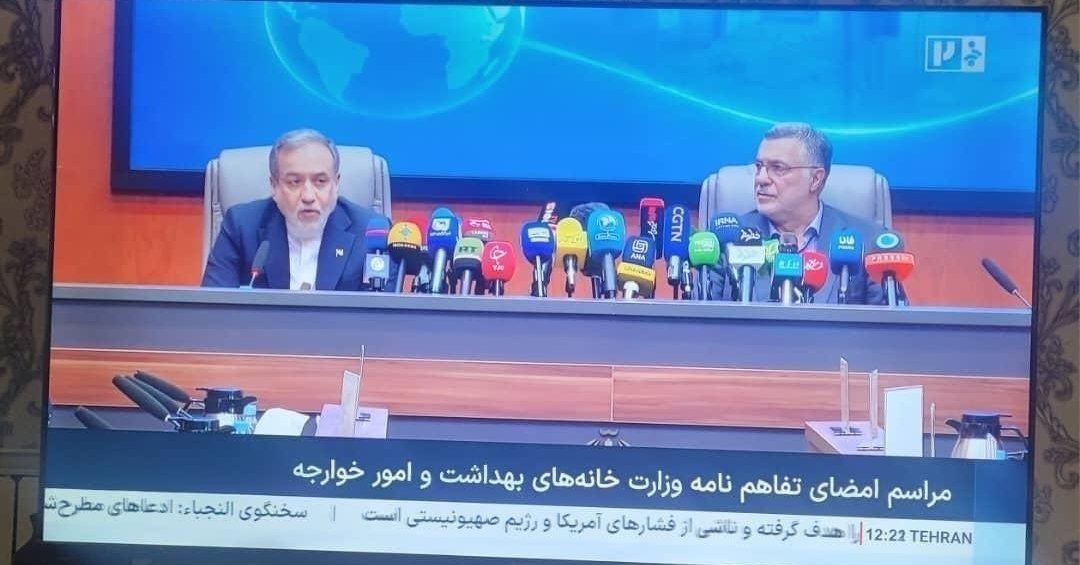
One extra letter on Iranian state television turned Abbas Araghchi into the minister of the Kharijites, the sect that abandoned Shia Islam's first imam and killed him, and many Iranians read it as the broadcaster's latest shot at the man negotiating with Washington.
US Democrats appear to be sharpening their attacks on President Donald Trump over the economic fallout from the Iran war as rising fuel and household costs become an increasingly potent issue ahead of November’s midterm elections.
Iran is doubling down on control of the Strait of Hormuz, with some in Tehran now arguing the strategic leverage it provides is more valuable than a nuclear weapon.
Iranian courts have handed down a new wave of prison terms and other punishments against protesters, activists and citizens accused of national security offenses, as the judicial crackdown that followed January’s nationwide protests continues months later.
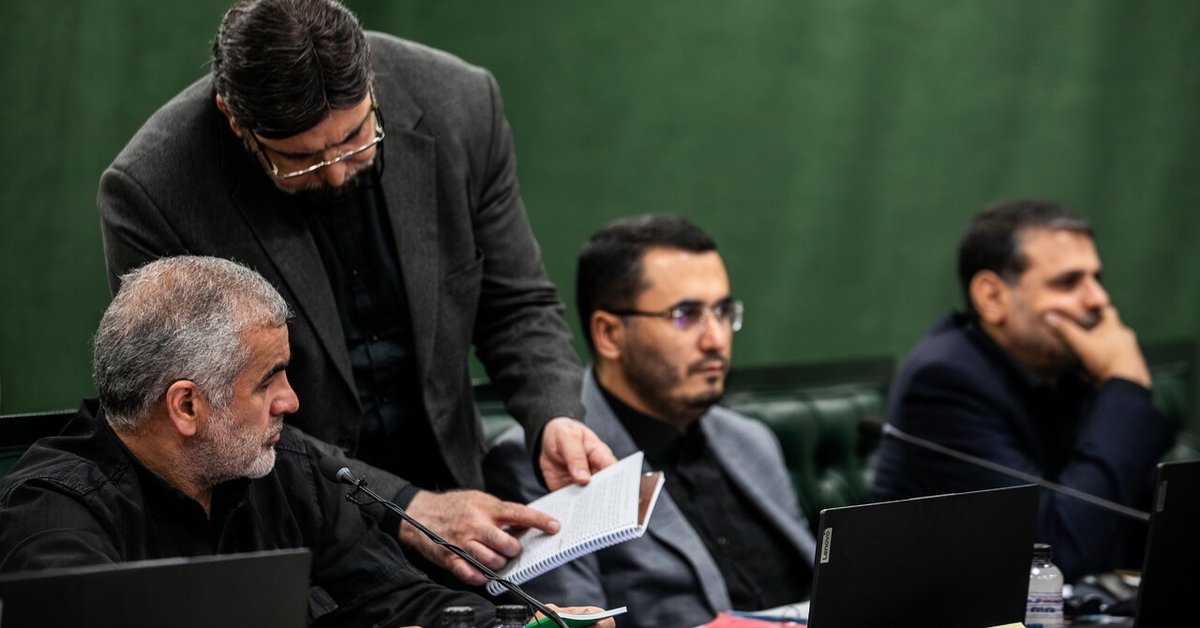
A dispute in Iran’s parliament over the terms for reopening the Strait of Hormuz is threatening to complicate negotiations in Muscat, as lawmakers challenge a proposed role for Oman and Pakistan in monitoring shipping through the waterway.
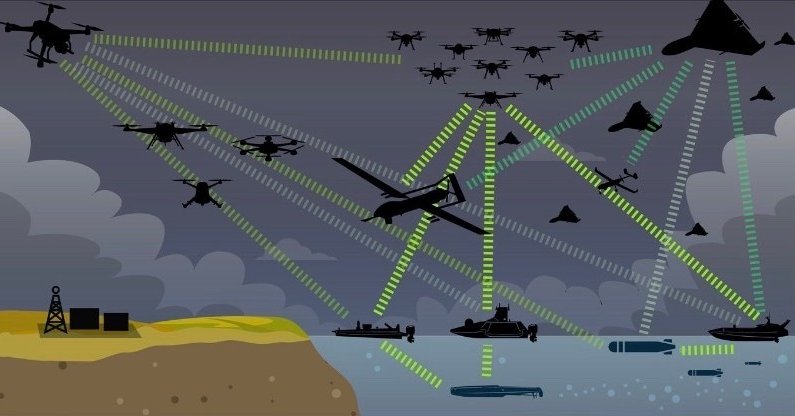
The US-Iran standoff is hardening around the Strait of Hormuz, with Washington saying it can sustain maritime pressure indefinitely and Tehran signaling readiness for a prolonged confrontation and more offensive operations.
Supreme Leader Mojtaba Khamenei’s latest appointments to Iran’s top security and paramilitary institutions are not routine personnel changes but a reflection of his priorities for tighter control over the institutions directing war and domestic repression.