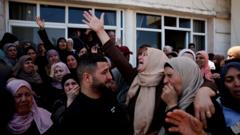
Israel warns it will retaliate if UK imposes sanctions
The UK's Foreign Secretary Ed Miliband pledged on Tuesday to introduce a "comprehensive reset" of policy on Israel.
The UK's Foreign Secretary Ed Miliband pledged on Tuesday to introduce a "comprehensive reset" of policy on Israel.
Iran is no stranger to US sanctions and has developed deep economic ties with several countries.
Washington announced what it described as an "economic D-Day" against Iran, widening current sanctions and targetting countries with business ties with the regime.
The US says new sanctions ar an "economic D-Day", but Tehran's leaders have survived restrictions before.
The US has threatened to isolate nations that continue to do business with Tehran, which sells much of its oil to Beijing.
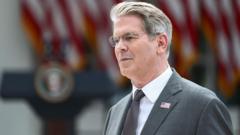
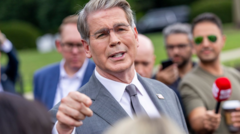
Scott Bessent says the US will sever all economic ties with the country and that any nation partnering with Iran financially will also be isolated.
The US treasury secretary says allies will need to decide whether they "are with us or against us".
US Secretary of State Marco Rubio and Treasury Secretary Scott Bessent both announced talks had progressed to allow shipments to resume.
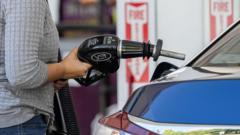
The price of Brent crude rose more than 5% on Thursday as the war in the Middle East continues to escalate.
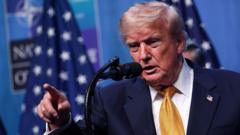
The US president also says Washington will impose a 20% charge on all cargo shipped through the Strait of Hormuz.
Shabana Mahmood will use new powers to ban support for the group, which has been linked to death threats and intimidation on British soil.
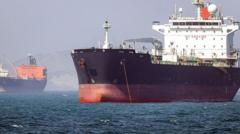
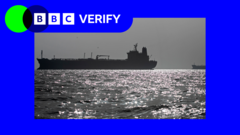
Data shows a decline in the number of ships - many carrying oil and gas - going through the waterway after attacks this week.
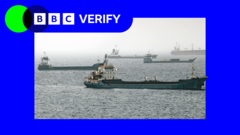
Three Iranian tankers loaded with crude oil have passed the US blockade line in the Gulf of Oman, ship-tracking data shows.
Three Iranian tankers loaded with crude oil have passed the US blockade line in the Gulf of Oman, ship-tracking data shows.
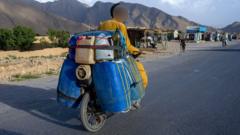
It's so hot the fuel can catch fire - the bikers tell the BBC they must live with the risk of injury and death.
It's so hot the fuel can catch fire - the bikers tell the BBC they must live with the risk of injury and death.
Under the agreement, the key Strait of Hormuz waterway will be reopened, US President Donald Trump said.
France will also bar far-right Israeli Minister Bezalel Smotrich from entry as part of the measures, which Israel condemns as "disgraceful".