Netanyahu says Iran’s ruling system ‘will fall in the end’
Israeli Prime Minister Benjamin Netanyahu said Monday night that the foundations of Iran’s ruling system had “cracked” and that it would eventually fall.
By suspending talks with Washington over Israel's campaign in Lebanon, Tehran has raised the stakes of postwar diplomacy and posed a critical question: is it successfully increasing its leverage, or overplaying its hand?
Iran’s conservative establishment appears to be pushing back against its own ultra-radical fringe after a hardline lawmaker accused President Masoud Pezeshkian of bypassing the Supreme Leader over the April ceasefire with the United States.
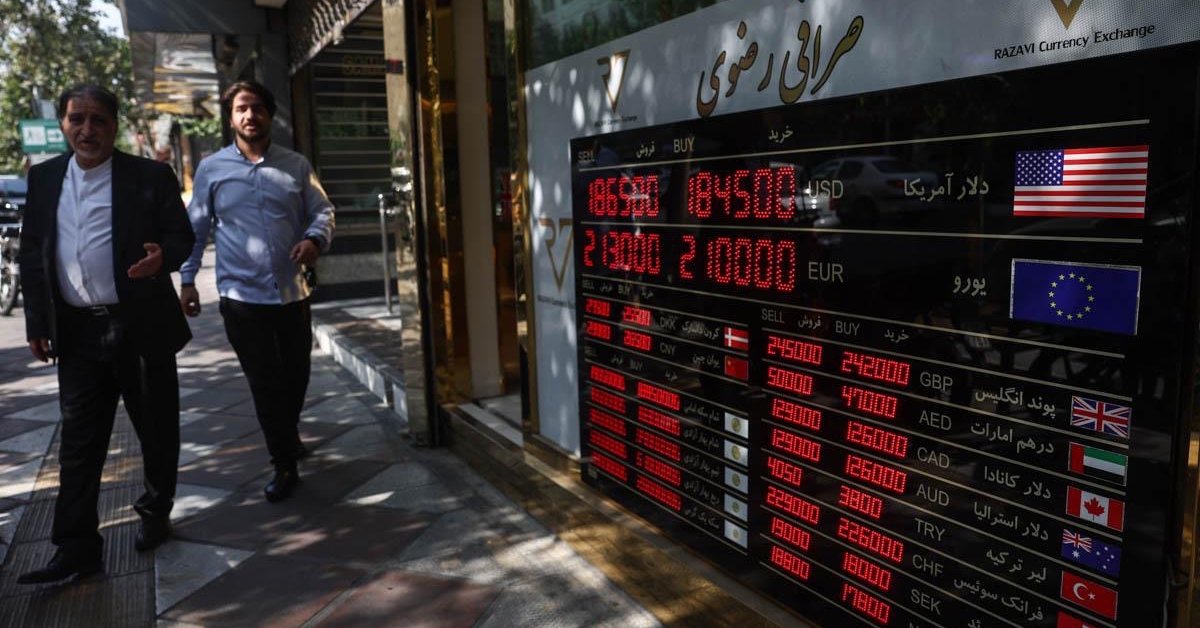
Despite continued uncertainty over the outcome of the Iran-US talks, signs that some Iranians are positioning for a possible diplomatic breakthrough are emerging in markets, public debate and government-linked circles.
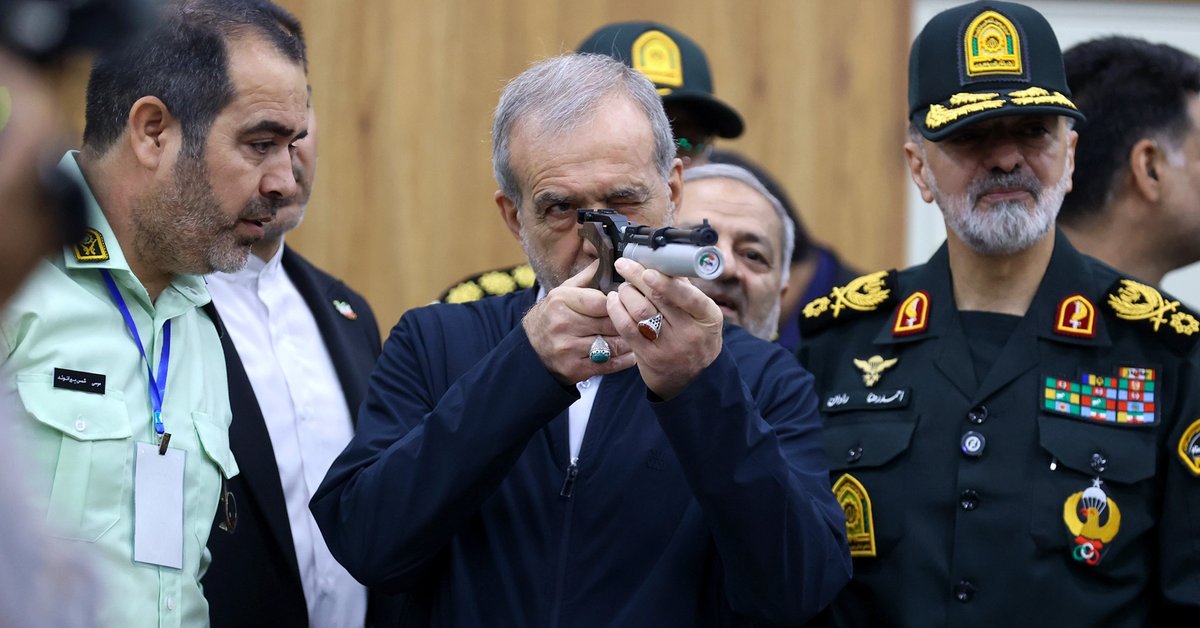
Iranian President Masoud Pezeshkian has submitted an official letter of resignation to the Office of the Supreme Leader, a source familiar with the matter told Iran International.
Hardline Iranian lawmaker Hamid Rasaei has sparked intense controversy after publishing a social media post that many interpreted as an indirect swipe at Mojtaba Khamenei, drawing sharp criticism from supporters of the Islamic Republic.
The recent high-stakes visit of a senior Iranian delegation to Doha, led by Parliament Speaker Mohammad Bagher Ghalibaf, has ended in a major diplomatic setback for Tehran, an informed source with knowledge of the negotiations told Iran International.
The prospect of an interim agreement between Tehran and Washington has exposed deep divisions in Iran, with some officials presenting it as diplomatic progress while hardliners warn it could cross the Islamic Republic’s red lines.
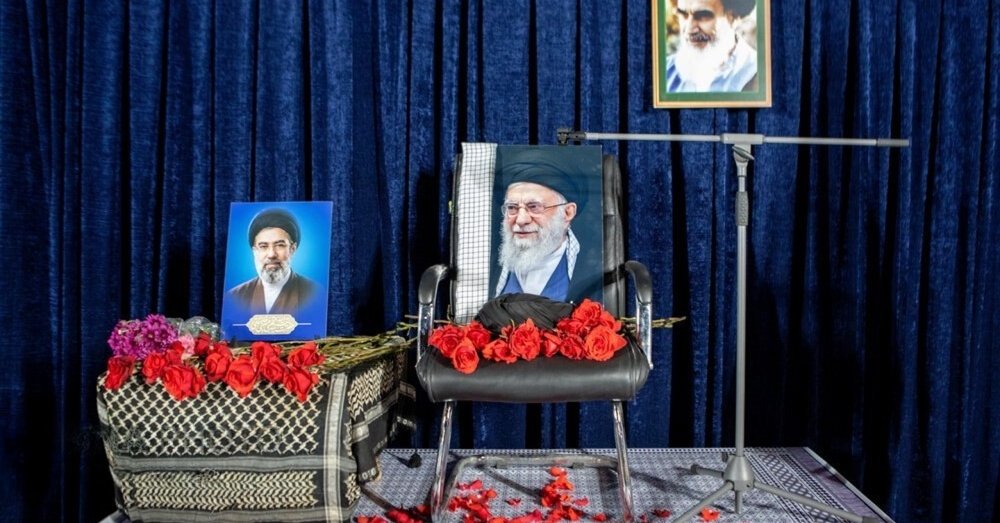
Names on a memorial poster for four relatives and in-laws of Ali Khamenei offer a rare snapshot of how family ties link Iran’s ruling household to parliament, elite universities and the Supreme Leader’s office.
Ahead of the 2026 World Cup, a possible ban on Iran’s lion-and-sun flag has opened a dispute between FIFA and Iranian opponents of the Islamic Republic over identity, representation and politics in sport.
Iran’s partial restoration of international internet access after nearly three months of blackout has opened a new fight inside the ruling system, with hardliners accusing President Masoud Pezeshkian’s government of bypassing powerful security and cyberspace institutions.
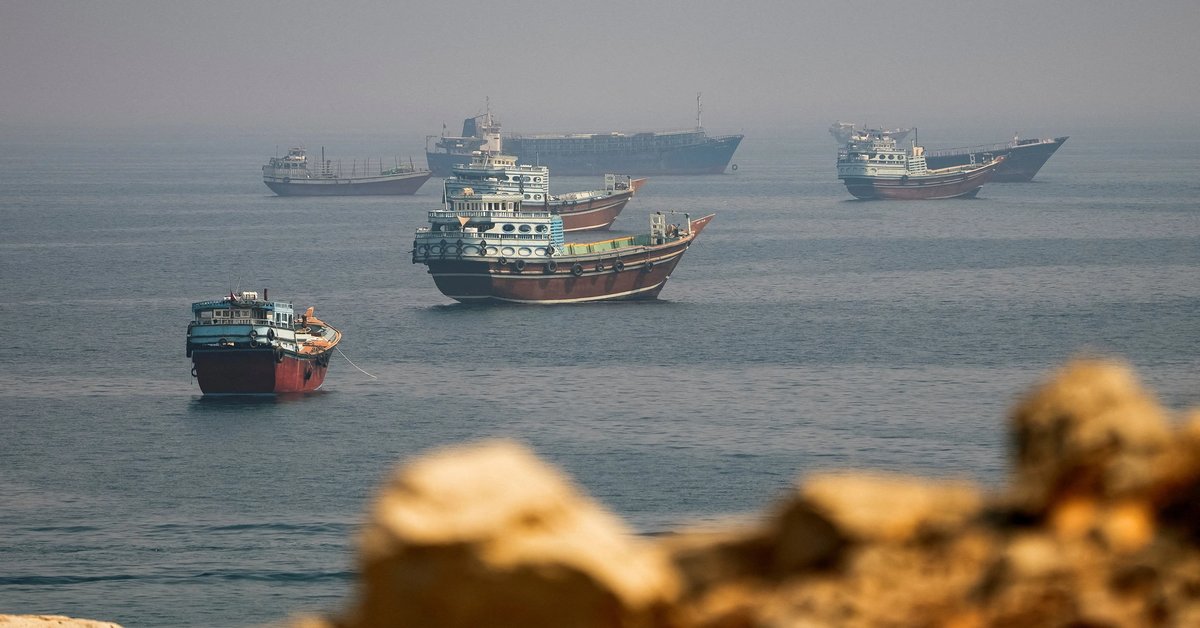
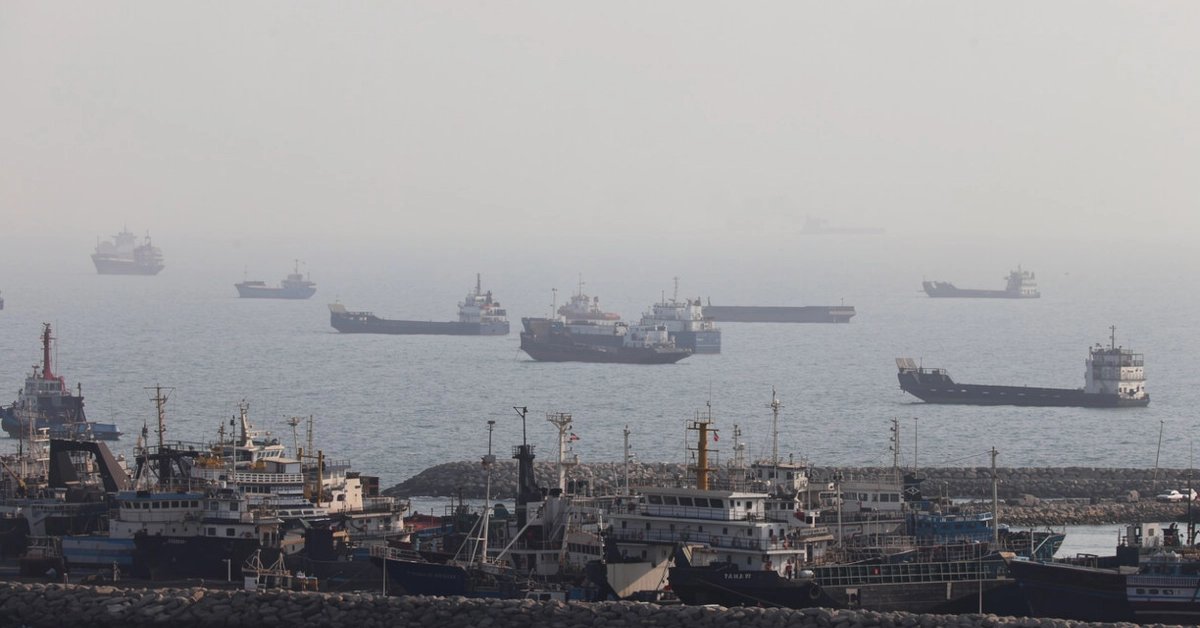
More than six weeks after Iran disrupted shipping through the Strait of Hormuz and the United States moved to enforce a naval blockade, the confrontation increasingly appears to be entering a new phase: negotiations driven by exhaustion.
US President Trump’s approach toward Iran may better be explained by the political timing of the World Cup and the culture of New York real estate dealmaking: performance, delay, leverage and spectacle.
Talk of a possible agreement between Tehran and Washington has intensified political attacks on parliament speaker Mohammad Bagher Ghalibaf, a central figure in Iran’s diplomatic push and a politician widely seen as backing a more pragmatic approach to negotiations.
Iranian negotiators are demanding the immediate release of $12 billion in frozen assets held in Qatar as a precondition for advancing talks with the United States, an informed source with direct knowledge of the negotiations told Iran International.
Reports of a possible agreement between Washington and the Islamic Republic have triggered anger and frustration among Iranians, with messages sent to Iran International reflecting deep distrust toward both foreign powers and Iran’s ruling establishment.
Hope for a limited US-Iran agreement gained momentum Friday as regional mediators intensified efforts to stabilize the ceasefire, but the fragile diplomacy faced hostility from Iranian hardliners who cast negotiations as a prelude to renewed conflict.
Iran’s ruling establishment has increasingly turned to threats and combative rhetoric as it faces mounting economic problems at home and growing diplomatic strain abroad, expanding a wartime language into everyday governance.
A New York Times report claiming former Iranian president Mahmoud Ahmadinejad was considered by some US officials for a post-war role in Iran triggered a storm of speculation, ridicule and conspiracy theories inside Iran.
Iranian officials’ recent comments about Supreme Leader Mojtaba Khamenei are aimed at showing he remains in charge and will ultimately decide whether Tehran accepts a deal with the United States to end the war, the Financial Times reported on Thursday.