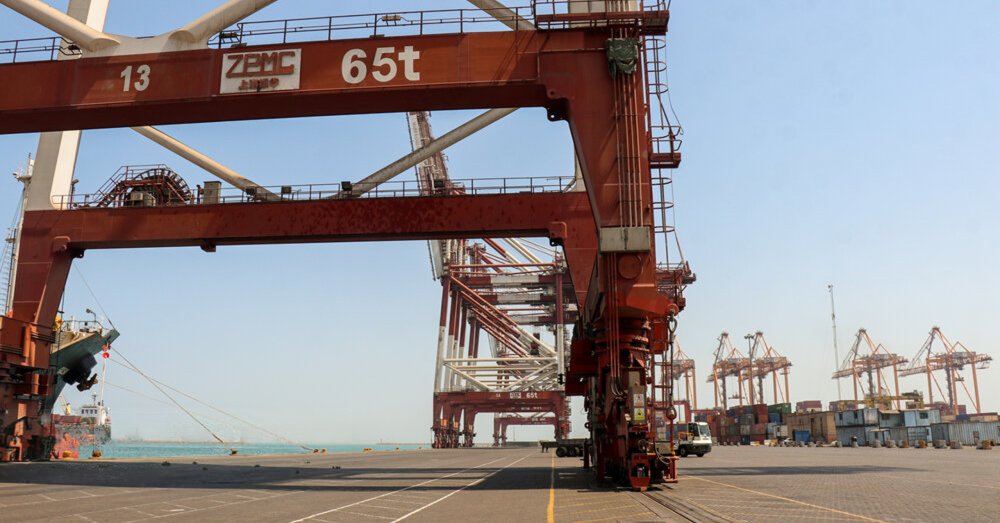
The Hormuz get out of jail card turned to a grave
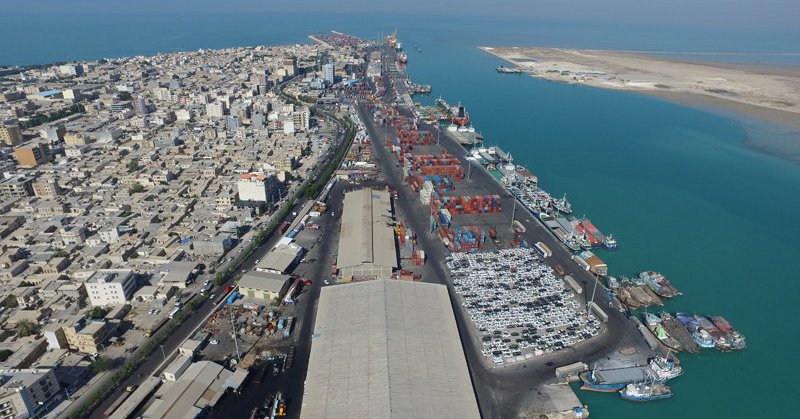
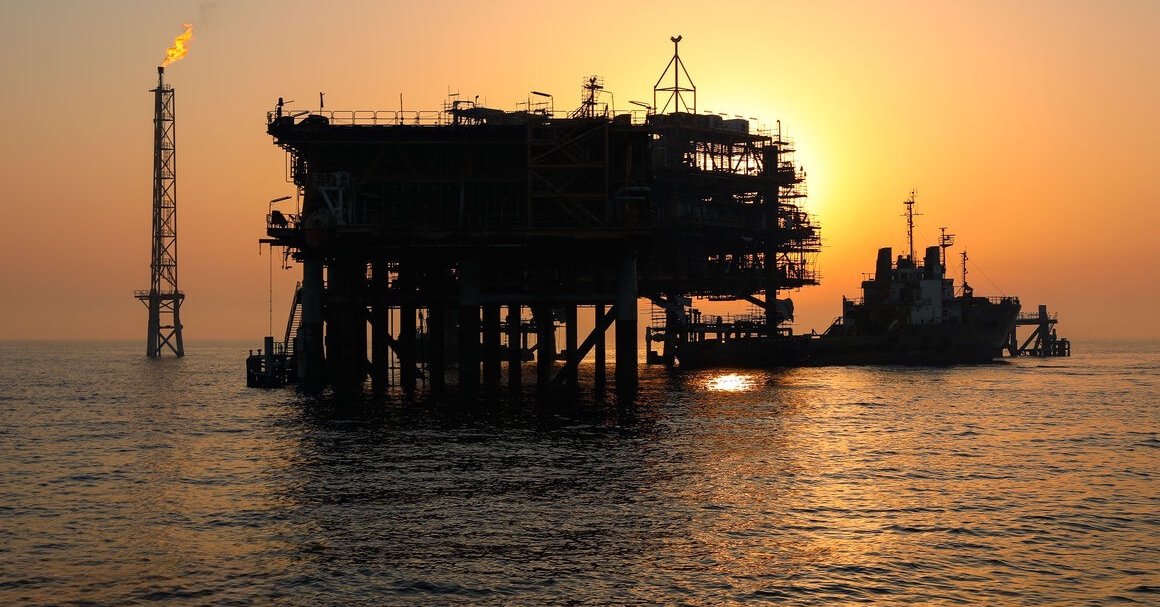
For decades the IRGC relied on its ability to threaten closure of the Strait of Hormuz as its premier economic shield and golden get out of jail card.
Freelancers and small business owners say their incomes have collapsed and daily operations have halted during Iran’s prolonged internet shutdown, which NetBlocks said has caused $1. 8 billion in losses over 48 days.
Iran has halted exports of all petrochemical products until further notice to prevent shortages of raw materials and stabilize the domestic market, state-linked media reported.
The United States on Tuesday imposed sanctions on a network of companies, ships and individuals tied to Mohammad Hossein Shamkhani, an Iranian oil trader whose business empire has become a major conduit for Iran’s sanctioned petroleum exports.
Hardline voices in Tehran are escalating rhetoric around the Strait of Hormuz, calling for transit fees on ships even as a US blockade challenges Iran’s control over the strategic waterway.
The US naval blockade of Iran is entering an opaque phase, with early signs of impact emerging through both buyer hesitation and deceptive shipping practices, rather than direct naval confrontations.
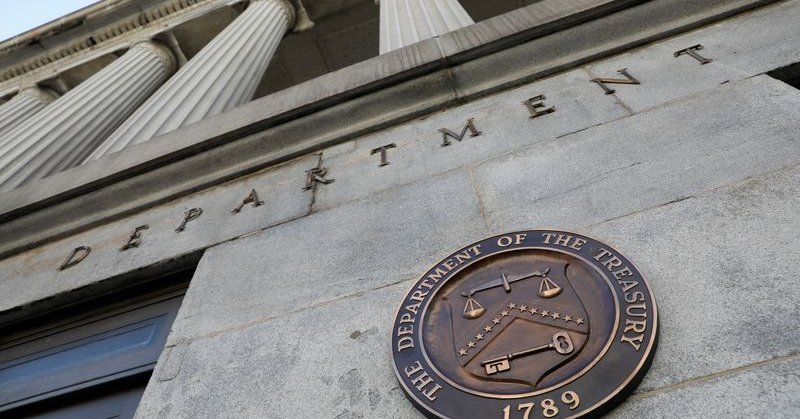
The US Treasury has warned banks in the Middle East and East Asia to halt Iran-linked transactions or face potential sanctions, signaling a stepped-up enforcement push targeting the financial networks that move Tehran’s oil revenues.
The idea that Iran could generate tens of billions of dollars annually by charging ships to pass through the Strait of Hormuz has gained traction in media commentary, but the claim does not withstand scrutiny.
The United States moved to impose a naval blockade on Iran just as the country’s oil exports were surging to their highest levels in years, underscoring Washington’s effort to halt a wartime boom in Tehran’s energy revenues.
Iran faces a wave of layoffs in its petrochemical sector and widespread factory closures as a deepening economic crisis and internet shutdowns paralyze businesses, according to reports sent by residents to Iran International.
More than 1,000 hours of internet shutdown in Iran is crippling small businesses and startups, with officials estimating losses of at least $35 million per day.
The US naval blockade of Iran, which started on Monday, could rapidly cripple the country’s economy, cutting off most of its trade, halting oil exports and triggering inflation and currency pressure within days.
The ceasefire in the US-Israeli war on Iran eased global oil markets and may finally reopen the Strait of Hormuz. But for Iran, the truce exposes an economic crisis the war had temporarily masked, with weaker fundamentals and fewer tools to respond.
In 2019, while working on the energy desk at Reuters, I began reporting on a question that has shadowed global oil markets for decades: what would happen if the Strait of Hormuz were closed?
Costa Rica designated Iran’s Islamic Revolutionary Guards as a terrorist organization, the foreign ministry said on Thursday, in a move that also blacklisted three other Iran-backed groups in the region.
The UAE’s recent arrest of IRGC-linked money changers could expand into a broader crackdown on Iran’s shadow financial network, experts said on this week's episode of Eye for Iran podcast.
The Paris offices of Goldman Sachs were placed under police surveillance after a bomb threat believed to be linked to an Iranian group, Le Parisien reported.
The war pitting the United States and Israel against Iran is being fought across airspace and shipping lanes, but one of its most consequential economic effects may be unfolding elsewhere: the fragile commercial relationship between Tehran and the United Arab Emirates.
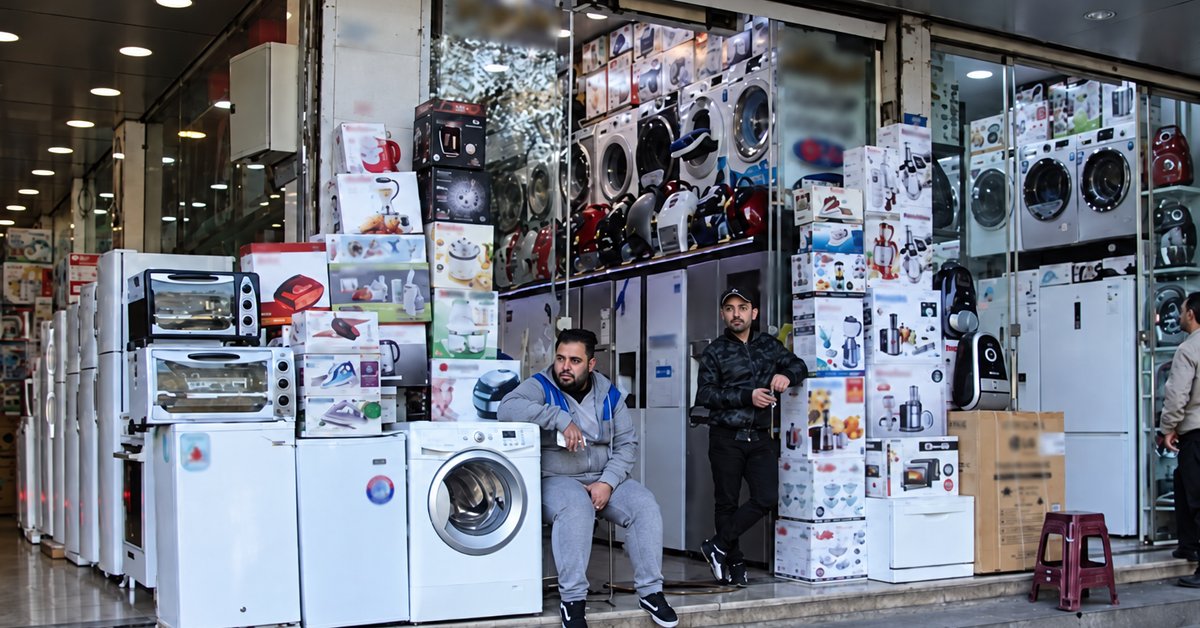
Iran’s economy is entering the new fiscal year under the weight of a profound wartime shock, with inflation reaching levels not seen in decades and essential goods becoming increasingly unaffordable for much of the population.
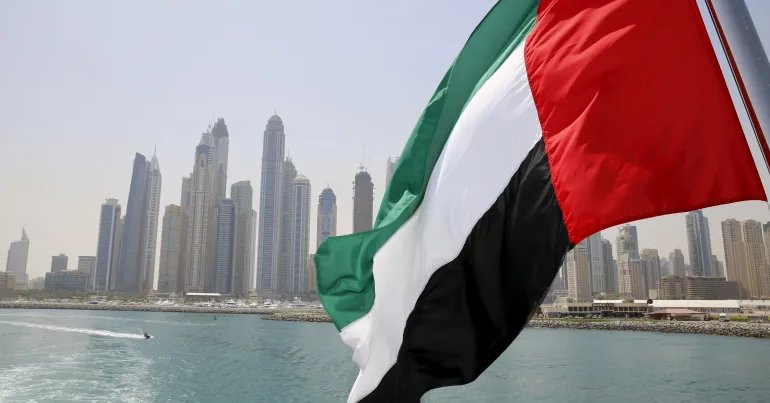
The arrest of dozens of IRGC-linked money changers in the United Arab Emirates is one of the most serious blows yet to Tehran’s sanctions-evasion network, laying bare how heavily the Islamic Republic has depended on Dubai as an economic lifeline.