Too early to tell who is winning Iran war, experts say
As Washington signals that a deal with Tehran may be close, a central question remains unresolved: who, if anyone, is actually winning?
War damage to Iran’s economy has reached $270 billion in 40 days, equivalent to roughly $3,000 per person, according to official figures, with losses expected to grow as trade disruptions deepen under a US blockade of Iranian ports.
Iran’s central bank has warned President Masoud Pezeshkian that rebuilding the country’s war-damaged economy could take more than a decade, sources familiar with internal deliberations told Iran International.
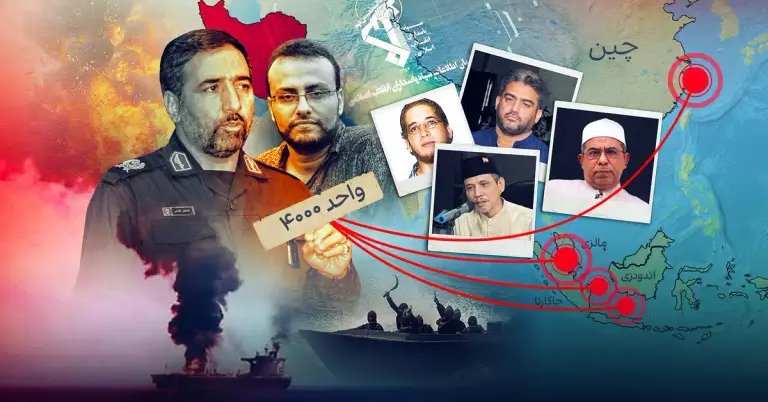
What follows is a list of fifty-two senior military, intelligence and security officials of the Islamic Republic who have been killed in recent years—mostly in Israeli operations and in some cases with US involvement.
Donald Trump's threats to target Iran’s power plants and bridges in case of Tehran's failure to reopen the Strait of Hormuz by Tuesday night have triggered anxiety among many Iranians, even as some say the regime's survival poses a greater threat.
Israel’s campaign in Iran has reached far beyond missile depots and military command. Over roughly a month, it has also hit the architecture of domestic repression: intelligence compounds, police stations, Basij bases, judicial buildings, and senior officials tied to crackdowns.
Iran’s petrochemical sector is now openly under threat, marking a significant escalation in the conflict and raising the prospect of far-reaching economic consequences for the country and potentially the wider region.
The heaviest wave of attacks in more than a week struck Iran over the past 24 hours, killing at least 49 civilians and injuring 58 others as the war between Iran, rights group HRANA reported ahead of President Trump's Tuesday deadline to hit Iranian power plants.
The mission to rescue an American pilot downed in Iran showed how a tactical success can open wider strategic possibilities, sharpening debate over how far the United States may expand its footprint inside Iran.
Iran and the United States have received a proposal to end hostilities that could take effect on Monday and reopen the Strait of Hormuz, according to Reuters citing a source familiar with the plan.
The United States and Iran are discussing the terms of a potential 45-day ceasefire that could open the door to a permanent end to the war, Axios reported Sunday, citing four US, Israeli and regional sources familiar with the talks.
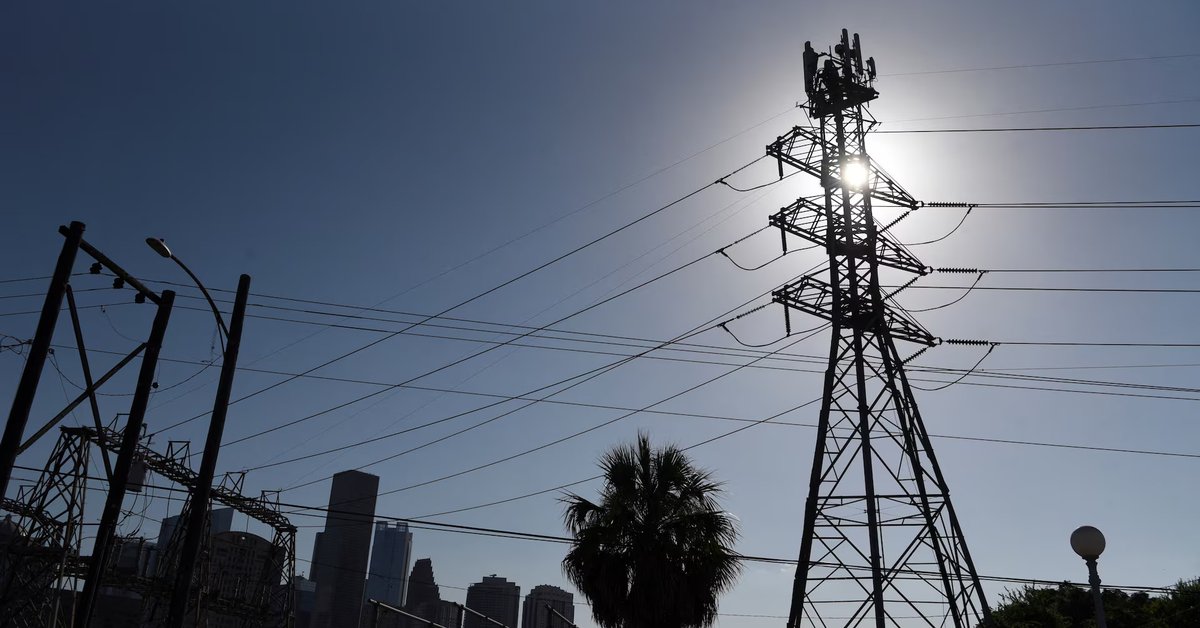
President Donald Trump’s threat to strike Iran’s power plants, if carried out, could trigger widespread economic disruption inside Iran while sending shockwaves through global energy markets.
Over the past ten days, US–Israel strikes on the Iranian regime have turned unmistakably toward state infrastructure.
Several US aircraft were shot down or damaged and crews injured on Friday in one of the worst days for the US military in the war with Iran, with search operations ongoing for a missing US aviator in southwestern Iran.
Iran and the United States may prefer an end to the war, but the gap between the minimum terms each side could accept is so wide that a deal remains unlikely for now.
Iran’s state broadcaster has adopted a noticeably harsher tone toward dissent, increasingly framing domestic protests as part of a war waged by “enemies.
Relentless airstrikes by Israel and the United States have transformed life across Iran, reshaping cities and daily routines while leaving millions caught between fear, resilience, and deeply divided views on the war.
A heated online dispute over photographs showing civilian victims of strikes in Iranian cities has exposed both the deep mistrust many Iranians feel toward official information and a widening rift among the public itself over how to interpret images emerging from the war.
A leaked internal directive from the IRGC’s missile command appears to show that the use of civilian locations to conceal, support and in some cases facilitate missile launch operations is not ad hoc, but structured, documented and built into operational planning.