Iran Issues List of Demands, Dampening Hopes of Reopening Strait of Hormuz
The head of Iran’s Supreme National Security Council said that the Strait of Hormuz would remain closed until the United States met certain conditions.
Political reporting on Iran — the government and Supreme Leader, elections, nuclear negotiations, and the factional struggles inside the Islamic Republic — collected from independent English-language outlets.
The head of Iran’s Supreme National Security Council said that the Strait of Hormuz would remain closed until the United States met certain conditions.
Turkey says Saudi-Pakistan defence pact mirrors NATO’s Article 5, Egypt could also join Turkish Foreign Minister Hakan Fidan says the new defence agreement between Turkey, Pakistan and Saudi Arabia is technically equivalent to NATO’s Article 5 mutual defence clause and does not target Iran. Fidan told Turkey’s Anadolu news agency that the three countries would establish a ministerial committee resembling NATO’s decision-making structure. The pact will also have a general secretariat based in Saudi Arabia.
Tehran [Iran], August 8 (ANI): President Masoud Pezeshkian has accused Israel and the United States of attempting to 'turn' Persian Gulf states against Tehran as the two allied nations are exploiting Iran's 'internal challenges' amid the West Asia conflict.
Tehran [Iran], August 8 (ANI): Adviser on international affairs to Iran's Supreme Leader Ali Akbar Velayati on Saturday said that recent developments had demonstrated the resilience of Iranian armed forces and the steadfastness of the Iranian people, while asserting that 'foreign forces' must leave the region. In a post on X, Velayati praised the 'resilience' of the armed forces and common people.
US Vice President confirms direct US-Iran talks over Strait of Hormuz US Vice President JD Vance has confirmed that Washington is holding direct talks with Tehran as the Trump administration seeks to “maximize” oil and gas flows through the Strait of Hormuz. Speaking to Fox News, Vance said US officials were assessing whether Iran would make long-term changes that could improve relations, while Washington continued “applying the pressure that we can apply. ” “We have destroyed their nuclear program, we have destroyed their conventional military, we have radically reduced their asymmetric military abilities,” he said.
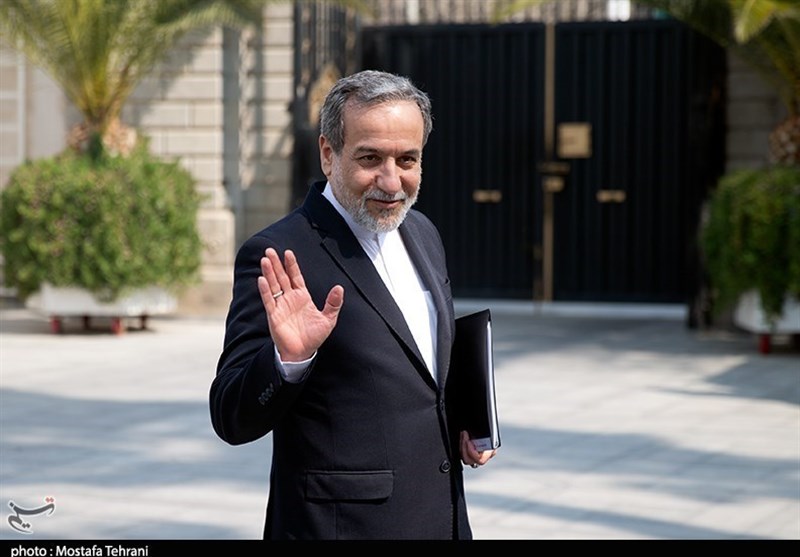
Tehran [Iran], August 8 (ANI): Iranian Foreign Minister Araghchi on Saturday said that an understanding with Oman on regulating traffic through the Strait of Hormuz does not amount to reopening the strategic waterway, as Tehran and Muscat continue negotiations on a temporary shipping route, as reported by news agencies IRIB and Al Jazeera.
Tehran [Iran], August 8 (ANI): The Islamic Revolutionary Guard Corps (IRGC) has said that the reopening of the Strait of Hormuz depends on the United States accepting Iran's conditions, while stressing that the issue has no connection to the ongoing negotiations between Tehran and Muscat, according to the Iranian Fars News Agency.
A widening split on the American right is turning Trumps old base into open opposition, with Israel at the center of the rupture Almost since US President Donald Trump started his second and final term, the movement that brought him to power twice has been fracturing. Now there is a full break among Make America Great Again (MAGA) supporters.
Turkey and Saudi Arabia: From bitter rivals to strategic partners Submitted by Rayhan Uddin on Sat, 08/08/2026 - 14:44 As Riyadh and Ankara sign a historic defence agreement with Pakistan, MEE charts the turbulent ties between the two powers under Erdogan and Mohammed bin Salman Turkey’s President Recep Tayyip Erdogan is received by Saudi Crown Prince Mohammed bin Salman in Mecca, Saudi Arabia, on 7 August 2026 (Saudi Press Agency/Handout via Reuters) Off In a highly symbolic move, the leaders of Saudi Arabia and Turkey were pictured performing Friday prayers together this week in the holy city of Mecca. Turkish President Recep Tayyip Erdogan and Saudi Crown Prince Mohammed bin Salman Al Saud were joined at the holiest site in Islam by Pakistani Prime Minister Shehbaz Sharif. For years, Ankara and Riyadh have been moving closer together and mending previously turbulent relations.
Turkey and Saudi Arabia's rocky relations: A brief history Submitted by Rayhan Uddin on Sat, 08/08/2026 - 14:44 As Riyadh and Ankara sign a historic defence agreement with Pakistan, MEE charts the turbulent ties between the two powers Turkey’s President Recep Tayyip Erdogan is received by Saudi Crown Prince Mohammed bin Salman in Mecca, Saudi Arabia, on 7 August 2026 (Saudi Press Agency/Handout via Reuters) Off In a highly symbolic move, the leaders of Saudi Arabia and Turkey were pictured performing Friday prayers together this week in the holy city of Mecca. Turkish President Recep Tayyip Erdogan and Saudi Crown Prince Mohammed bin Salman Al Saud were joined at the holiest site in Islam by Pakistani Prime Minister Shehbaz Sharif. For years, Ankara and Riyadh have been moving closer together and mending previously turbulent relations.
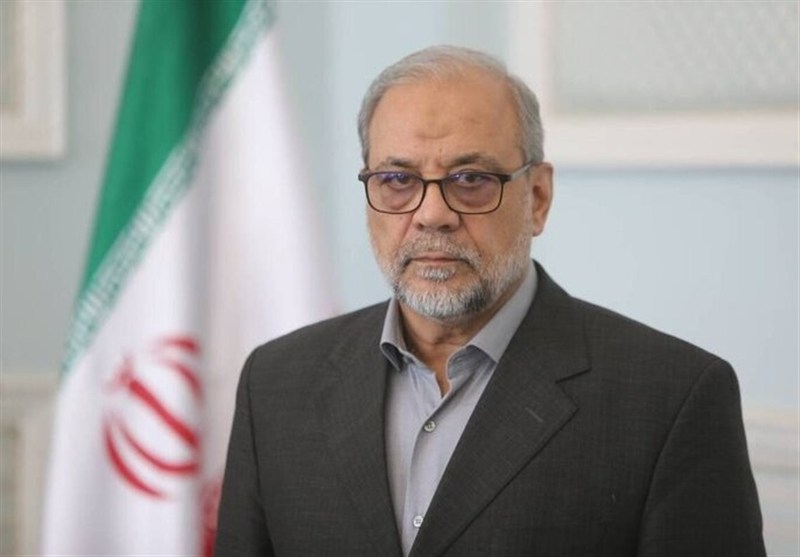
TEHRAN (Tasnim) – Secretary of Iran’s Supreme National Security Council Mohammad Baqer Zolqadr laid out six conditions for the reopening of the Strait of Hormuz, saying the waterway will remain closed until the US changes its conduct toward Iran.
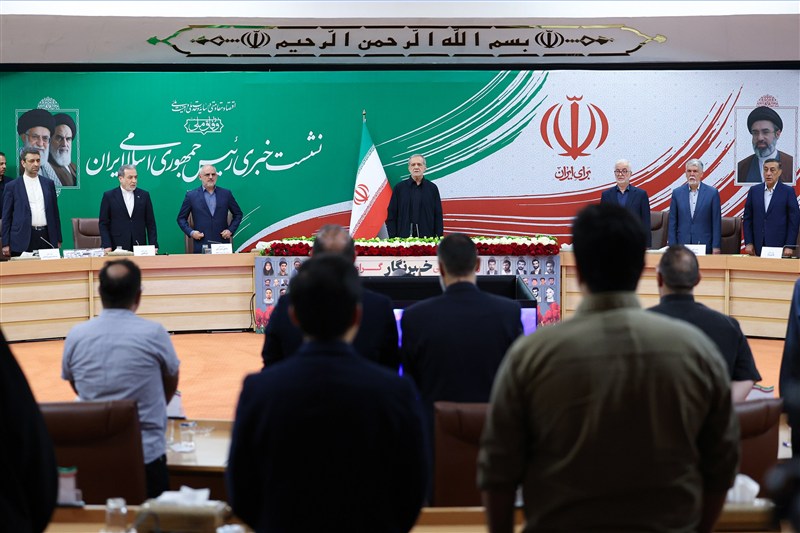
Tehran [Iran], August 8 (ANI): Iranian President Masoud Pezeshkian has reiterated Tehran's commitment to diplomatic engagement to protect national interests, asserting that the nation will not be forced to surrender.
TEHRAN (Tasnim) – The Iranian foreign minister said negotiations with Oman on the management of the Strait of Hormuz are nearing agreement, but stressed that reopening the waterway depends on the US remedying its violations of the Islamabad memorandum of understanding.
TEHRAN (Tasnim) – Denouncing the US as a criminal and colonialist regime, Iranian President Masoud Pezeshkian said Tehran’s positions toward Washington have not changed and that national unity and resistance remain essential to safeguarding the country’s security and defense capabilities.
'Foreign forces must leave': Iran says regional countries can ensure their own security Ali Akbar Velayati, an adviser to Iran’s supreme leader, has called for foreign forces to leave the region, saying their presence is the “main factor of insecurity”. In a post on X, Velayati praised Iran’s armed forces, the steadfastness of the Iranian people and the “axis of resistance”. He said regional countries could ensure their own security through greater cooperation and that the “defeat of America” and Israel had reinforced the case for foreign forces to withdraw.
IRGC says Hormuz reopening depends on US accepting Iran’s terms Iran’s Islamic Revolutionary Guard Corps (IRGC) says the Strait of Hormuz will reopen only if the United States accepts Tehran’s conditions, adding that the decision is separate from ongoing talks with Oman, state news agency Tasnim reported. IRGC spokesperson Sardar Mohebbi said the waterway was a key part of Iran’s “geographical and strategic power” and that its reopening was subject to “specific mechanisms and conditions”. “Whenever the US accepts Iran’s conditions, the Strait of Hormuz will definitely open,” he said.
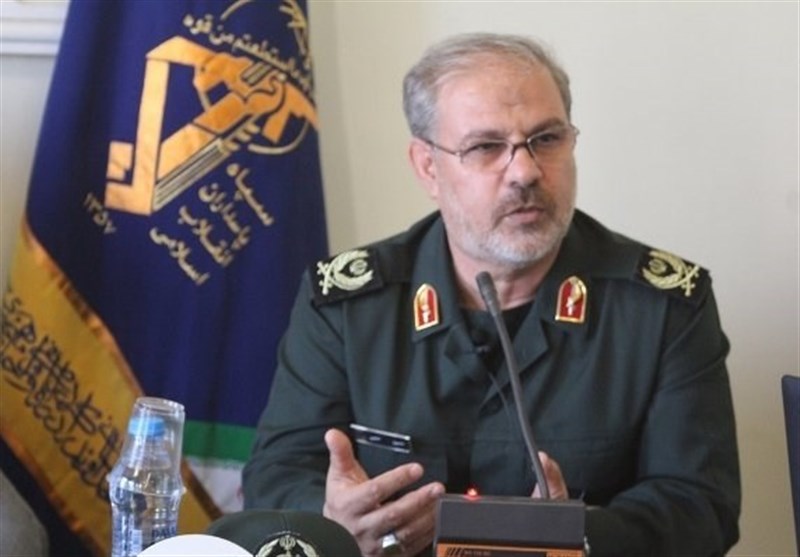
TEHRAN (Tasnim) – The reopening of the Strait of Hormuz has nothing to do with negotiations between Iran and Oman and depends on the US accepting Iran’s conditions, the spokesperson for the Islamic Revolution Guards Corps (IRGC) said.
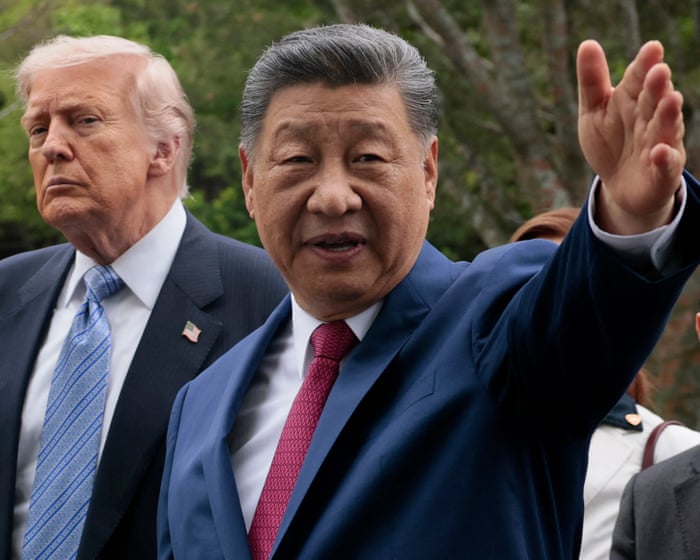
Ever the strategist, the Chinese leader is taking the offensive, both abroad and at home. That’s bad news for global order, and minorities in his country Imagine what would happen if a British prime minister in London told the Scots they could not have their own parliament, national football team or fly the saltire. Or if the Welsh were told their language and poetry were banned and must no longer be taught in schools.
TEHRAN (Tasnim) – Ali Akbar Velayati, an international affairs adviser to the Leader of the Islamic Revolution, said recent developments were shaped by the resilience of Iran’s Armed Forces, arguing that growing regional cooperation can provide security without foreign forces.
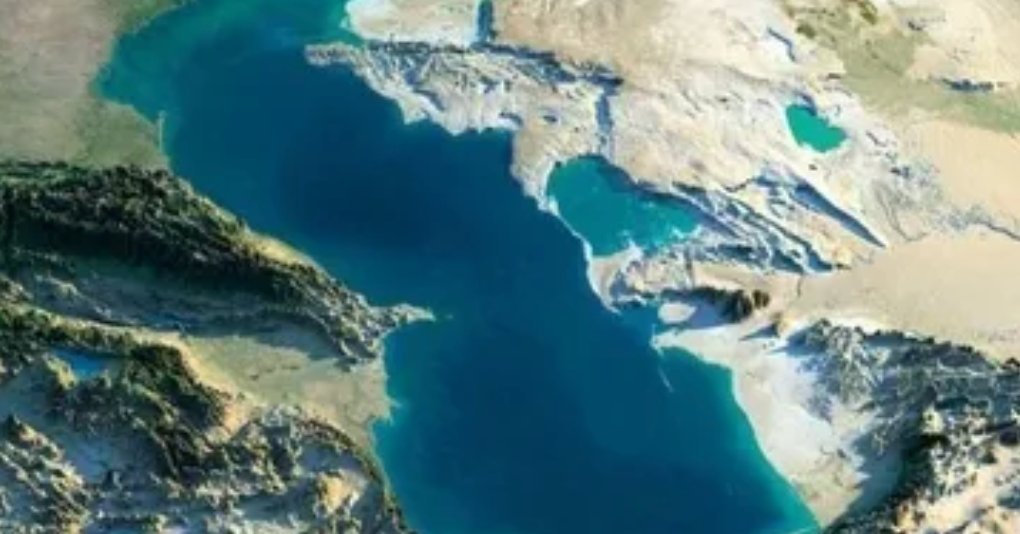
Iran is moving to ratify the Caspian treaty it left dormant for seven years, choosing the depths of a war to settle the status of its one quiet frontier, and reopening the oldest wound in its modern diplomacy: the belief that Tehran signed away half a sea.
3756 politics stories in the last 90 days.