Cannabis emerges as leading drug among Iranian women
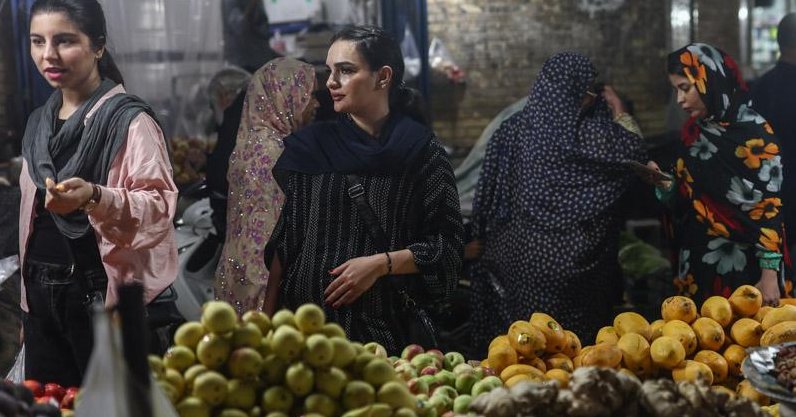
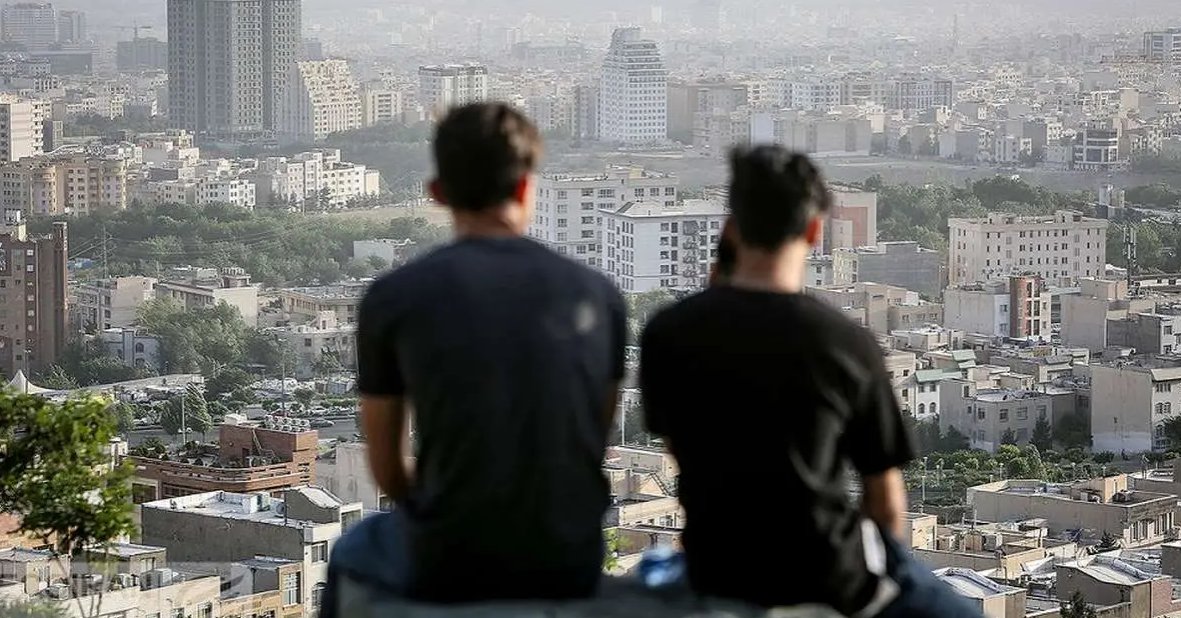
Women’s drug use has increased in Iran over the past decade, with cannabis products now the most commonly used substances among female users, a senior anti-narcotics official said on Sunday.
Hopes that the memorandum of understanding between Iran and the United States could evolve into a broader deal appeared increasingly remote on Monday as both sides carried out fresh strikes and clashed over control of the Strait of Hormuz.
Supreme Leader Mojtaba Khamenei’s renewed call for revenge over his father’s killing has emboldened hardliners demanding concrete action, while raising questions over how such threats can be reconciled with Tehran’s stated openness to diplomacy.
Iran's Prince Reza Pahlavi offered condolences following the death of US Senator Lindsey Graham on Sunday, calling him a “steadfast friend of the Iranian people” and a defender of freedom.
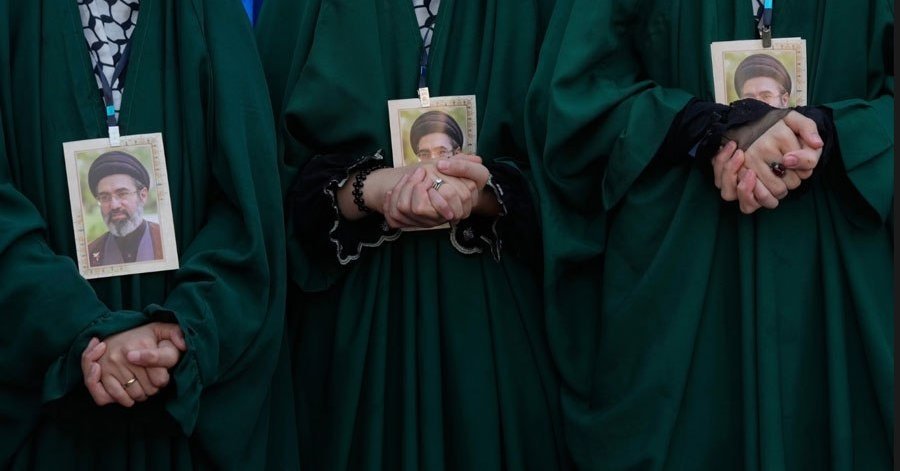
Iranian authorities on Saturday instructed pro-government street gatherings to continue until Supreme Leader Mojtaba Khamenei orders them to end.
Iran’s Supreme Leader Mojtaba Khamenei renewed his vow Saturday to avenge his father’s killing after US President Donald Trump said he had ordered the US military to “decimate and destroy” Iran if Tehran attempted to assassinate him.
War has erased Iran’s already weak growth prospects. The economy shrinks as prices rise at one of the region’s fastest rates, forcing households to bear war, sanctions and years of economic mismanagement through fewer jobs, weaker incomes and collapsing purchasing power.
Less than three weeks after Washington and Tehran began implementing a 60-day memorandum, the ceasefire is broken, commercial ships have again come under attack in the Strait of Hormuz, and US forces have struck Iran. Yet the two sides are still talking.
A day after Ali Khamenei was buried, US President Donald Trump declared the ceasefire with Iran over while agreeing to continue negotiations and warning of overwhelming retaliation if Tehran targeted him, as Iranian officials and clerics intensified calls for revenge.
Years of high inflation have pushed millions of Iranian households into a struggle over basic expenses, with new estimates showing wages barely cover food costs before rent, healthcare and other necessities are even considered.
As Iran navigates renewed confrontation with the United States and uncertainty over a fragile diplomatic process, a deeper crisis is returning to the center of public debate: how much longer ordinary Iranians can absorb the economic cost.
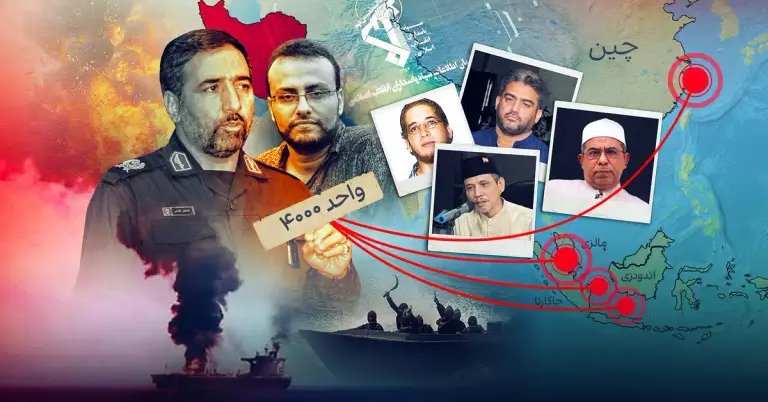
Britain has enacted legislation creating powers that could allow the government to designate Iran's Islamic Revolutionary Guards Corps under a new legal framework targeting organizations linked to hostile foreign state activity as of July 2026.
Friday prayers across Iran became a synchronized campaign for revenge on Friday, with clerics rejecting further negotiations with Washington, defending Tehran’s control of the Strait of Hormuz and demanding visible retaliation for the killing of Ali Khamenei.
Iranian officials are calling for national unity after Ali Khamenei’s death, but the message is increasingly being shaped by demands for revenge, attacks on officials accused of compromise and warnings that internal division serves the enemy.
The European Association of Nuclear Medicine (EANM) has barred Iranian citizens from attending its congresses, regardless of where they live, citing European Union sanctions, according to a letter obtained by Iran International.
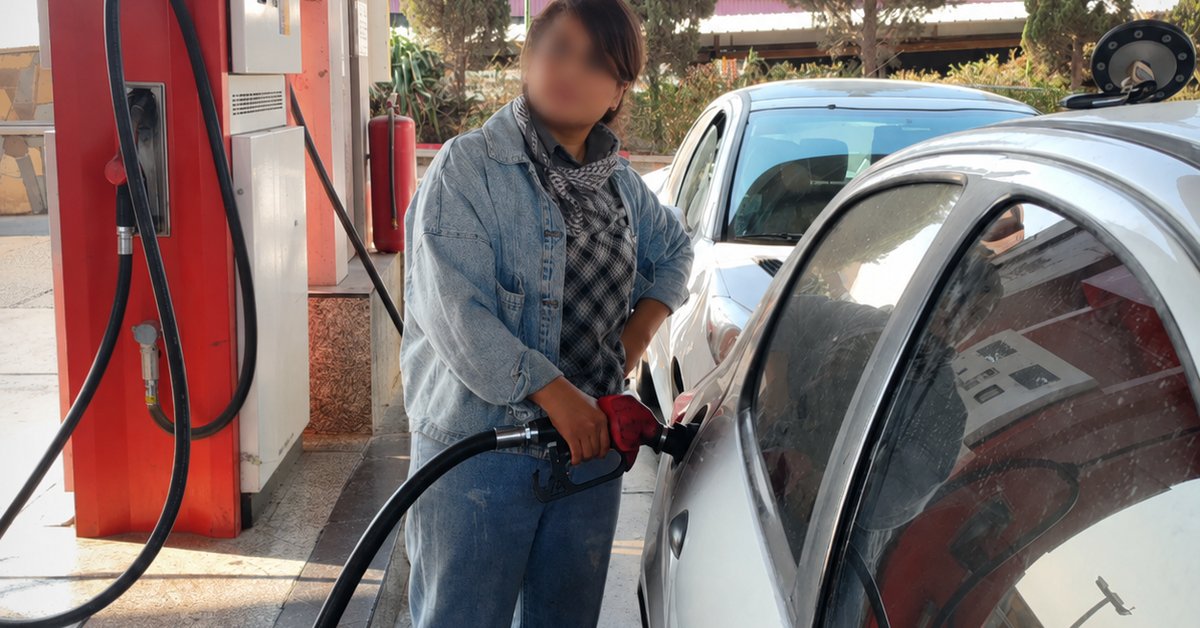
Power and water outages have returned to several parts of Iran, residents across the country told Iran International on Friday, describing hours-long blackouts during intense summer heat despite official assurances the electricity network remains stable.
Iran’s media landscape is sharply split over the latest escalation, with moderate outlets warning that ordinary Iranians will pay the price and hardline voices calling for forceful retaliation against US interests and regional energy routes.
A reported US strike on a railway bridge in northern Iran has drawn attention to a lesser-known front in the widening conflict: the battle over the transport corridors linking Iran to Central Asia, Russia and China.
Iran’s slain supreme leader, Ali Khamenei, was buried Thursday evening at the shrine of the eighth Shia imam in the northeastern city of Mashhad after days of funeral processions in Iran and Iraq, while his successor, Mojtaba Khamenei, remained absent from all public ceremonies.
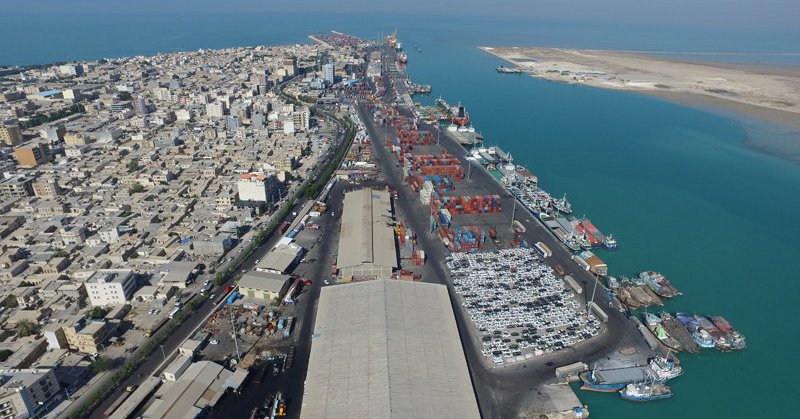
The fragile memorandum between Tehran and Washington is facing its biggest test yet after two days of US strikes on targets along Iran’s southern coast and Iranian attacks on commercial shipping near the Strait of Hormuz raised fears of a return to full-scale war.