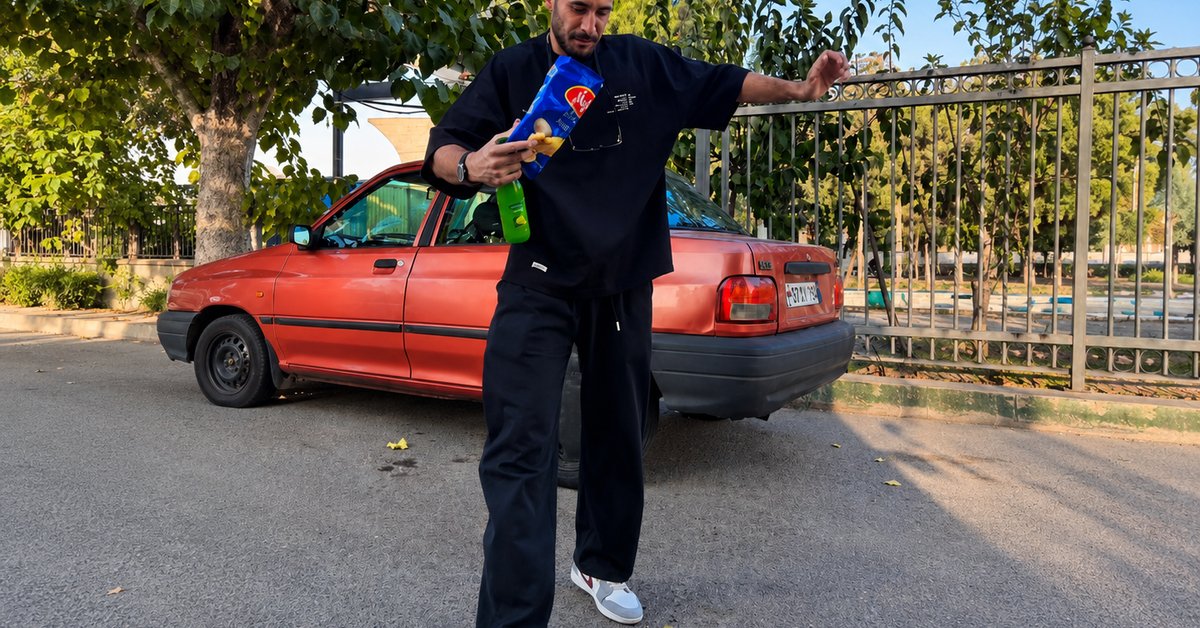
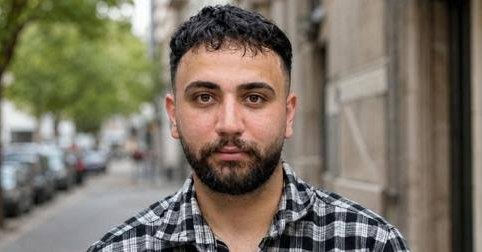
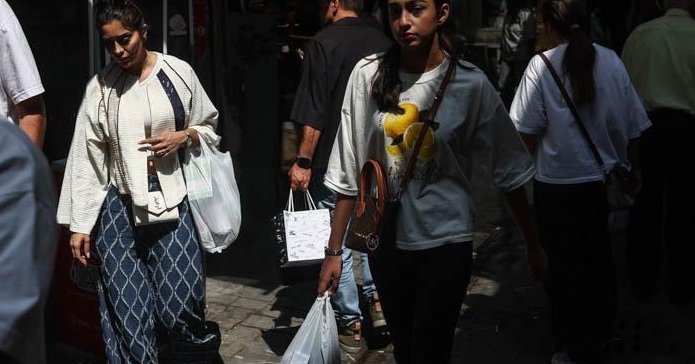
Iranians have found a way to complain about prices that no prosecutor can touch: they film themselves dancing beside the groceries, insist they are delighted, and explain that if they were not, they would be executed.
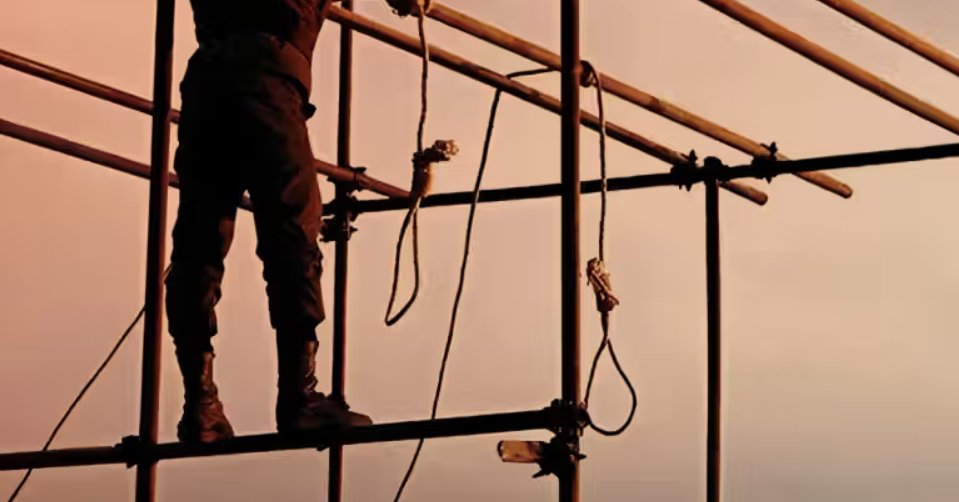
Alireza Sepahi, sentenced to death over Iran’s January uprising, faces execution again after being moved to solitary confinement, weeks after a medical emergency halted his first scheduled execution, an informed source told Iran International on Thursday.
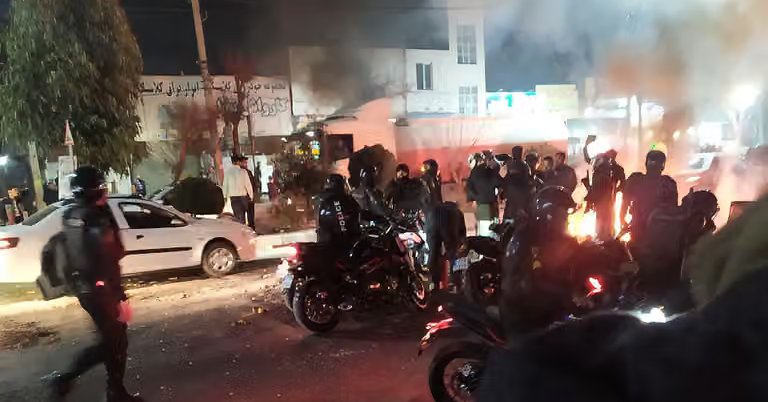
Iran’s economic crisis is deepening, and with few answers for a population becoming poorer, Tehran is signaling how it may respond if economic anger again spills into the streets: repression and lethal force.
Donald Trump’s question about when Iranians would rise against the Islamic Republic drew thousands of responses arguing that fear of renewed repression, doubts over US policy and insufficient outside support are holding back another uprising.
Iranian security forces killed a 31-year-old protester outside his family home two days after he was shot and wounded during demonstrations in Shahroud, northeastern Iran, several sources close to him told Iran International.
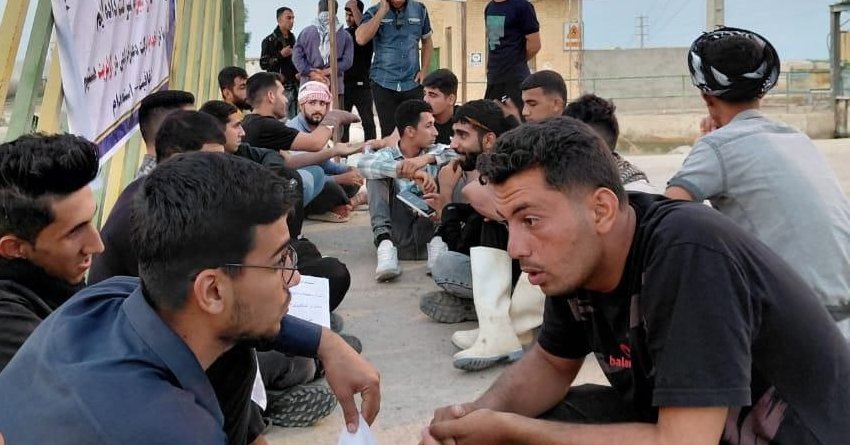
Iranian security forces on Monday used gunfire and beatings to disperse two protests by young jobseekers in southwestern Iran, as anger over unemployment and alleged discrimination in hiring spills into the streets.
Iranians pushed back against a senior government official questioning cheap gasoline, contrasting fuel subsidies with low wages and soaring living costs as the US dollar traded around a historic 2. 1 million rials on Monday.
A Revolutionary Court in Isfahan has sentenced 10 protesters to death and six others to prison terms of up to 25 years over the nationwide demonstrations in the central Iranian city, according to an activist-run Telegram news channel.
Hundreds protest Hindu nationalist paramilitary leader Mohan Bhagwat's visit to New York Submitted by Shraddha Joshi on Sun, 08/30/2026 - 13:28 Up to 5,000 people were present at a Madison Square Garden event honouring the chief of the RSS, described by critics as the 'world's largest fascist organisation' Protesters chant and rally against Mohan Bhagwat's arrival at Madison Square Garden (Instagram/@646onrecord) Off Activists rallied outside of Madison Square Garden in New York in protest of an event featuring Mohan Bhagwat, the chief of India's Hindu nationalist paramilitary organisation, the Rashtriya Swayamsevak Sangh (RSS). The “Universal Oneness” event, organised by American Hindus for Engagement and Dialogue, brought some 5,000 attendees from over 200 Hindu and Indian partner organisations across the country to receive the RSS leader in New York. Saturday’s protest was organised by a range of local New York and national organisations, including South Asian Left (SALAM), Indian American Muslim Council (IAMC), Hindus for Human Rights (HfHR) and Anti Imperialist South Asian Alliance Philadelphia (AISA Philly).
Balochistan [Pakistan], August 30 (ANI): Jamaat-i-Islami (JI) Balochistan held a protest sit-in near the Governor's House amid tight security, highlighting what it described as the worsening law-and-order situation, terrorism, rising petroleum prices and the continued closure of border crossings with Iran and Afghanistan, as reported by Dawn.
A Revolutionary Guards veteran who fought in Syria helped command a deadly crackdown on protesters in Shahriar near Tehran, as security forces used coordinated lethal tactics across Tehran province during nationwide protests in January, an Iran International investigation found.
New posts 12:51 IRGC Warns Against Possible New Protests In Iran The intelligence wing of Iran's Islamic Revolutionary Guards Corps (IRGC) issued a statement on August 27 warning of growing social discontent and the possibility of renewed street protests in Iran.
New posts 15:08 Trump: Iran Killing Protesters 'Even When They Are Not Protesting' US President Donald Trump said Iran's "failing" regime is killing protesters "even when they are not protesting" at an unprecedented rate.
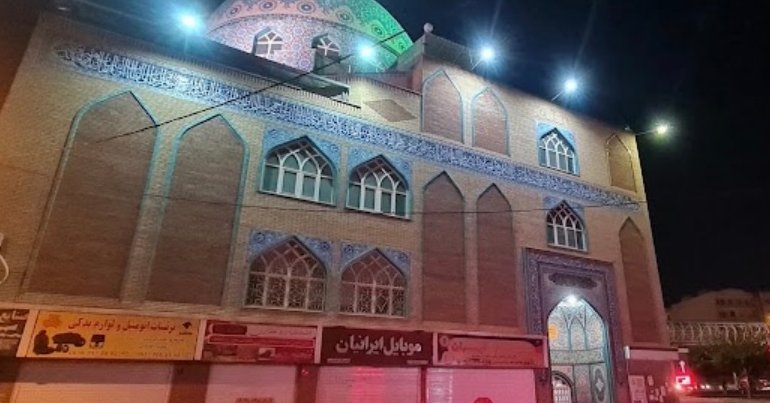
Iranian security forces used mosques across Tehran to deploy personnel, monitor protesters and support operations during the January crackdown, evidence obtained by Iran International shows.
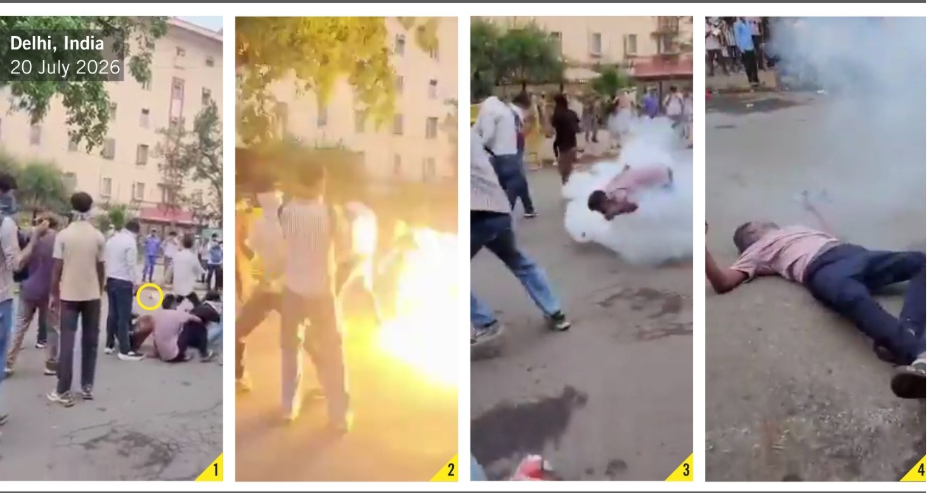
One month after Indian police deployed unlawful and deadly force against peaceful protesters at the Cockroach Janata Party (CJP)-led “Chalo Sansad” march, not a single officer in Delhi has been held accountable, Amnesty International said today as it published a new digital investigation documenting the police response to the protests. Witness testimony and video and […] The post India: New investigation documents unlawful and deadly force against CJP-led protests amid ongoing police impunity appeared first on Amnesty International .
Pro-Gaza flotilla arrives in Albania in support of 'Flamingo Revolution' Several Italian and Albanian pro-Palestinian activists Albania have arrived in Albania's Vlore in support of the “Flamingo Revolution” protest movement opposing a planned luxury resort linked to US president Donald Trump’s son-in-law Jared Kushner. They travelled from the Italian port of Brindisi to Vlore aboard several boats from the Global Sumud Flotilla, which were damaged and left adrift by the Israeli military during the flotilla's previous mission to Gaza, according to Reuters. Organisers have drawn parallels with Palestine and raised concerns over dispossession and environmental protection.
'He hates Palestine': West Ham urges fans to drop chant about Solomon's pro‑Israel stance Submitted by Elis Gjevori on Fri, 08/21/2026 - 11:58 The English football club condemned the chant about the Israeli player and former soldier as having an 'anti-Palestine message' Manor Solomon, then playing for Tottenham, takes a rest during a training session at Allianz Stadium in Sydney on 31 July 2026, ahead of a pre-season friendly against Chelsea (Saeed Khan/AFP) Off West Ham United have urged supporters to stop singing a chant about Manor Solomon, a former Israeli soldier turned footballer. Solomon joined the English club from Tottenham Hotspur in August. Since then, sections of West Ham’s supporters have sung: “Manor Solomon’s on my mind and he hates Palestine .
A 19-year-old British man pleaded guilty Friday to an arson offence over an April attack on offices linked to Iran International in northwest London, while a teenage co-defendant denied the more serious charge of arson being reckless as to whether life was endangered.
Thirty "pioneer families" have arrived on a wave of nationalism driven by Israel's government, but the rapid change has left nearby Palestinian residents fearful.
Palestine groups call for London march against British 'complicity' in Gaza genocide Submitted by MEE staff on Thu, 08/20/2026 - 10:41 National march will urge UK to secure an end to Israeli attacks and unrestricted humanitarian access to Gaza Mourners at the funeral of Palestinians killed in an Israeli army strike on Gaza City's port the previous day, in Gaza City on 19 August 2026 (Omar al-Qattaa/AFP) Off Palestine solidarity groups in the UK have called for a national march in London to mark three years of Israel’s genocide in Gaza and demand an end to what they denounce as British complicity. The demonstration will take place on 10 October, three days after the anniversary of Israel’s war on Gaza, according to a joint statement published on Wednesday. The organisers include the Palestine Solidarity Campaign, Palestinian Forum in Britain, Stop the War Coalition, Campaign for Nuclear Disarmament, Friends of Al-Aqsa and the Muslim Association of Britain.